Forests are often referred to as the lungs of our planet, and for good reason. They play a crucial role in maintaining ecological balance, providing oxygen, and absorbing carbon dioxide. As you walk through a forest, you may notice the diverse array of flora and fauna that thrive in this unique ecosystem.
Each tree, plant, and animal contributes to a complex web of life that supports not only the environment but also human existence. Forests are vital for regulating climate, preserving water cycles, and preventing soil erosion. They serve as habitats for countless species, many of which are yet to be discovered.
Moreover, forests offer a wealth of resources that are essential for human survival. They provide timber for construction, fuel for energy, and raw materials for various industries. Beyond their economic value, forests also hold cultural significance for many communities around the world.
They are places of recreation, spiritual connection, and historical importance. As you consider the multifaceted benefits that forests provide, it becomes clear that their preservation is not just an environmental issue but a fundamental aspect of human well-being.
Key Takeaways
- Forests are crucial for maintaining biodiversity, regulating climate, and providing essential resources for human survival.
- Deforestation leads to loss of habitat, soil erosion, and contributes to climate change, impacting both the environment and human communities.
- Reforestation strategies include natural regeneration, afforestation, and agroforestry, aiming to restore and rebuild forest ecosystems.
- Science plays a key role in reforestation through research, technology, and innovation to enhance the success and sustainability of forest restoration efforts.
- Sustainable forest design involves careful planning, species selection, and management practices to create resilient and diverse ecosystems for the future.
The Impact of Deforestation
Deforestation poses a significant threat to the health of our planet. As you delve into this issue, you may find it alarming to learn that millions of acres of forest are lost each year due to logging, agriculture, and urban development. This loss not only contributes to climate change by releasing stored carbon dioxide but also disrupts the delicate balance of ecosystems.
When trees are removed, the soil becomes more susceptible to erosion, leading to decreased fertility and increased sedimentation in waterways. This can have dire consequences for both aquatic life and the communities that rely on these water sources. The social implications of deforestation are equally concerning.
Many indigenous communities depend on forests for their livelihoods, culture, and identity. When these forests are destroyed, they face displacement and loss of resources. As you reflect on these impacts, it becomes evident that deforestation is not merely an environmental crisis; it is a humanitarian issue that affects millions of people worldwide.
The urgency to address deforestation cannot be overstated, as its repercussions extend far beyond the loss of trees.
Strategies for Rebuilding Forests
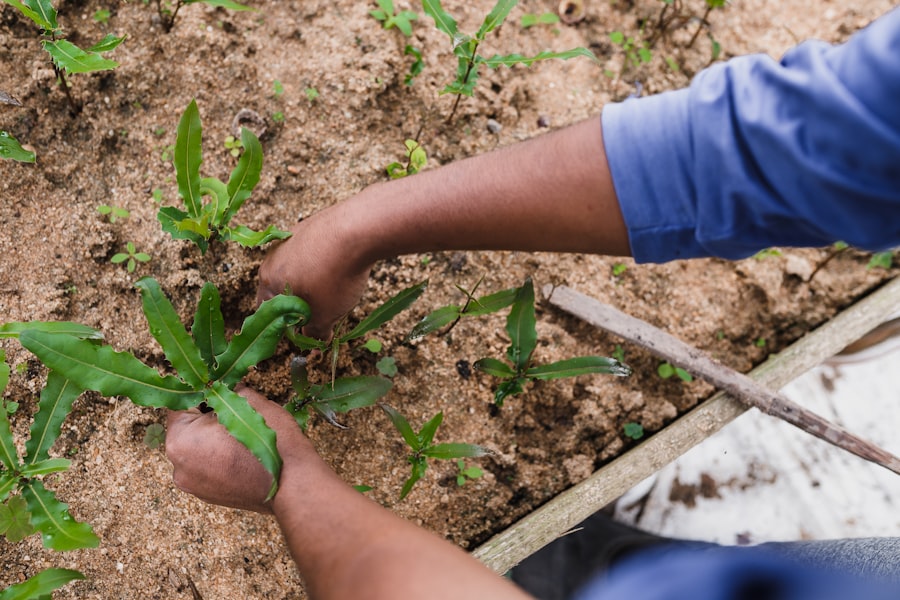
Rebuilding forests is a complex yet essential endeavor that requires a multifaceted approach. One effective strategy is afforestation, which involves planting trees in areas that were previously devoid of forest cover. This not only helps restore ecosystems but also enhances biodiversity by creating new habitats for various species.
As you explore this topic further, you may discover that reforestation efforts can also include natural regeneration, where existing vegetation is allowed to recover without human intervention. This method often proves to be more cost-effective and sustainable in the long run. Another critical strategy is the implementation of agroforestry practices, which integrate trees into agricultural landscapes.
By combining agriculture with forestry, you can create a more resilient ecosystem that benefits both farmers and the environment. This approach not only improves soil health and increases crop yields but also provides additional income sources through timber and non-timber forest products. As you consider these strategies, it becomes clear that rebuilding forests requires collaboration among governments, NGOs, and local communities to ensure long-term success.
The Role of Science in Reforestation
Science plays a pivotal role in the success of reforestation initiatives. As you delve into this field, you may find that researchers are constantly exploring innovative techniques to enhance tree growth and survival rates. For instance, genetic studies can identify tree species that are more resilient to climate change or pests, ensuring that reforestation efforts are better equipped to withstand future challenges.
Additionally, advancements in remote sensing technology allow scientists to monitor forest health and track changes over time, providing valuable data for decision-making. Moreover, scientific research can inform best practices for planting and maintaining forests. Understanding the specific needs of different tree species—such as soil type, moisture levels, and sunlight requirements—can significantly improve reforestation outcomes.
As you engage with this topic, you may come to appreciate the intricate relationship between science and nature in fostering healthy forests. By leveraging scientific knowledge, we can develop more effective strategies for restoring ecosystems and mitigating the impacts of climate change.
The Art of Reforestation: Designing Sustainable Forests
Designing sustainable forests is both an art and a science. As you explore this concept, you may realize that successful reforestation goes beyond simply planting trees; it involves creating a diverse and resilient ecosystem that can thrive over time. This requires careful planning and consideration of various factors such as local climate conditions, soil types, and existing wildlife populations.
By selecting a mix of native tree species, you can promote biodiversity and ensure that the forest can adapt to changing environmental conditions. In addition to biodiversity, the design of sustainable forests should also take into account human needs and land use practices. As you think about this aspect, consider how incorporating recreational spaces or educational programs can foster community engagement and appreciation for the forest.
By creating spaces that serve multiple purposes—such as timber production, wildlife habitat, and recreational areas—you can enhance the overall value of the forest while promoting sustainable practices.
Community Involvement in Reforestation Efforts

Community involvement is crucial for the success of reforestation efforts. As you reflect on this idea, consider how local communities often possess invaluable knowledge about their environment and its history. Engaging them in the planning and implementation stages can lead to more effective and culturally relevant solutions.
When communities feel a sense of ownership over reforestation projects, they are more likely to invest time and resources into their success. Furthermore, education plays a vital role in fostering community involvement. By raising awareness about the importance of forests and the threats they face, you can inspire individuals to take action in their own lives.
Workshops, volunteer planting days, and school programs can all contribute to building a culture of stewardship within communities. As you contemplate these initiatives, it becomes clear that empowering local populations is essential for creating lasting change in forest conservation.
Monitoring and Maintaining Rebuilt Forests
Once reforestation efforts have been initiated, ongoing monitoring and maintenance are essential to ensure their success. As you consider this aspect, think about how regular assessments can help identify potential issues such as pest infestations or disease outbreaks before they become widespread problems. Implementing monitoring systems—whether through satellite imagery or on-the-ground surveys—can provide valuable insights into forest health and growth patterns.
Maintenance also involves managing competing vegetation that may hinder tree growth. As you explore this topic further, you may find that employing sustainable practices such as selective weeding or controlled burns can help maintain a healthy balance within the ecosystem. Additionally, fostering community involvement in monitoring efforts can create a sense of responsibility among local residents while providing them with hands-on experience in forest management.
The Future of Rebuilt Forests: Sustainability and Biodiversity
Looking ahead, the future of rebuilt forests hinges on our commitment to sustainability and biodiversity. As you ponder this vision, consider how restored forests can serve as vital carbon sinks in our fight against climate change while also providing habitats for diverse species. By prioritizing ecological integrity in reforestation efforts, we can create resilient ecosystems capable of adapting to future challenges.
Moreover, embracing innovative practices such as permaculture or regenerative agriculture can further enhance the sustainability of rebuilt forests. These approaches not only promote biodiversity but also improve soil health and water retention—key factors in creating thriving ecosystems. As you reflect on these possibilities, it becomes evident that the future of our planet depends on our ability to nurture and protect our forests for generations to come.
By working together—scientists, communities, policymakers—we can ensure that rebuilt forests flourish as vibrant ecosystems that benefit both people and nature alike.
In a related article on how trees can save the Earth from global warming, the importance of reforestation efforts in combating climate change is highlighted. The article discusses how trees act as carbon sinks, absorbing carbon dioxide from the atmosphere and helping to mitigate the effects of greenhouse gas emissions. This further emphasizes the crucial role that healthy forests play in maintaining a balanced ecosystem and preserving biodiversity, as discussed in “The Art and Science of Rebuilding Our Forests.”
FAQs
What is forest restoration?
Forest restoration is the process of actively managing and rebuilding forests that have been degraded, damaged, or destroyed. This can involve planting new trees, managing invasive species, and restoring natural habitats.
Why is forest restoration important?
Forest restoration is important for a variety of reasons, including mitigating climate change, preserving biodiversity, protecting watersheds, and providing economic and social benefits to communities that rely on forests.
What are some techniques used in forest restoration?
Some techniques used in forest restoration include tree planting, controlled burns, invasive species management, and habitat restoration for wildlife.
What are the benefits of forest restoration?
The benefits of forest restoration include carbon sequestration, improved water quality, enhanced wildlife habitat, and economic opportunities for local communities through sustainable forestry practices.
What are some challenges in forest restoration?
Challenges in forest restoration include limited resources, competing land uses, climate change impacts, and the need for long-term monitoring and maintenance of restored areas.