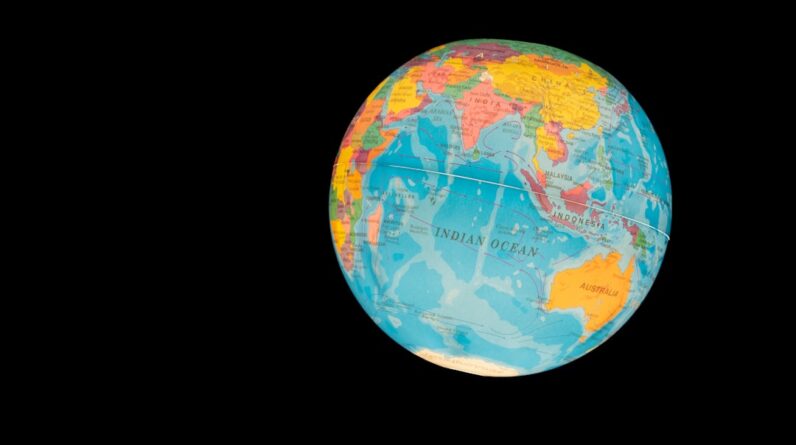
As you gaze out at the vast expanse of the ocean, it’s easy to be captivated by its beauty and mystery. However, beneath the shimmering surface lies a troubling reality. Our oceans, which cover more than 70% of the Earth’s surface, are facing unprecedented challenges.
Climate change, overfishing, and pollution are wreaking havoc on marine ecosystems, threatening the delicate balance of life that has existed for millennia. The current state of our oceans is a clarion call for action, urging you to recognize the urgency of the situation and the need for collective efforts to restore and protect these vital resources. The health of our oceans is intrinsically linked to the well-being of our planet and humanity itself.
They play a crucial role in regulating climate, providing oxygen, and supporting countless species. Yet, as you may have heard, plastic pollution has emerged as one of the most pressing issues facing marine environments today. Millions of tons of plastic enter the oceans each year, leading to devastating consequences for marine life and ecosystems.
Understanding the current state of our oceans is essential for you to appreciate the gravity of this crisis and the steps needed to forge a sustainable future.
Key Takeaways
- Our oceans are currently facing a crisis due to plastic pollution, threatening marine life and ecosystems.
- Plastic pollution has a devastating impact on marine life, leading to entanglement, ingestion, and habitat destruction.
- Oceans 2050 envisions a future with a plastic-free ocean, requiring global collaboration and innovative solutions.
- Strategies for achieving a plastic-free future include reducing single-use plastics, improving waste management, and promoting sustainable alternatives.
- Technology and innovation play a crucial role in addressing the plastic pollution crisis, from advanced recycling methods to ocean cleanup technologies.
The Impact of Plastic Pollution on Marine Life
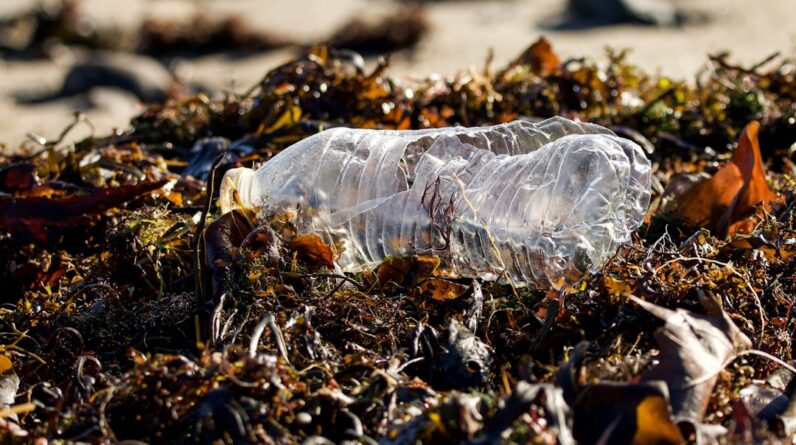
Plastic pollution is not just an eyesore; it poses a significant threat to marine life. As you explore the beaches or dive into the depths of the ocean, you may encounter plastic debris in various forms—bags, bottles, and microplastics. These materials can be ingested by marine animals, leading to injury or death.
Sea turtles mistake plastic bags for jellyfish, while seabirds often feed their chicks plastic fragments instead of nutritious food. The consequences are dire: many species are declining, and some are even facing extinction due to the pervasive presence of plastic in their habitats. Moreover, the impact of plastic pollution extends beyond individual animals.
It disrupts entire ecosystems, affecting food chains and biodiversity. When fish consume microplastics, these harmful substances can accumulate in their bodies and eventually make their way up the food chain, impacting larger predators—including humans. As you consider your own dietary choices, it becomes clear that plastic pollution is not just an environmental issue; it is a public health concern that demands your attention and action.
Oceans 2050: A Vision for a Plastic-Free Future
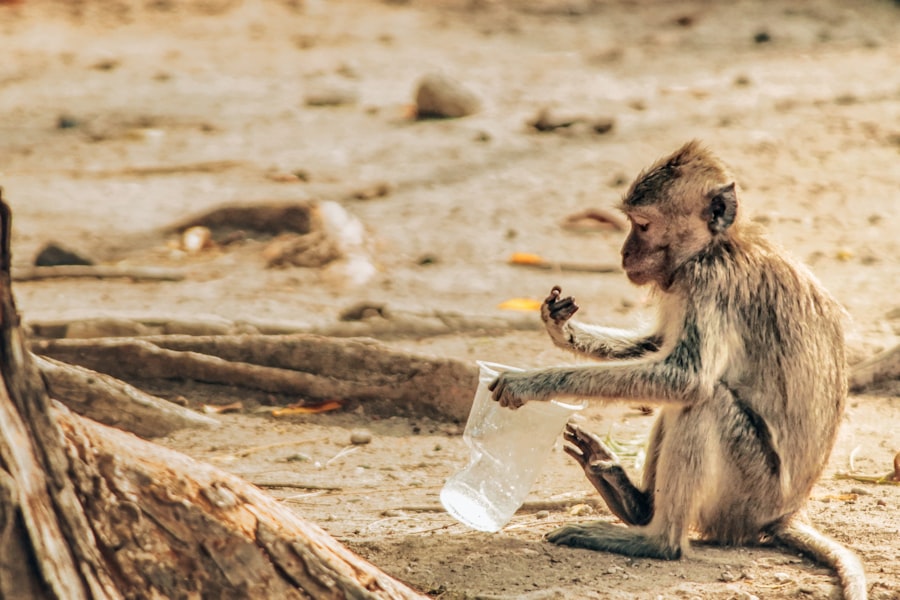
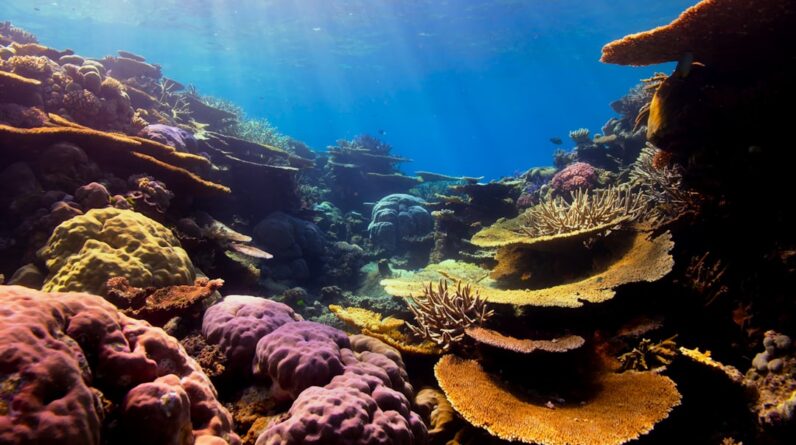
Imagine a world in 2050 where our oceans are free from plastic pollution—a vision that may seem distant but is entirely achievable with concerted effort. In this future, marine ecosystems thrive, teeming with life and resilience. Coral reefs are vibrant and healthy, supporting diverse marine species.
Fish populations are abundant, providing sustainable sources of food for communities around the globe. This vision is not merely a dream; it is a possibility that requires your commitment to change. To realize this vision, we must collectively embrace innovative solutions and sustainable practices that prioritize the health of our oceans.
This includes reducing plastic production, promoting biodegradable alternatives, and implementing effective waste management systems. As you envision this future, consider how your choices today can contribute to a cleaner ocean tomorrow. By advocating for policies that protect marine environments and supporting organizations dedicated to ocean conservation, you can play a pivotal role in shaping a plastic-free future.
Strategies for Achieving a Plastic-Free Future
Achieving a plastic-free future requires a multifaceted approach that involves individuals, communities, businesses, and governments working together towards common goals. One effective strategy is to reduce single-use plastics by promoting reusable alternatives. As you make conscious choices in your daily life—such as carrying reusable bags or using stainless steel water bottles—you contribute to a cultural shift that prioritizes sustainability over convenience.
Another critical strategy is enhancing recycling systems and infrastructure. Many communities struggle with inadequate recycling facilities, leading to increased plastic waste in landfills and oceans. By advocating for improved recycling programs and supporting initiatives that promote circular economies, you can help ensure that plastics are repurposed rather than discarded carelessly.
Additionally, engaging in local clean-up efforts can have an immediate impact on your environment while fostering a sense of community responsibility.
The Role of Technology and Innovation in Solving the Plastic Pollution Crisis
In the quest for a plastic-free future, technology and innovation play pivotal roles in addressing the challenges posed by plastic pollution. As you explore advancements in materials science, you may discover exciting developments such as biodegradable plastics made from natural sources or innovative packaging solutions designed to minimize waste. These technologies offer promising alternatives that can significantly reduce our reliance on traditional plastics.
Moreover, technological innovations in waste management are transforming how we handle plastic waste. From advanced recycling techniques that break down plastics into reusable materials to AI-driven systems that optimize waste collection processes, these advancements can enhance efficiency and effectiveness in tackling plastic pollution. By staying informed about these innovations and supporting their implementation in your community, you can contribute to a more sustainable future.
Collaboration and Partnerships: Working Towards a Common Goal
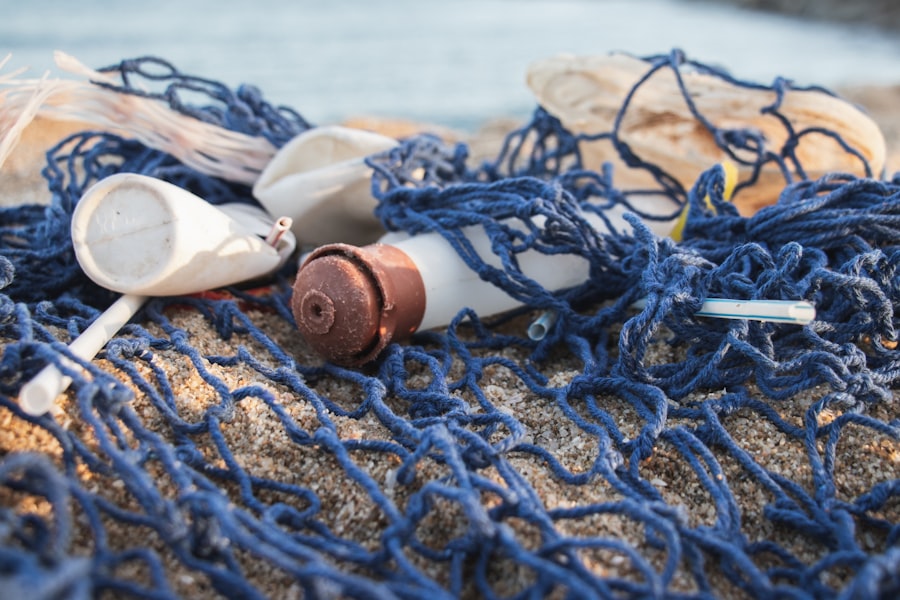
The fight against plastic pollution cannot be won in isolation; it requires collaboration across sectors and borders. Governments, non-profit organizations, businesses, and individuals must unite under a shared vision of protecting our oceans. As you engage with local initiatives or global movements focused on ocean conservation, you become part of a larger network dedicated to creating meaningful change.
Partnerships between businesses and environmental organizations can lead to innovative solutions that benefit both the economy and the environment. For instance, companies can invest in sustainable practices while supporting initiatives aimed at cleaning up ocean pollution. By fostering these collaborations and encouraging dialogue among stakeholders, you can help create a powerful coalition committed to achieving a plastic-free future.
The Importance of Education and Awareness in Creating a Sustainable Future
Education is a cornerstone of creating lasting change in how we interact with our oceans. As you learn more about the impact of plastic pollution on marine life and ecosystems, you become empowered to make informed choices that reflect your values. Raising awareness within your community about the importance of ocean conservation can inspire others to take action as well.
Schools play a vital role in fostering environmental stewardship among young people. By integrating ocean literacy into curricula and encouraging hands-on experiences such as beach clean-ups or marine biology studies, educators can instill a sense of responsibility for protecting our oceans in future generations. As you engage with educational initiatives or share information on social media platforms, you contribute to building a culture of awareness that prioritizes sustainability.
Taking Action for a Cleaner and Healthier Ocean
As you reflect on the current state of our oceans and the challenges posed by plastic pollution, it becomes clear that action is imperative. The vision of a plastic-free future is within reach if you commit to making conscious choices today. Whether through reducing your plastic consumption, advocating for policy changes, or supporting innovative solutions, every action counts.
The health of our oceans is not just an environmental issue; it is intertwined with our own well-being and that of future generations. By taking action now—whether big or small—you contribute to a cleaner and healthier ocean for all living beings on this planet. Together, we can turn the tide against plastic pollution and ensure that our oceans remain vibrant ecosystems for generations to come.
In a related article, How Does Reforestation Help the Environment?, the importance of planting trees in combating climate change and restoring ecosystems is discussed. Just as Oceans 2050 envisions a plastic-free future for our oceans, reforestation efforts play a crucial role in creating a healthier environment for all living beings. By planting trees, we can help absorb carbon dioxide, reduce greenhouse gas emissions, and promote biodiversity. Both initiatives highlight the urgent need for sustainable practices to protect our planet for future generations.
FAQs
What is Oceans 2050: A Bold Vision for a Plastic-Free Future?
Oceans 2050 is a global initiative aimed at achieving a plastic-free future for the world’s oceans by the year 2050. It involves a comprehensive strategy to reduce, reuse, and recycle plastic waste to prevent it from entering the marine environment.
What are the goals of Oceans 2050?
The primary goal of Oceans 2050 is to eliminate plastic pollution in the world’s oceans by 2050. This involves implementing sustainable waste management practices, promoting the use of alternative materials, and raising awareness about the impact of plastic pollution on marine ecosystems.
How does Oceans 2050 plan to achieve a plastic-free future?
Oceans 2050 aims to achieve a plastic-free future through a combination of policy changes, technological innovations, and public engagement. This includes advocating for legislation to reduce single-use plastics, investing in new recycling technologies, and educating the public about the importance of reducing plastic consumption.
What are the potential benefits of a plastic-free future for the oceans?
A plastic-free future for the oceans would have numerous benefits, including the preservation of marine ecosystems, the protection of marine wildlife, and the safeguarding of human health. It would also contribute to the sustainability of fisheries and the overall health of the oceans.
How can individuals contribute to Oceans 2050’s vision?
Individuals can contribute to Oceans 2050’s vision by reducing their use of single-use plastics, properly disposing of plastic waste, supporting businesses that prioritize sustainability, and advocating for policies that promote plastic-free alternatives. Small changes in daily habits can have a significant impact on reducing plastic pollution in the oceans.