In recent years, virtual reality (VR) has emerged as a groundbreaking technology that transforms how we experience and interact with the world around us. By immersing users in lifelike environments, VR has the potential to educate, entertain, and inspire. One of the most pressing issues facing our planet today is the health of our oceans, particularly concerning oxygen levels.
The oceans are not only a source of beauty and wonder but also play a crucial role in sustaining life on Earth. Understanding the relationship between virtual reality and ocean oxygen can open new avenues for education and conservation efforts. As you delve into the world of virtual reality, you may find yourself captivated by its ability to transport you to underwater realms teeming with life.
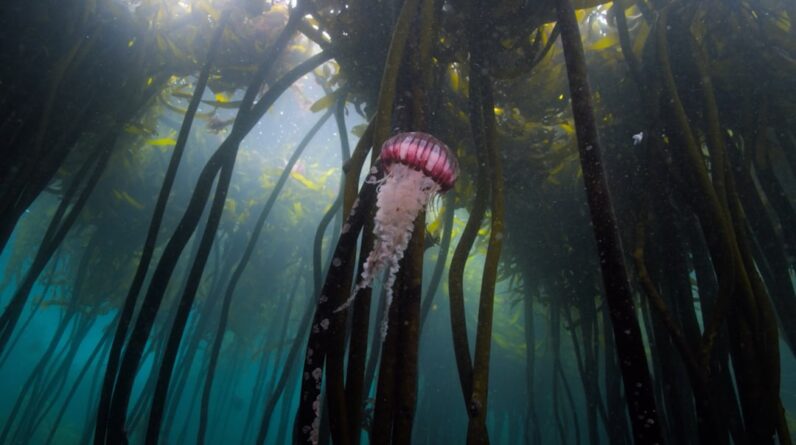
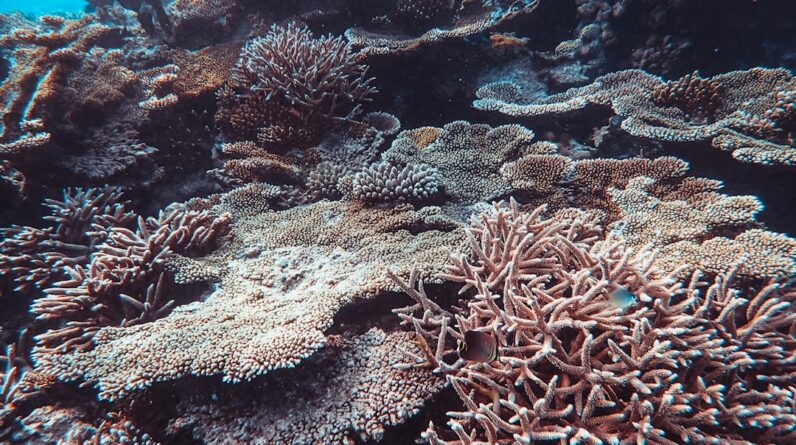
Imagine swimming alongside vibrant coral reefs or observing majestic marine creatures in their natural habitats. These experiences can foster a deeper appreciation for the oceans and highlight the importance of maintaining healthy oxygen levels. By leveraging VR technology, we can create immersive experiences that not only entertain but also educate you about the critical role of ocean oxygen in sustaining marine ecosystems.
Key Takeaways
- Virtual reality (VR) technology offers immersive educational experiences that can be utilized to raise awareness about ocean oxygen depletion.
- Ocean oxygen is crucial for marine life, and its depletion can have detrimental effects on ecosystems and biodiversity.
- Human activities such as pollution and climate change are major contributors to the decline in ocean oxygen levels.
- VR simulations can effectively depict the impact of human activities on ocean oxygen levels, fostering a deeper understanding of environmental issues.
- VR has the potential to inspire conservation efforts and shape the future of ocean conservation by enhancing environmental awareness and promoting proactive measures.
The Importance of Ocean Oxygen for Marine Life
Oxygen is essential for all forms of life, and the oceans are no exception. Marine organisms, from the tiniest plankton to the largest whales, rely on dissolved oxygen in seawater to survive. This oxygen is produced primarily through photosynthesis by phytoplankton, which are microscopic plants that float on the ocean’s surface.
As you explore the underwater world through virtual reality, you may witness these tiny organisms at work, converting sunlight into energy and releasing oxygen as a byproduct. This process is vital for maintaining the balance of marine ecosystems and supporting diverse life forms. The significance of ocean oxygen extends beyond individual species; it is a cornerstone of the entire marine food web.
Healthy oxygen levels support the growth of phytoplankton, which in turn sustains larger organisms such as fish, crustaceans, and marine mammals. When you immerse yourself in a VR simulation of a thriving coral reef, you can observe how interconnected these ecosystems are. The decline in oxygen levels can lead to dead zones where marine life struggles to survive, ultimately disrupting the delicate balance that sustains ocean health.
The Impact of Human Activities on Ocean Oxygen Levels

Unfortunately, human activities have significantly impacted ocean oxygen levels, leading to alarming consequences for marine life. Pollution, climate change, and overfishing are just a few factors contributing to this decline. As you navigate through virtual reality experiences that depict these challenges, you may gain insight into how industrial runoff introduces excess nutrients into the water, resulting in harmful algal blooms.
These blooms consume vast amounts of oxygen as they decompose, creating hypoxic conditions that can devastate marine habitats. Moreover, climate change exacerbates the situation by altering ocean temperatures and circulation patterns. Warmer waters hold less dissolved oxygen, further threatening marine ecosystems.
In your VR explorations, you might encounter scenarios illustrating how rising sea temperatures affect coral reefs and other vital habitats. By understanding these impacts through immersive experiences, you can better appreciate the urgency of addressing human-induced changes to our oceans.
Utilizing Virtual Reality for Immersive Educational Experiences
Virtual reality offers a unique platform for education, allowing you to engage with complex topics in an interactive and memorable way. By simulating real-world environments and scenarios, VR can enhance your understanding of ocean ecosystems and the importance of oxygen levels. Imagine donning a VR headset and diving into a vibrant underwater world where you can observe marine life up close while learning about their dependence on oxygen-rich waters.
Educational institutions and organizations are increasingly adopting VR technology to create engaging curricula focused on environmental science and conservation. Through these immersive experiences, you can explore various marine habitats, witness the effects of pollution firsthand, and understand the critical role of ocean oxygen in sustaining life. This hands-on approach not only makes learning more enjoyable but also fosters a sense of responsibility toward protecting our oceans.
Virtual Reality Simulations of Ocean Oxygen Depletion
One of the most powerful applications of virtual reality is its ability to simulate scenarios that illustrate the consequences of ocean oxygen depletion. As you step into these simulations, you may find yourself witnessing firsthand the stark realities faced by marine life in low-oxygen environments. These experiences can evoke empathy and understanding, allowing you to grasp the severity of the situation in ways that traditional educational methods may not achieve.
In these VR simulations, you might encounter scenes depicting once-thriving coral reefs now struggling to survive due to hypoxia. You could observe fish populations dwindling as their habitats become inhospitable. By immersing yourself in these scenarios, you gain a visceral understanding of how ocean oxygen depletion affects not only marine life but also human communities that rely on healthy oceans for their livelihoods.
This emotional connection can be a catalyst for change, motivating you to take action in support of ocean conservation efforts.
Enhancing Environmental Awareness through Virtual Reality

Increased Advocacy for Sustainable Practices
As you engage with VR content focused on ocean health and oxygen levels, you may find yourself more attuned to the challenges facing our oceans. This heightened awareness can lead to increased advocacy for sustainable practices and policies aimed at protecting marine ecosystems.
Powerful Tools for Outreach and Community Engagement
Moreover, VR experiences can serve as powerful tools for outreach and community engagement. Organizations dedicated to ocean conservation can utilize virtual reality to reach diverse audiences, from schoolchildren to policymakers. By showcasing the beauty and fragility of marine environments through immersive storytelling, they can inspire individuals to become stewards of the oceans.
Discovering New Ways to Contribute to Conservation Efforts
As you participate in these initiatives, you may discover new ways to contribute to conservation efforts in your own community.
The Potential of Virtual Reality in Inspiring Conservation Efforts
The potential of virtual reality extends beyond education; it can also inspire meaningful conservation efforts. As you explore immersive VR experiences that highlight the importance of ocean oxygen and its impact on marine life, you may feel compelled to take action. Whether it’s participating in beach cleanups, advocating for sustainable fishing practices, or supporting policies aimed at reducing pollution, your engagement with VR content can translate into real-world change.
Furthermore, virtual reality can facilitate collaboration among various stakeholders in conservation efforts. By providing a shared platform for scientists, educators, policymakers, and community members to experience the challenges facing our oceans together, VR can foster dialogue and inspire collective action. As you engage with others who share your passion for ocean conservation through these immersive experiences, you may find new opportunities for collaboration and innovation.
The Future of Virtual Reality in Ocean Conservation
As we look toward the future, the role of virtual reality in ocean conservation is poised to expand significantly. With advancements in technology and an increasing focus on environmental issues, VR has the potential to become an essential tool for education and advocacy. By immersing yourself in virtual experiences that highlight the importance of ocean oxygen and its impact on marine life, you can play a part in fostering greater awareness and understanding.
The journey toward healthier oceans requires collective action and commitment from individuals like you. By embracing virtual reality as a means of education and inspiration, you can contribute to a global movement aimed at protecting our oceans for future generations. As technology continues to evolve, so too will our ability to connect with and care for the natural world around us—ensuring that the beauty and vitality of our oceans endure for years to come.
Virtual Reality and Ocean Oxygen: Immersive Educational Experiences can be further enhanced by understanding the importance of tree planting in combating global warming. According to a related article on livelifewithacause.org, massive tree planting efforts can help restore balance to the world’s ecosystems and combat the effects of deforestation. By incorporating this knowledge into virtual reality experiences, users can gain a deeper understanding of the interconnectedness of environmental issues and the importance of taking action to protect our planet.
FAQs
What is virtual reality (VR)?
Virtual reality (VR) is a computer-generated simulation of an environment that can be interacted with in a seemingly real or physical way. It typically involves the use of a headset to immerse the user in a 3D environment.
How does virtual reality enhance educational experiences?
Virtual reality enhances educational experiences by providing immersive and interactive environments that can engage students in a way that traditional methods cannot. It allows for experiential learning and can help students better understand complex concepts.
What is the connection between virtual reality and ocean oxygen?
Virtual reality can be used to create educational experiences that simulate the effects of ocean oxygen levels on marine life. This can help students understand the impact of environmental changes on ecosystems.
How can virtual reality be used to teach about ocean oxygen levels?
Virtual reality can be used to create simulations of underwater environments where students can observe the effects of changing oxygen levels on marine organisms. This can help them understand the importance of maintaining healthy ocean ecosystems.
What are the benefits of using virtual reality for educational purposes?
The benefits of using virtual reality for educational purposes include increased engagement, improved retention of information, and the ability to provide hands-on learning experiences that would otherwise be difficult or impossible to access.