Traditional knowledge systems encompass the collective wisdom, practices, and beliefs that have been passed down through generations within various cultures. These systems are often deeply rooted in the local environment and reflect a profound understanding of the natural world. As you delve into the intricacies of traditional knowledge, you will discover that it is not merely a collection of old customs but a dynamic framework that informs sustainable practices and fosters a harmonious relationship with nature.
This knowledge is particularly relevant in the context of ocean conservation, where the health of marine ecosystems is increasingly threatened by human activities. In many indigenous cultures, traditional knowledge systems are integral to community identity and resilience. They provide a lens through which you can view the interconnectedness of all living things, emphasizing the importance of balance and respect for nature.
As you explore these systems, you will find that they offer valuable insights into managing resources sustainably, particularly in relation to ocean oxygen levels. Understanding these traditional practices can enhance contemporary conservation efforts and promote a more holistic approach to environmental stewardship.
Key Takeaways
- Traditional knowledge systems hold valuable insights into the relationship between indigenous communities and the ocean.
- Historical perspectives on ocean oxygen reveal the impact of human activities on marine ecosystems.
- Indigenous cultural views on ocean oxygen emphasize the interconnectedness of all living beings with the ocean.
- Traditional practices for maintaining ocean oxygen levels offer sustainable solutions for preserving marine environments.
- Modernization has led to the erosion of traditional knowledge systems, impacting efforts to conserve ocean oxygen levels.
Historical Perspectives on Ocean Oxygen
Natural Fluctuations in Ocean Oxygen Levels
Historically, ocean oxygen levels have fluctuated due to various factors, including geological events, climate changes, and biological activity.
Human Impact on Ocean Oxygen Levels
In recent centuries, human activities have significantly altered oceanic conditions, leading to concerns about declining oxygen levels in many regions. The rise of industrialization and increased carbon emissions have contributed to ocean acidification and hypoxia, creating dead zones where marine life struggles to survive.
The Urgency of Addressing Ocean Oxygen Challenges
By understanding the historical context of ocean oxygen levels, you can appreciate the urgency of addressing these challenges and recognize the importance of integrating traditional knowledge systems that have long understood the delicate balance of marine ecosystems.
Indigenous Cultural Views on Ocean Oxygen
Indigenous cultures around the world possess unique perspectives on ocean oxygen that reflect their deep connection to the sea. You may find it enlightening to explore how these cultures view the ocean not just as a resource but as a living entity deserving of respect and care. For many indigenous peoples, the health of the ocean is intricately linked to their cultural identity, spirituality, and way of life.
They often perceive changes in ocean oxygen levels as indicators of broader environmental shifts that can impact their communities. In these cultural frameworks, ocean oxygen is seen as vital for sustaining marine biodiversity and ensuring the well-being of future generations. You might be struck by how traditional stories, songs, and rituals often emphasize the importance of maintaining a healthy ocean ecosystem.
These narratives serve as reminders of the interconnectedness between humans and nature, urging you to consider your role in preserving this delicate balance. By embracing these indigenous cultural views, you can gain a deeper appreciation for the significance of ocean oxygen in sustaining life both above and below the water’s surface.
Traditional Practices for Maintaining Ocean Oxygen Levels
Traditional practices aimed at maintaining ocean oxygen levels are diverse and rooted in local ecological knowledge. As you explore these practices, you will discover that they often involve sustainable fishing techniques, habitat restoration, and community-based management strategies. Indigenous communities have long understood the importance of preserving marine environments to ensure healthy oxygen levels, employing methods that promote biodiversity and resilience.
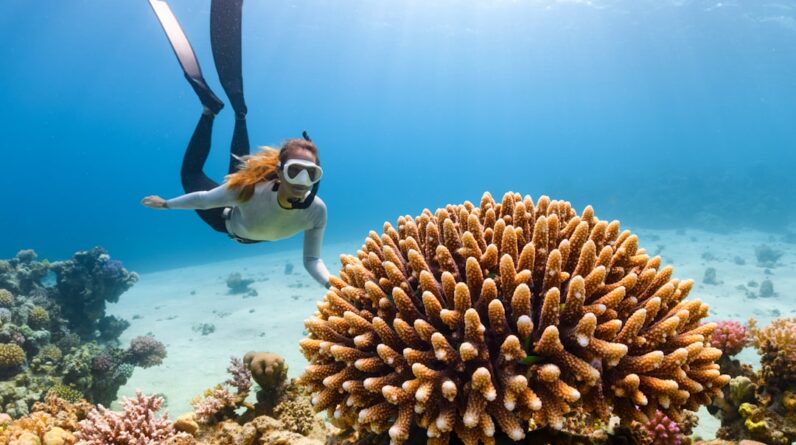
For instance, some coastal communities engage in rotational fishing practices that allow fish populations to recover while minimizing overfishing. You may also find that traditional ecological knowledge includes understanding seasonal patterns and migratory behaviors of marine species, which can inform sustainable harvesting practices. Additionally, many indigenous groups participate in habitat restoration efforts, such as replanting seagrasses or restoring coral reefs, which play a crucial role in oxygen production.
By learning about these traditional practices, you can appreciate how they contribute to maintaining healthy ocean ecosystems and fostering a sustainable relationship with marine resources.
Impact of Modernization on Traditional Knowledge Systems
The impact of modernization on traditional knowledge systems is profound and multifaceted. As you consider this topic, you may recognize that rapid technological advancements and globalization have led to significant changes in how communities interact with their environments. While modernization has brought about improvements in certain areas, it has also posed challenges to the preservation of traditional knowledge related to ocean conservation.
You might observe that younger generations are increasingly drawn to urban lifestyles and modern conveniences, leading to a disconnection from their cultural roots and traditional practices. This shift can result in the erosion of valuable ecological knowledge that has been cultivated over centuries. Furthermore, industrial activities such as commercial fishing and pollution often undermine traditional practices by degrading marine habitats and diminishing fish populations.
As you reflect on these changes, it becomes clear that finding ways to bridge the gap between modernity and traditional knowledge is essential for effective ocean conservation.
Collaborative Efforts to Integrate Traditional Knowledge with Scientific Research
In recent years, there has been a growing recognition of the value of integrating traditional knowledge with scientific research in addressing environmental challenges. You may find it inspiring to learn about collaborative efforts between indigenous communities and scientists aimed at enhancing ocean conservation strategies. These partnerships often involve sharing knowledge and expertise to develop more comprehensive approaches to managing marine resources.
For example, some research initiatives have sought to incorporate indigenous ecological knowledge into scientific studies on ocean health. By valuing both traditional wisdom and scientific data, these collaborations can lead to more effective conservation outcomes. You might also discover that such partnerships empower indigenous communities by validating their knowledge systems and providing them with a platform to advocate for their rights and interests in resource management decisions.
As you explore these collaborative efforts, you will see how they can foster mutual respect and understanding between different knowledge systems while promoting sustainable practices.
Importance of Preserving Traditional Knowledge for Ocean Conservation
Preserving traditional knowledge is crucial for effective ocean conservation efforts. As you delve into this topic, you will recognize that traditional knowledge systems offer invaluable insights into sustainable resource management and ecosystem health. By maintaining these practices, communities can continue to adapt to changing environmental conditions while ensuring the well-being of future generations.
Moreover, traditional knowledge often emphasizes holistic approaches that consider the interconnectedness of various ecological components. This perspective can complement scientific research by providing context-specific information about local ecosystems and cultural practices. You may find it compelling that preserving traditional knowledge not only benefits indigenous communities but also contributes to global efforts aimed at combating climate change and protecting marine biodiversity.
By advocating for the recognition and integration of traditional knowledge in conservation initiatives, you can play a role in fostering a more inclusive approach to environmental stewardship.
Future Prospects for Integrating Traditional Knowledge into Ocean Oxygen Management
Looking ahead, the integration of traditional knowledge into ocean oxygen management presents exciting opportunities for enhancing conservation efforts. As you consider future prospects, you may envision a world where indigenous wisdom is valued alongside scientific research in shaping policies and practices related to marine ecosystems. This collaborative approach could lead to more effective strategies for addressing issues such as hypoxia and habitat degradation.
You might also reflect on the potential for technology to facilitate this integration by providing platforms for sharing knowledge across communities and disciplines. For instance, digital storytelling or participatory mapping can help document traditional practices while making them accessible to broader audiences. As awareness grows about the importance of preserving traditional knowledge systems, there is hope for increased collaboration between indigenous communities, scientists, policymakers, and conservation organizations.
In conclusion, embracing traditional knowledge systems offers a pathway toward more sustainable ocean management practices that honor both cultural heritage and ecological integrity. By recognizing the value of these systems in maintaining ocean oxygen levels and promoting biodiversity, you can contribute to a more holistic approach to ocean conservation that benefits both people and the planet.
In a related article on how planting trees helps combat climate change, the importance of traditional knowledge systems in preserving our environment is highlighted. Just as Cultural Perspectives on Ocean Oxygen emphasizes the significance of indigenous wisdom in understanding and protecting our oceans, this article underscores the value of incorporating traditional practices into modern conservation efforts. By recognizing and respecting the knowledge passed down through generations, we can work towards a more sustainable future for our planet. For more insightful articles on environmental conservation and living with purpose, visit Live Life with a Cause.
FAQs
What are traditional knowledge systems?
Traditional knowledge systems refer to the knowledge, practices, and beliefs that have been developed and passed down through generations within a particular culture or community. These systems often encompass a wide range of topics, including natural resources, environmental management, and traditional ecological knowledge.
How do traditional knowledge systems relate to ocean oxygen levels?
Traditional knowledge systems often include observations and understandings of the natural world, including the ocean and its ecosystems. In some cultures, there may be traditional knowledge related to changes in ocean oxygen levels, the impact on marine life, and potential adaptations or responses.
What insights can traditional knowledge systems provide about ocean oxygen levels?
Traditional knowledge systems can offer valuable insights into historical trends and changes in ocean oxygen levels, as well as the impacts on marine biodiversity and traditional livelihoods. This knowledge can complement scientific research and provide a more holistic understanding of ocean oxygen dynamics.
How can traditional knowledge systems contribute to ocean oxygen research and conservation?
Incorporating traditional knowledge systems into ocean oxygen research and conservation efforts can enhance the understanding of local ecological dynamics and inform sustainable management practices. By integrating traditional knowledge with scientific data, more effective strategies for preserving ocean oxygen levels and marine ecosystems can be developed.