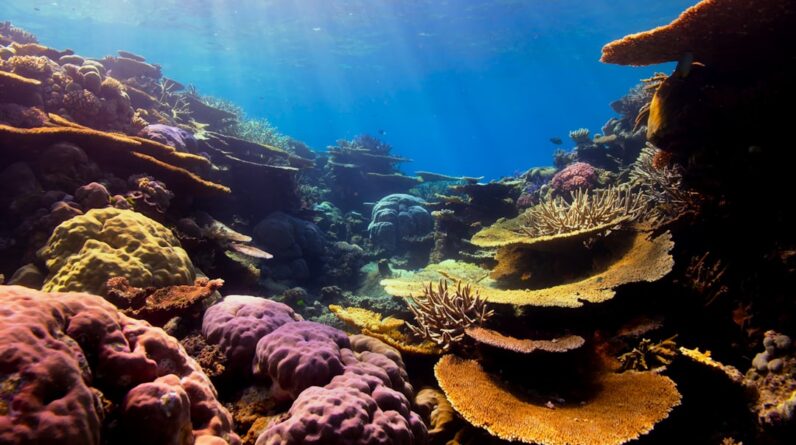
Abandoned fishing gear, often referred to as “ghost gear,” poses a significant threat to marine life. When fishing nets, lines, and traps are left in the ocean, they continue to ensnare and kill countless marine animals. You may not realize it, but these abandoned materials can drift for years, creating a deadly environment for fish, sea turtles, and even marine mammals.
As these creatures become entangled, they struggle to free themselves, often leading to injury or death. The impact is not limited to individual animals; entire populations can be affected, disrupting the delicate balance of marine ecosystems. Moreover, ghost gear can also lead to the degradation of habitats.
For instance, lost nets can smother coral reefs and other vital underwater structures, inhibiting their growth and recovery. As you consider the broader implications, it becomes clear that the consequences of ghost gear extend beyond immediate harm to individual species. The long-term effects can ripple through food chains and ecosystems, ultimately affecting human communities that rely on healthy oceans for their livelihoods.
The loss of biodiversity and the decline of fish stocks due to ghost gear can have profound implications for marine health and sustainability.
Key Takeaways
- Abandoned fishing gear, also known as ghost gear, poses a significant threat to marine life, causing entanglement, injury, and death to a wide range of species.
- Ghost gear contributes to environmental degradation, impacting marine habitats and ecosystems, and leading to a decline in fish stocks and biodiversity.
- The economic cost of abandoned fishing gear is substantial, including lost revenue for fisheries, increased expenses for clean-up efforts, and damage to coastal communities and industries.
- Various initiatives and organizations are working to clean up ghost gear, including the development of retrieval and recycling programs, as well as the implementation of regulations and policies to prevent gear abandonment.
- Innovative solutions such as biodegradable fishing gear, GPS tracking systems, and gear retrieval technologies are being explored to prevent the abandonment of fishing gear and minimize its impact on marine life.
The Environmental Consequences of Ghost Gear
The environmental consequences of ghost gear are far-reaching and multifaceted. When you think about the ocean’s health, it’s essential to recognize that abandoned fishing gear contributes to pollution in various forms. Not only does it physically harm marine life, but it also introduces toxic substances into the water.
Many fishing materials are made from plastics that can break down into microplastics over time. These microplastics can be ingested by smaller marine organisms, entering the food chain and ultimately affecting larger species, including humans. In addition to chemical pollution, ghost gear can also lead to habitat destruction.
As you explore the ocean floor, you might find that lost nets and traps can accumulate debris and sediment, smothering vital habitats like seagrass beds and coral reefs. This destruction not only affects the organisms that inhabit these areas but also diminishes the ocean’s ability to sequester carbon, exacerbating climate change. The loss of these critical habitats can lead to a decline in fish populations and other marine life, further destabilizing ecosystems that are already under threat from overfishing and climate change.
The Economic Toll of Abandoned Fishing Gear

The economic toll of abandoned fishing gear is another critical aspect that cannot be overlooked. As you consider the fishing industry, it’s important to recognize that ghost gear can lead to significant financial losses for fishermen. When gear is lost or abandoned, it not only represents a loss of investment but also reduces the overall catch potential in those areas.
This can create a cycle of economic hardship for local fishing communities that depend on sustainable practices for their livelihoods. Furthermore, the costs associated with cleaning up ghost gear can be substantial. Governments and organizations often allocate resources to remove abandoned gear from the ocean, which diverts funds from other essential conservation efforts.
As you reflect on this issue, it becomes evident that the economic implications extend beyond individual fishermen; entire communities can suffer when ghost gear disrupts local fisheries and tourism industries. The need for sustainable practices and effective management strategies is more pressing than ever as we navigate these economic challenges.
Efforts to Clean Up Ghost Gear
Efforts to clean up ghost gear have gained momentum in recent years as awareness of the issue has grown. Various organizations and initiatives are working tirelessly to remove abandoned fishing gear from our oceans. You may have heard about community-led beach cleanups or specialized teams that dive into the depths to retrieve lost nets and traps.
These efforts not only help restore marine environments but also raise awareness about the importance of responsible fishing practices. In addition to grassroots initiatives, some governments are implementing policies aimed at reducing ghost gear. For instance, regulations may require fishermen to report lost gear or participate in recovery programs.
These measures encourage accountability within the fishing community and promote a culture of stewardship for marine resources. As you consider these efforts, it’s clear that collaboration between governments, NGOs, and local communities is essential for effective cleanup operations and long-term solutions.
Innovative Solutions to Prevent Abandoned Fishing Gear
Innovative solutions are emerging to prevent abandoned fishing gear from becoming a persistent problem in our oceans. One approach involves designing more sustainable fishing gear that minimizes the risk of abandonment. For example, biodegradable nets made from natural materials are being developed to reduce the environmental impact if they are lost at sea.
As you explore these advancements, you’ll find that they hold promise for creating a more sustainable fishing industry. Another innovative solution involves improving tracking technology for fishing gear. By equipping nets and traps with GPS devices or other tracking systems, fishermen can monitor their equipment more effectively and reduce the likelihood of losing it.
This technology not only helps prevent abandonment but also enhances overall efficiency in fishing operations. As you consider these innovations, it’s clear that embracing new technologies and sustainable practices is crucial for addressing the issue of ghost gear.
The Role of Technology in Addressing Ghost Gear

Technology plays a pivotal role in addressing the challenges posed by ghost gear in our oceans. You may be surprised to learn about the advancements in remote sensing and satellite imagery that allow researchers to monitor fishing activities more effectively. By analyzing data on fishing patterns and gear usage, scientists can identify areas where ghost gear is likely to accumulate and target cleanup efforts accordingly.
Moreover, advancements in underwater robotics are revolutionizing how we approach ghost gear recovery. Autonomous underwater vehicles (AUVs) equipped with cameras and sensors can navigate complex underwater environments to locate and retrieve abandoned gear. As you think about the potential of these technologies, it’s evident that they offer new avenues for tackling the ghost gear problem while minimizing human impact on marine ecosystems.
The Importance of Global Collaboration in Tackling Ghost Gear
Tackling the issue of ghost gear requires global collaboration among nations, organizations, and communities. You may recognize that our oceans are interconnected ecosystems that transcend national boundaries; therefore, addressing ghost gear necessitates a unified approach. International agreements and partnerships are essential for sharing knowledge, resources, and best practices in combating this pressing issue.
Organizations such as the United Nations have initiated global campaigns aimed at reducing marine litter, including ghost gear. These initiatives encourage countries to work together in developing policies that promote sustainable fishing practices and responsible waste management. As you consider the importance of collaboration, it’s clear that collective action is vital for creating lasting change in our oceans.
How Individuals Can Help Combat the Issue of Abandoned Fishing Gear
As an individual, you have the power to make a difference in combating the issue of abandoned fishing gear. One way you can contribute is by participating in local beach cleanups or organizing community events focused on removing debris from coastal areas. Your involvement not only helps clean up our oceans but also raises awareness among your peers about the importance of responsible waste disposal.
Additionally, you can advocate for sustainable fishing practices by supporting local fisheries that prioritize environmental stewardship. By choosing seafood sourced from responsible operations, you contribute to a market demand for sustainable practices that reduce the likelihood of ghost gear being abandoned in our oceans. As you reflect on your role in this issue, remember that every small action counts toward creating a healthier marine environment for future generations.
In conclusion, addressing the problem of abandoned fishing gear requires a multifaceted approach involving awareness, innovation, collaboration, and individual action. By understanding the impact of ghost gear on marine life and ecosystems, recognizing its economic toll, and supporting cleanup efforts and innovative solutions, you can play an active role in preserving our oceans for years to come. Together, we can combat this pressing issue and ensure a sustainable future for our marine environments.
In a related article on combating global warming, Combatting Global Warming by Massive Tree Planting, the importance of planting trees as a solution to climate change is discussed. Just as addressing the issue of abandoned fishing gear in the ocean is crucial to protecting marine life, planting trees can help mitigate the effects of global warming and preserve our planet for future generations. Both articles highlight the urgent need for environmental conservation efforts to address the threats facing our planet.
FAQs
What is abandoned fishing gear?
Abandoned fishing gear, also known as ghost gear, refers to any equipment used in the fishing industry that has been discarded, lost, or abandoned in the ocean. This can include nets, lines, traps, and other gear.
What are the environmental impacts of abandoned fishing gear?
Abandoned fishing gear poses a significant threat to marine life and the health of the ocean. It can entangle and trap marine animals, leading to injury, suffocation, and death. Additionally, ghost gear can damage sensitive habitats such as coral reefs and seagrass beds.
How does abandoned fishing gear affect marine ecosystems?
Abandoned fishing gear can have long-lasting impacts on marine ecosystems. It can alter food webs, disrupt natural behaviors of marine animals, and contribute to the overall decline of marine biodiversity.
What are the efforts to address the issue of abandoned fishing gear?
Several initiatives and organizations are working to address the issue of abandoned fishing gear. This includes the development of technologies to track and retrieve lost gear, as well as collaborations between governments, industry, and conservation groups to implement responsible fishing practices and gear disposal methods.
What can individuals do to help combat the problem of abandoned fishing gear?
Individuals can support efforts to combat abandoned fishing gear by choosing sustainably sourced seafood, participating in beach clean-ups, and supporting organizations that work to address the issue. Additionally, raising awareness about the impacts of ghost gear can help drive positive change.