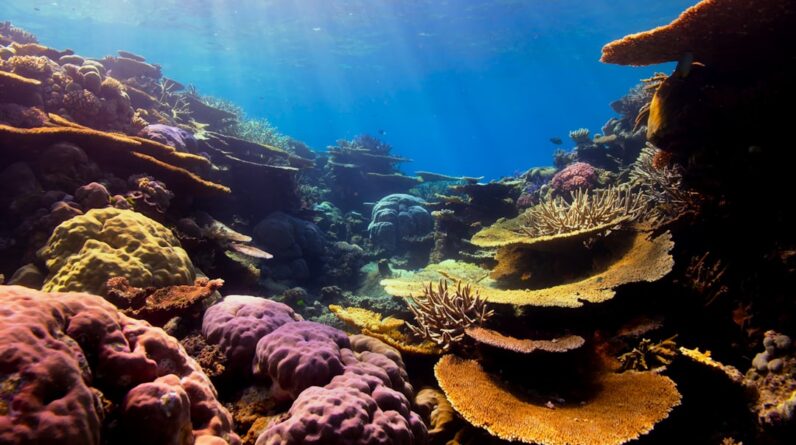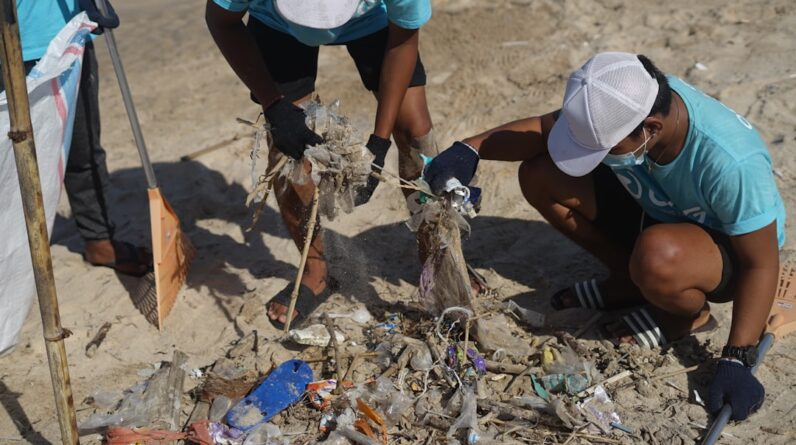
As you gaze out at the vast expanse of the ocean, it’s easy to be captivated by its beauty and mystery. However, beneath the surface lies a troubling reality: the ocean is facing an unprecedented pollution crisis. Every year, millions of tons of plastic waste, chemicals, and other pollutants find their way into the seas, threatening marine life and ecosystems.
You may not realize it, but this pollution not only affects the creatures that inhabit the ocean but also has far-reaching consequences for human health and the global economy. The urgency of addressing this issue cannot be overstated, as the health of our oceans is intrinsically linked to the well-being of our planet. The sources of ocean pollution are varied and complex.
From land-based runoff to maritime activities, human actions contribute significantly to the degradation of marine environments. You might be surprised to learn that a staggering 80% of ocean pollution originates from land-based sources, including industrial waste, agricultural runoff, and urban litter. This pollution not only harms marine life but also disrupts food chains and damages coral reefs, which are vital to ocean health.
As you consider these facts, it becomes clear that innovative solutions are needed to combat this growing crisis and restore the oceans to their former glory.
Key Takeaways
- Ocean pollution is a significant problem that requires innovative solutions for cleanup.
- Technology has played a crucial role in the rise of ocean cleanup efforts.
- Drones are being used for monitoring and cleaning the ocean, improving efficiency and accuracy.
- Autonomous Underwater Vehicles (AUVs) are being developed for effective and autonomous ocean cleanup.
- Artificial Intelligence is being utilized to identify and remove ocean pollution more effectively.
The Rise of Technology in Ocean Cleanup
In recent years, technology has emerged as a beacon of hope in the fight against ocean pollution. You may have heard about various initiatives that harness cutting-edge innovations to tackle this pressing issue. The rise of technology in ocean cleanup efforts signifies a shift in how we approach environmental challenges.
With advancements in engineering, robotics, and data analysis, you can see how we are beginning to develop more effective and efficient methods for cleaning our oceans. One of the most exciting aspects of this technological revolution is the collaboration between scientists, engineers, and environmentalists. You might be intrigued to learn that many organizations are now leveraging technology to create solutions that were once thought impossible.
From large-scale cleanup operations to localized efforts, technology is enabling us to address ocean pollution on multiple fronts. As you explore this topic further, you will discover how these innovations are not only improving cleanup efforts but also raising awareness about the importance of protecting our oceans.
The Role of Drones in Monitoring and Cleaning the Ocean

Drones have become a game-changer in various fields, and their application in ocean cleanup is no exception. You may be fascinated by how these unmanned aerial vehicles are being utilized to monitor pollution levels and identify hotspots where cleanup efforts are most needed. Equipped with high-resolution cameras and sensors, drones can cover vast areas of ocean quickly and efficiently, providing valuable data that informs cleanup strategies.
In addition to monitoring, drones are also being employed in active cleanup efforts. You might find it remarkable that some drones are designed to collect floating debris and plastic waste from the water’s surface. By using advanced technology such as GPS and machine learning algorithms, these drones can navigate complex environments and target specific areas for cleanup.
As you consider the potential of drones in ocean conservation, it becomes evident that they represent a significant advancement in our ability to protect marine ecosystems.
The Development of Autonomous Underwater Vehicles (AUVs) for Ocean Cleanup
As you delve deeper into the realm of ocean cleanup technology, you will encounter Autonomous Underwater Vehicles (AUVs), which are revolutionizing how we approach underwater pollution. These sophisticated machines are designed to operate independently in challenging marine environments, allowing for extensive exploration and cleanup without direct human intervention. AUVs can be equipped with various tools and sensors to detect pollutants, assess environmental conditions, and even collect samples for analysis.
The development of AUVs has opened up new possibilities for addressing underwater pollution that was previously difficult to tackle. You may be intrigued by their ability to reach depths that are inaccessible to traditional vessels, enabling them to locate and remove debris from the ocean floor. Furthermore, AUVs can operate for extended periods, gathering data that helps researchers understand the extent of pollution and its impact on marine life.
As you explore this technology further, you will see how AUVs are becoming indispensable allies in our quest to clean up the oceans.
The Use of Artificial Intelligence in Identifying and Removing Ocean Pollution
Artificial Intelligence (AI) is transforming numerous industries, and its application in ocean cleanup is particularly promising. You might be surprised to learn how AI algorithms can analyze vast amounts of data collected from drones, AUVs, and other monitoring systems to identify patterns in pollution distribution. By processing this information quickly and accurately, AI can help prioritize cleanup efforts and allocate resources more effectively.
Moreover, AI is being integrated into robotic systems designed for ocean cleanup. You may find it fascinating that these robots can learn from their environment and adapt their strategies based on real-time data. For instance, AI-powered robots can distinguish between different types of debris and target specific materials for removal.
This level of precision not only enhances cleanup efficiency but also minimizes the impact on marine ecosystems. As you consider the role of AI in ocean conservation, it becomes clear that this technology is paving the way for smarter and more effective solutions.
The Innovation of Ocean Cleaning Boats and Ships
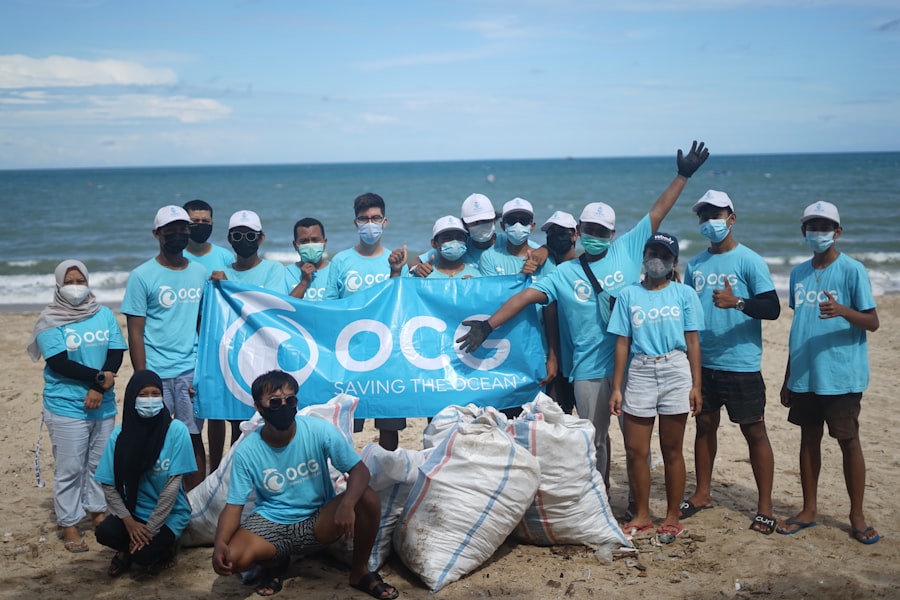
In addition to drones and AUVs, innovative boats and ships are playing a crucial role in ocean cleanup efforts. You may have heard about specialized vessels designed specifically for collecting plastic waste from the water’s surface. These boats often feature advanced filtration systems that allow them to capture debris while minimizing harm to marine life.
As you explore this topic further, you will discover how these vessels are equipped with cutting-edge technology that enhances their efficiency and effectiveness. One notable example is the use of large-scale cleanup ships that can process significant amounts of waste in a single trip. These ships often employ a combination of mechanical systems and automated processes to streamline operations.
You might be impressed by how some vessels can convert collected plastic into reusable materials on board, reducing the need for transportation and further processing on land. As you consider the potential impact of these innovations, it becomes evident that they represent a vital component of a comprehensive strategy for addressing ocean pollution.
The Impact of 3D Printing in Creating Sustainable Solutions for Ocean Cleanup
As you explore the intersection of technology and sustainability, 3D printing emerges as a fascinating tool in developing solutions for ocean cleanup. This innovative manufacturing process allows for rapid prototyping and production of specialized equipment tailored to specific cleanup needs. You may find it intriguing that organizations are using 3D printing to create custom components for drones, AUVs, and other cleanup devices.
Moreover, 3D printing enables the use of sustainable materials that can reduce environmental impact. For instance, researchers are experimenting with biodegradable plastics and recycled materials to create equipment designed for ocean cleanup. As you consider the implications of this technology, it becomes clear that 3D printing not only enhances efficiency but also aligns with broader goals of sustainability and environmental responsibility.
The Future of Ocean Cleanup Technology and the Importance of Continued Innovation
Looking ahead, the future of ocean cleanup technology appears promising yet challenging. As you reflect on the advancements made thus far, it’s essential to recognize that continued innovation will be crucial in addressing the ongoing pollution crisis. You may feel inspired by the potential for new technologies to emerge that could further enhance our ability to monitor, identify, and remove pollutants from our oceans.
However, it’s important to remember that technology alone cannot solve this problem; it requires a collective effort from individuals, communities, governments, and organizations worldwide. You have a role to play in advocating for sustainable practices and supporting initiatives aimed at protecting our oceans. As you engage with this issue, consider how your actions can contribute to a healthier planet for future generations.
In conclusion, while the challenge of ocean pollution is daunting, advancements in technology offer hope for effective solutions. From drones and AUVs to AI-driven systems and innovative vessels, you can see how we are harnessing human ingenuity to combat this pressing issue. As you continue to learn about these developments, remember that your awareness and advocacy can make a difference in preserving our oceans for years to come.
If you are interested in learning more about the impact of environmental conservation efforts, you may want to check out this article on how trees can save the Earth from global warming. Just like the tech geniuses working to clean our oceans, planting trees plays a crucial role in preserving our planet for future generations. This article explores the important role that trees play in combating climate change and protecting our environment.
FAQs
What is the article “The Innovators Saving Our Seas: Meet the Tech Geniuses Cleaning the Ocean” about?
The article discusses the innovative technologies and solutions being developed to clean up and protect the world’s oceans from pollution and environmental damage.
Who are the innovators mentioned in the article?
The article features various tech geniuses and innovators who are working on solutions to clean the ocean, including engineers, scientists, and entrepreneurs.
What are some of the technologies being developed to clean the ocean?
The article highlights technologies such as autonomous drones for ocean cleanup, advanced filtration systems to remove plastic waste, and innovative recycling processes for ocean plastics.
How are these innovators making a difference in ocean conservation?
The innovators are making a difference by developing and implementing technologies that can effectively remove and recycle ocean pollution, as well as raising awareness about the importance of ocean conservation.
What are some of the challenges faced by these tech geniuses in cleaning the ocean?
Challenges include the vast scale of ocean pollution, the need for funding and support for innovative projects, and the development of technologies that can withstand harsh ocean environments.
What can individuals do to support ocean conservation efforts?
Individuals can support ocean conservation efforts by reducing their use of single-use plastics, participating in beach cleanups, supporting organizations working on ocean conservation, and advocating for policies that protect the oceans.