When you think about the health of our planet, water quality often comes to mind. It’s a vital resource that sustains life, and its purity is essential for both human consumption and ecosystem health. Reforestation plays a crucial role in maintaining and improving water quality.
By restoring forests, you are not only enhancing the beauty of the landscape but also creating a natural filtration system that can significantly reduce pollutants in water bodies. Trees act as natural barriers, intercepting rainwater and allowing it to seep into the ground rather than running off into streams and rivers, which can carry contaminants. Moreover, reforestation helps to stabilize the soil, preventing erosion that can lead to sedimentation in waterways.
When trees are planted, their roots bind the soil together, reducing the likelihood of soil being washed away during heavy rains. This is particularly important in areas where agricultural runoff can introduce harmful chemicals into water systems. By promoting reforestation, you are actively participating in a process that not only enhances water quality but also supports the overall health of ecosystems that depend on clean water.
Key Takeaways
- Reforestation is crucial for improving water quality by preventing soil erosion and sedimentation.
- Trees play a vital role in filtering and purifying water, making reforestation essential for clean water sources.
- Reforestation helps reduce nutrient runoff and algal blooms, improving the overall health of aquatic ecosystems.
- The connection between reforestation and groundwater recharge highlights the importance of trees in maintaining water supplies.
- Reforestation plays a significant role in flood prevention and control, making it an important strategy for managing water-related disasters.
How Reforestation Prevents Soil Erosion and Sedimentation
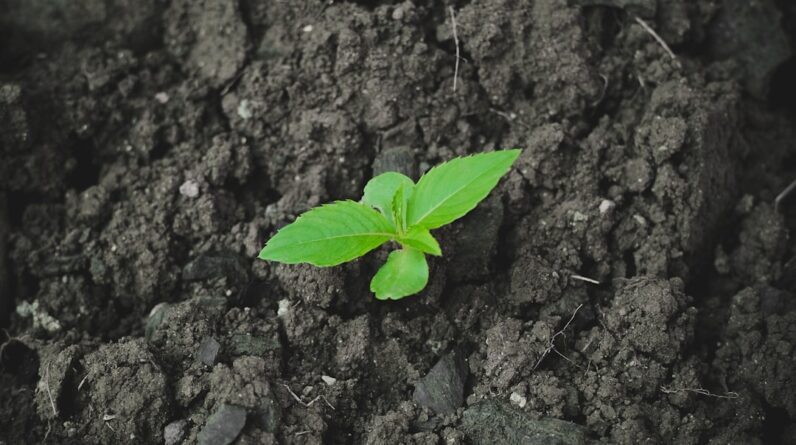
Soil erosion is a significant environmental issue that can have devastating effects on both land and water quality. When you consider the impact of deforestation, it becomes clear how critical reforestation is in combating this problem. Trees play an essential role in anchoring the soil with their extensive root systems.
When you plant trees, you are effectively creating a network that holds the soil in place, preventing it from being washed away by rain or blown away by wind. In addition to stabilizing the soil, reforestation also helps to reduce sedimentation in rivers and lakes. Sediment can cloud water, making it difficult for aquatic life to thrive and disrupting the natural balance of ecosystems.
By planting trees, you are not only preventing soil from eroding but also ensuring that waterways remain clear and healthy. This is particularly important in agricultural areas where soil erosion can lead to nutrient loss and decreased crop yields. By investing in reforestation efforts, you are contributing to a sustainable future where both land and water resources are preserved.
The Role of Trees in Filtering and Purifying Water
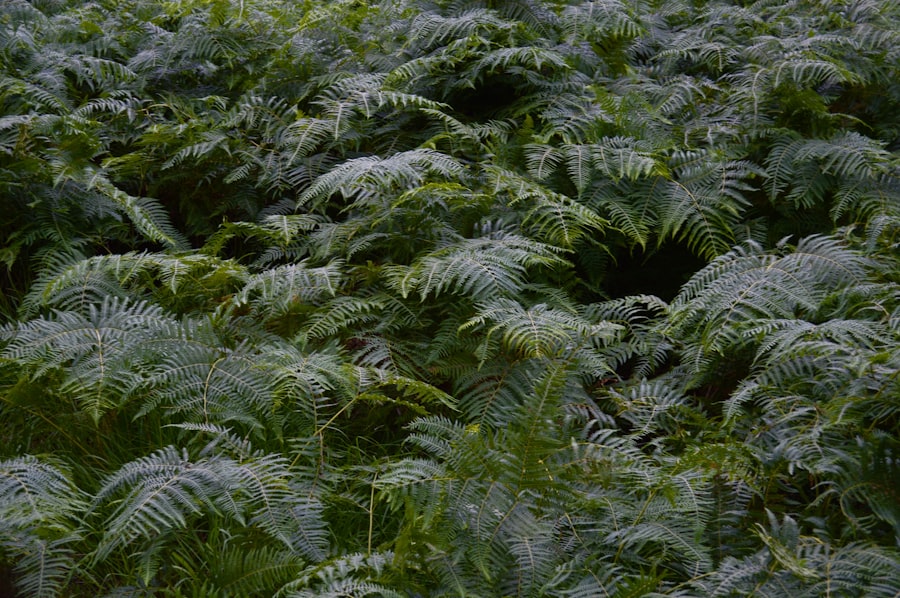
Trees are remarkable organisms that provide numerous benefits beyond their aesthetic appeal. One of their most vital functions is their ability to filter and purify water. As rainwater falls onto forested areas, it interacts with the leaves and branches of trees before reaching the ground.
This process allows trees to capture pollutants such as heavy metals and chemicals, preventing them from entering the groundwater supply. When you support reforestation initiatives, you are helping to create a natural filtration system that enhances water quality. Furthermore, the soil beneath trees is rich in organic matter, which acts as a sponge for water.
This organic layer absorbs rainwater and allows it to percolate slowly into the ground, where it is further filtered by microorganisms and other natural processes. This means that when you engage in reforestation, you are not only improving surface water quality but also contributing to the purification of groundwater resources. The result is cleaner water for drinking, irrigation, and supporting wildlife habitats.
Reforestation’s Impact on Nutrient Runoff and Algal Blooms
Nutrient runoff is a significant concern for water quality, particularly in agricultural regions where fertilizers are heavily used. When rain falls on these areas, excess nutrients can wash into nearby streams and lakes, leading to algal blooms that deplete oxygen levels and harm aquatic life. Reforestation can be a powerful tool in mitigating this issue.
By planting trees along waterways and in agricultural landscapes, you create buffer zones that absorb excess nutrients before they reach water bodies. These buffer zones not only help to filter out harmful substances but also provide habitat for wildlife and promote biodiversity. When you participate in reforestation efforts, you are actively working to reduce the occurrence of harmful algal blooms that threaten aquatic ecosystems.
The presence of trees can significantly decrease nutrient runoff by capturing rainfall and allowing it to infiltrate the soil rather than flowing directly into waterways. This proactive approach not only protects water quality but also supports sustainable agricultural practices.
The Connection Between Reforestation and Groundwater Recharge
Groundwater is an essential resource for many communities around the world, providing drinking water and irrigation for crops. However, groundwater levels are declining in many areas due to over-extraction and climate change. Reforestation plays a vital role in replenishing these underground aquifers.
When you plant trees, their roots create pathways for rainwater to infiltrate the soil, allowing it to recharge groundwater supplies more effectively. Additionally, forests act as natural sponges that retain moisture in the landscape. This moisture not only supports tree growth but also contributes to groundwater recharge during dry periods.
By engaging in reforestation efforts, you are helping to ensure that groundwater resources remain sustainable for future generations. The connection between trees and groundwater is profound; as you restore forests, you are directly contributing to the health of aquifers that many depend on for their livelihoods.
Reforestation’s Influence on Flood Prevention and Control
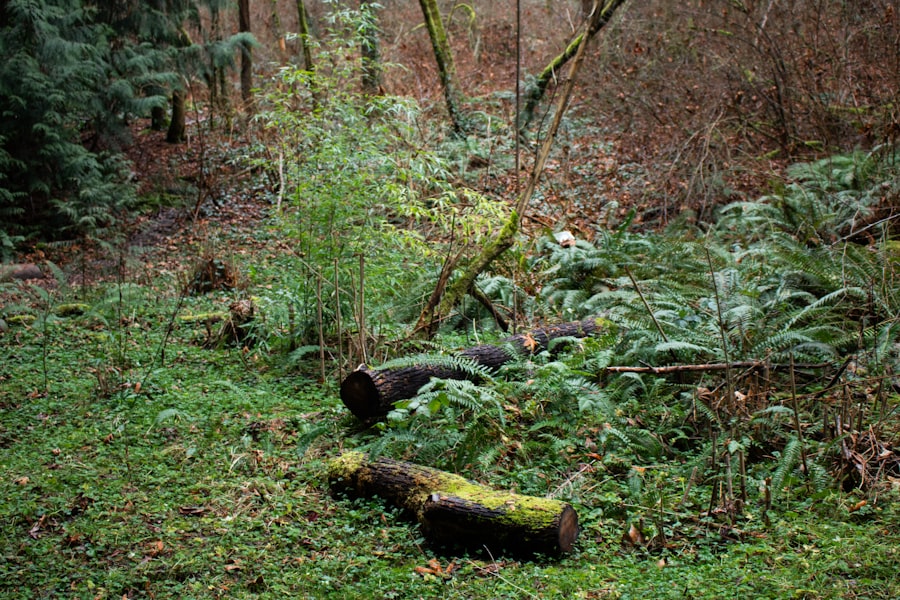
Flooding is a natural disaster that can have catastrophic consequences for communities and ecosystems alike. One effective way to mitigate flood risks is through reforestation. Trees play a crucial role in absorbing rainfall and slowing down runoff, which helps to reduce the volume of water that reaches rivers and streams during heavy rain events.
When you support reforestation initiatives, you are investing in a natural solution to flood control. Moreover, forests act as natural barriers that can slow down floodwaters and reduce their destructive power. The presence of trees can help to dissipate energy from flowing water, minimizing erosion and damage to infrastructure.
By planting trees in flood-prone areas, you are creating a buffer that protects both human settlements and natural habitats from the impacts of flooding. This proactive approach not only enhances community resilience but also promotes ecological stability.
The Relationship Between Reforestation and Biodiversity Conservation
Biodiversity is essential for maintaining healthy ecosystems, yet many species face threats from habitat loss due to deforestation and urbanization. Reforestation offers a powerful means of conserving biodiversity by restoring habitats for countless plant and animal species. When you engage in reforestation efforts, you are actively contributing to the creation of diverse ecosystems that support a wide range of life forms.
Forests provide critical habitats for wildlife, offering food sources, shelter, and breeding grounds. By planting native tree species during reforestation projects, you help to ensure that local flora and fauna can thrive. This not only enhances biodiversity but also promotes ecological resilience against climate change and other environmental stressors.
Your involvement in reforestation initiatives can have lasting impacts on preserving biodiversity for future generations.
Reforestation and its Contribution to Climate Change Mitigation
Climate change is one of the most pressing challenges facing our planet today, and reforestation is a vital strategy for mitigating its effects. Trees absorb carbon dioxide from the atmosphere during photosynthesis, acting as carbon sinks that help to reduce greenhouse gas concentrations. When you participate in reforestation efforts, you are directly contributing to climate change mitigation by increasing the number of trees that sequester carbon.
In addition to carbon sequestration, forests play a crucial role in regulating local climates by influencing temperature and humidity levels. They provide shade and reduce heat islands in urban areas while also contributing to rainfall patterns through transpiration processes. By supporting reforestation initiatives, you are not only helping combat climate change but also promoting healthier environments for communities around the world.
In conclusion, reforestation is an essential practice with far-reaching benefits for water quality, soil stability, biodiversity conservation, flood prevention, groundwater recharge, and climate change mitigation. By engaging in reforestation efforts, you are taking an active role in protecting our planet’s resources for future generations while enhancing your local environment’s health and resilience. Your commitment to restoring forests can create a ripple effect that positively impacts ecosystems and communities alike.
If you are interested in learning more about the benefits of massive tree planting, you may want to check out the article Preventing Floods by Massive Tree Planting. This article discusses how planting trees can help prevent floods and protect water quality, further highlighting the importance of reforestation efforts.
FAQs
What is reforestation?
Reforestation is the process of planting trees in areas where forests have been depleted or destroyed. It aims to restore the ecological balance and increase the forest cover.
How does reforestation protect water quality?
Reforestation helps protect water quality by preventing soil erosion, reducing sedimentation in water bodies, and filtering pollutants from runoff. Trees also help regulate the water cycle and maintain the health of watersheds.
What are the benefits of reforestation for water quality?
Reforestation can improve water quality by reducing the amount of sediment, nutrients, and pollutants entering water bodies. It also helps to maintain the natural flow of water and reduce the risk of flooding and drought.
How does reforestation enhance water quality?
Reforestation enhances water quality by providing a natural buffer to filter pollutants, stabilize soil, and regulate water flow. The presence of trees also promotes biodiversity, which contributes to the overall health of ecosystems.
What are some examples of successful reforestation projects that have improved water quality?
Successful reforestation projects that have improved water quality include the planting of trees along riverbanks, in riparian zones, and in degraded watersheds. These efforts have shown significant improvements in reducing sedimentation and filtering pollutants from runoff.