As you gaze out at the vast expanse of the ocean, it’s easy to overlook the intricate web of life that thrives beneath the surface. Healthy oceans are not just a picturesque backdrop; they are vital to the survival of our planet. Covering more than 70% of the Earth’s surface, oceans play a crucial role in regulating climate, supporting biodiversity, and providing essential resources for human life.
They are the lungs of our planet, producing a significant portion of the oxygen we breathe and absorbing carbon dioxide, which helps mitigate climate change. Understanding the importance of healthy oceans is essential for fostering a sustainable future. The health of our oceans directly impacts global ecosystems and human societies.
They serve as a habitat for countless species, from the smallest plankton to the largest whales, each playing a unique role in maintaining ecological balance. Moreover, oceans are a source of food, recreation, and economic opportunities for millions of people worldwide. As you consider your own connection to the ocean, it becomes clear that protecting these waters is not just an environmental issue; it is a matter of survival for both marine life and humanity.
Key Takeaways
- Healthy oceans are crucial for maintaining a balanced ecosystem and supporting life on Earth.
- Phytoplankton, through photosynthesis, are responsible for producing over half of the world’s oxygen supply.
- Ocean acidification, caused by increased carbon dioxide levels, can hinder phytoplankton’s ability to produce oxygen.
- Coral reefs play a vital role in oxygen production and their decline can have a significant impact on oxygen levels in the ocean.
- Biodiversity is essential for maintaining oxygen levels as different species contribute to the overall health of the ocean.
The Role of Phytoplankton in Oxygen Production
Phytoplankton, often referred to as the ocean’s microscopic powerhouses, are essential to oxygen production. These tiny organisms, which float near the surface of the water, harness sunlight through photosynthesis, converting carbon dioxide and nutrients into energy. Remarkably, phytoplankton are responsible for producing approximately 50% of the Earth’s oxygen supply.
As you reflect on this fact, it becomes evident that these minuscule life forms play a monumental role in sustaining life on our planet. In addition to their oxygen-producing capabilities, phytoplankton form the foundation of the marine food web. They serve as a primary food source for a variety of marine organisms, from small fish to large whales.
The health and abundance of phytoplankton populations are indicators of ocean health; when they thrive, so too does the entire marine ecosystem. However, their survival is intricately linked to environmental conditions such as water temperature, nutrient availability, and light penetration. As you consider the delicate balance required for phytoplankton to flourish, it becomes clear that any disruption in their environment can have far-reaching consequences.
The Impact of Ocean Acidification on Oxygen Production
Ocean acidification is one of the most pressing threats to marine ecosystems and their ability to produce oxygen. As you may know, this phenomenon occurs when excess carbon dioxide from human activities is absorbed by seawater, leading to a decrease in pH levels. This change in acidity can have detrimental effects on marine life, particularly organisms that rely on calcium carbonate for their shells and skeletons, such as corals and certain shellfish.
As these species struggle to survive in increasingly acidic waters, the entire marine food web is put at risk. The impact of ocean acidification extends beyond just individual species; it also affects phytoplankton populations. Some studies suggest that increased acidity can hinder phytoplankton’s ability to photosynthesize effectively, thereby reducing their oxygen production capabilities.
As you contemplate this interconnectedness, it becomes evident that ocean acidification poses a significant threat not only to marine biodiversity but also to the very oxygen levels that sustain life on Earth. The urgency to address this issue cannot be overstated; without healthy oceans, our planet’s future hangs in the balance.
The Connection Between Coral Reefs and Oxygen Production
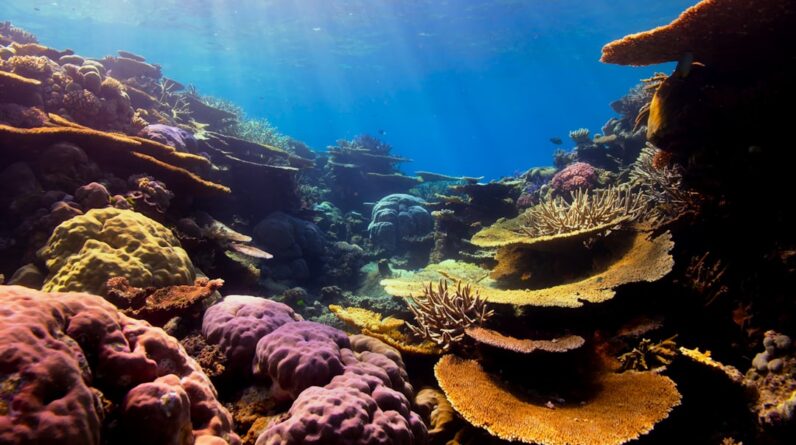
Coral reefs are often referred to as the “rainforests of the sea” due to their incredible biodiversity and ecological significance. These vibrant ecosystems provide habitat for countless marine species and play a crucial role in oxygen production through their symbiotic relationship with zooxanthellae—microscopic algae that live within coral tissues. As you explore the beauty of coral reefs, it’s important to recognize that these organisms contribute significantly to the overall oxygen levels in our oceans.
However, coral reefs are facing unprecedented threats from climate change, pollution, and overfishing. Rising sea temperatures lead to coral bleaching, a phenomenon where corals expel their symbiotic algae, resulting in a loss of color and vitality. This not only jeopardizes the corals themselves but also diminishes their ability to produce oxygen.
As you consider the fragility of these ecosystems, it becomes clear that protecting coral reefs is essential for maintaining healthy oceans and ensuring a stable supply of oxygen for all living beings.
The Importance of Biodiversity in Maintaining Oxygen Levels
Biodiversity is a cornerstone of healthy ecosystems, including those found in our oceans. The intricate relationships between various species contribute to the stability and resilience of marine environments. As you delve deeper into this topic, you’ll discover that diverse ecosystems are better equipped to withstand environmental changes and disturbances.
Each species plays a unique role in nutrient cycling and energy flow, ultimately influencing oxygen production. For instance, various types of marine plants and algae contribute differently to oxygen levels through photosynthesis. When biodiversity is compromised—whether through habitat destruction or pollution—the delicate balance that sustains oxygen production is disrupted.
As you reflect on your own actions and their impact on biodiversity, it becomes clear that fostering diverse marine ecosystems is not just an environmental responsibility; it is essential for ensuring a sustainable future for all life on Earth.
Human Activities and Their Effects on Ocean Health and Oxygen Production

Human activities have far-reaching consequences for ocean health and oxygen production. From industrial pollution to overfishing and coastal development, our actions can lead to habitat destruction and degradation of marine ecosystems. As you consider your own relationship with the ocean, it’s important to recognize how everyday choices can contribute to these larger issues.
For example, plastic waste can suffocate marine life and disrupt food chains, while nutrient runoff from agriculture can lead to harmful algal blooms that deplete oxygen levels in coastal waters. Moreover, climate change—driven largely by human activities—poses an existential threat to ocean health. Rising temperatures affect not only coral reefs but also phytoplankton populations and other vital components of marine ecosystems.
As you ponder these challenges, it becomes evident that collective action is necessary to mitigate human impacts on oceans. By advocating for sustainable practices and supporting conservation efforts, you can play a role in protecting these vital ecosystems and ensuring they continue to produce oxygen for generations to come.
The Role of Mangroves and Seagrass in Oxygen Production
Mangroves and seagrass beds are often overlooked but are critical components of coastal ecosystems that contribute significantly to oxygen production. Mangroves serve as nurseries for many marine species while also acting as natural barriers against storm surges and coastal erosion. Their complex root systems stabilize sediments and provide habitat for diverse wildlife.
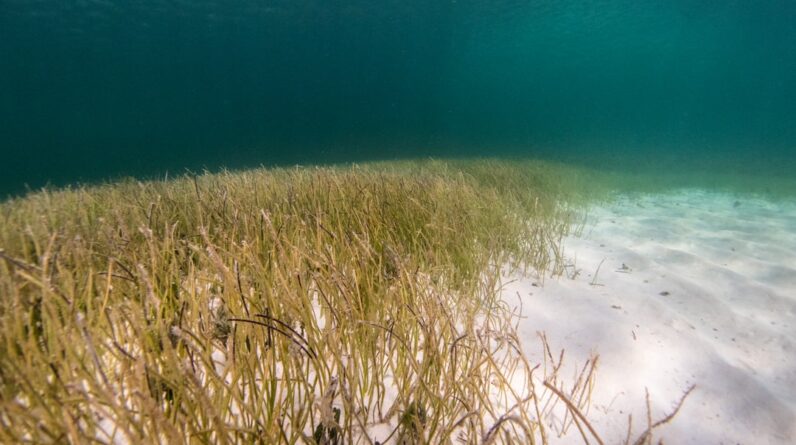
As you explore these unique ecosystems, you’ll find that they play an essential role in maintaining water quality and supporting overall ocean health. Seagrass beds are equally important; they provide habitat for various marine organisms while also sequestering carbon dioxide and producing oxygen through photosynthesis. These underwater meadows are vital for maintaining biodiversity and supporting fisheries.
However, both mangroves and seagrass beds face threats from coastal development, pollution, and climate change. As you reflect on your connection to these ecosystems, it becomes clear that protecting mangroves and seagrass is crucial for sustaining healthy oceans and ensuring continued oxygen production.
The Need for Conservation and Protection of Healthy Oceans
In conclusion, the importance of healthy oceans cannot be overstated; they are integral to our survival and well-being. From phytoplankton’s role in oxygen production to the interconnectedness of coral reefs and biodiversity, every aspect of ocean health contributes to a stable environment for all living beings. As you consider your own impact on these vital ecosystems, it becomes clear that conservation efforts must be prioritized.
The challenges facing our oceans are significant but not insurmountable. By advocating for sustainable practices, supporting conservation initiatives, and raising awareness about the importance of healthy oceans, you can contribute to positive change. The future of our planet depends on collective action; together, we can ensure that our oceans remain vibrant and capable of sustaining life for generations to come.
Your commitment to protecting these precious resources will not only benefit marine ecosystems but will also safeguard the very air we breathe—an essential step toward a healthier planet for all.
A related article discussing the importance of biodiversity in healthy ecosystems can be found at this link. Biodiversity plays a crucial role in maintaining the health of our forests and oceans, which in turn impacts oxygen production. By preserving and protecting diverse ecosystems, we can ensure a sustainable supply of oxygen for all living organisms on Earth.
FAQs
What is the importance of healthy oceans for oxygen production?
Healthy oceans are crucial for oxygen production as they are responsible for producing over 50% of the world’s oxygen. Phytoplankton, seaweed, and other marine plants release oxygen as a byproduct of photosynthesis, which is essential for the survival of marine life and the overall balance of the Earth’s atmosphere.
How do healthy oceans contribute to oxygen production?
Healthy oceans support a diverse range of marine plants and organisms, such as phytoplankton, seaweed, and algae, which are responsible for producing oxygen through the process of photosynthesis. These marine plants release oxygen into the water and atmosphere, contributing significantly to the Earth’s oxygen supply.
What are the consequences of declining ocean health on oxygen production?
Declining ocean health can lead to a decrease in oxygen production, which can have severe consequences for marine life and the overall balance of the Earth’s atmosphere. Factors such as pollution, climate change, and overfishing can negatively impact the health of oceans, leading to a decline in oxygen production and potentially disrupting the delicate balance of the Earth’s ecosystems.
How can we ensure the health of our oceans for oxygen production?
Protecting and preserving the health of our oceans is essential for ensuring continued oxygen production. This can be achieved through measures such as reducing pollution, combating climate change, implementing sustainable fishing practices, and establishing marine protected areas. Additionally, raising awareness and promoting conservation efforts can help to safeguard the health of our oceans for oxygen production.