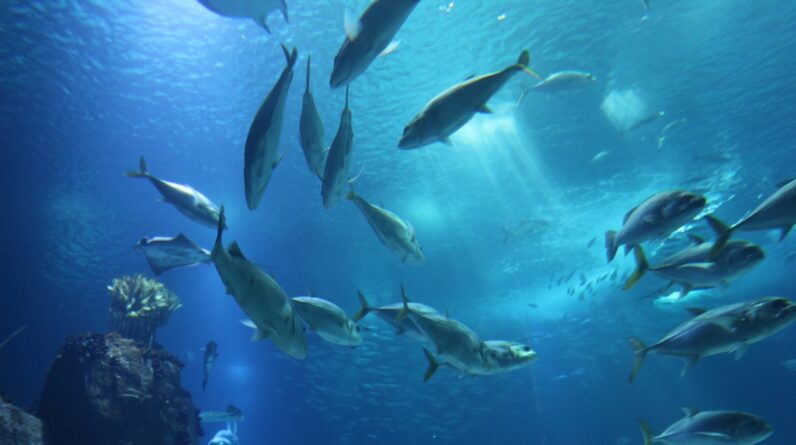
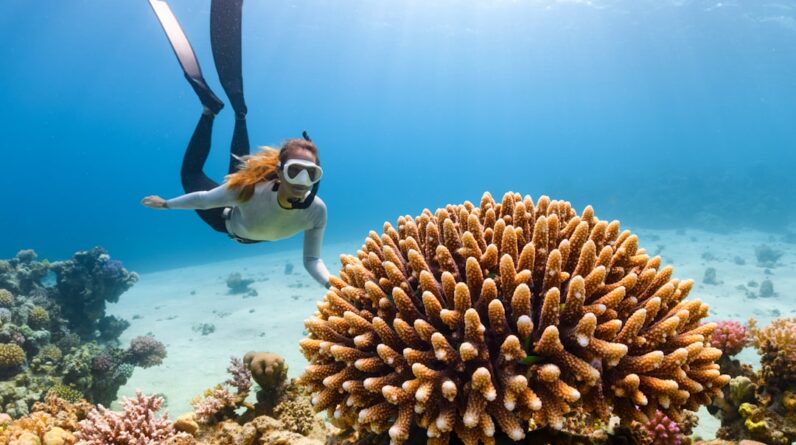
As you delve into the intricate relationship between sustainable fishing and ocean oxygen levels, you may find yourself captivated by the delicate balance that sustains marine ecosystems. Sustainable fishing practices are designed to maintain fish populations and their habitats, ensuring that future generations can enjoy the bounty of the sea. However, this balance is increasingly threatened by various factors, including overfishing and climate change, which can significantly impact ocean oxygen levels.
Understanding this connection is crucial for anyone who cares about the health of our oceans and the myriad forms of life they support. The oceans cover more than 70% of the Earth’s surface and play a vital role in regulating the planet’s climate and supporting biodiversity. Oxygen levels in the ocean are essential for the survival of marine organisms, from the smallest plankton to the largest whales.
As you explore this topic, you will uncover how sustainable fishing practices can help mitigate the decline in ocean oxygen levels, ultimately contributing to healthier marine environments. The journey into this subject reveals not only the challenges we face but also the innovative solutions that can lead to a more sustainable future.
Key Takeaways
- Sustainable fishing is crucial for maintaining healthy ocean oxygen levels and preserving marine life.
- Ocean oxygen levels are essential for the survival of marine organisms and ecosystems.
- Overfishing can lead to a decrease in ocean oxygen levels due to the disruption of marine food chains and ecosystems.
- Sustainable fishing practices, such as implementing fishing quotas and using selective fishing gear, can help protect ocean oxygen levels.
- Innovative practices in sustainable fishing, such as aquaculture and ecosystem-based management, can contribute to the protection of ocean oxygen levels.
The Importance of Ocean Oxygen Levels for Marine Life
Ocean oxygen levels are fundamental to the survival of marine life. You may be surprised to learn that approximately 50% of the oxygen we breathe comes from the ocean, primarily produced by phytoplankton through photosynthesis. These microscopic organisms form the base of the marine food web, supporting a diverse array of species.
When oxygen levels drop, it can lead to hypoxic conditions, where marine life struggles to survive. Fish, crustaceans, and other aquatic organisms rely on adequate oxygen levels to thrive, reproduce, and maintain healthy populations. In addition to supporting individual species, ocean oxygen levels are crucial for maintaining ecosystem balance.
Healthy oxygen levels promote biodiversity, allowing various species to coexist and interact within their habitats. When you consider the interconnectedness of marine life, it becomes clear that any disruption in oxygen levels can have cascading effects throughout the ecosystem. For instance, a decline in oxygen can lead to fish kills, which not only affects the targeted species but also disrupts predator-prey relationships and alters habitat dynamics.
Thus, maintaining optimal oxygen levels is essential for preserving marine biodiversity and ensuring the resilience of ocean ecosystems.
The Impact of Overfishing on Ocean Oxygen Levels

Overfishing poses a significant threat to ocean oxygen levels and overall marine health. As you examine this issue, you will discover that overfishing not only depletes fish populations but also disrupts the delicate balance of marine ecosystems. When certain species are removed from their habitats at unsustainable rates, it can lead to an overabundance of other species, which may consume more oxygen or alter nutrient cycling within the ecosystem.
This imbalance can exacerbate hypoxic conditions, further endangering marine life. Moreover, overfishing often leads to habitat destruction, particularly in sensitive areas such as coral reefs and seagrass beds. These habitats play a crucial role in oxygen production and carbon sequestration.
When you consider the impact of destructive fishing practices like bottom trawling or blast fishing, it becomes evident that these methods not only target fish populations but also damage the very ecosystems that support them. The loss of these habitats can result in decreased oxygen production and increased vulnerability to climate change impacts, creating a vicious cycle that threatens both marine life and human communities that depend on healthy oceans.
The Role of Sustainable Fishing in Preserving Ocean Oxygen Levels
Sustainable fishing practices offer a pathway to mitigate the negative impacts of overfishing on ocean oxygen levels. By adopting methods that prioritize ecological balance and long-term viability, you can contribute to healthier marine environments. Sustainable fishing involves setting catch limits based on scientific assessments, protecting critical habitats, and employing gear that minimizes bycatch and habitat damage.
These practices not only help maintain fish populations but also support the overall health of marine ecosystems. When you engage in sustainable fishing practices, you are actively participating in a movement that seeks to restore balance to our oceans. By prioritizing species diversity and habitat protection, sustainable fishing can enhance oxygen production and improve water quality.
For instance, protecting seagrass beds and coral reefs allows these vital ecosystems to thrive, promoting higher oxygen levels and supporting a diverse array of marine life. As you consider your role in this movement, remember that every choice you make—whether as a consumer or an advocate—can contribute to preserving ocean health for future generations.
Innovative Practices in Sustainable Fishing to Protect Ocean Oxygen Levels
As you explore innovative practices in sustainable fishing, you’ll find that technology and traditional knowledge are coming together to create solutions that protect ocean oxygen levels. One such practice is the use of selective fishing gear designed to minimize bycatch and reduce habitat destruction. For example, circle hooks and fish traps can help target specific species while allowing non-target species to escape unharmed.
This approach not only preserves biodiversity but also supports healthier ecosystems that contribute to higher oxygen levels. Another exciting development is the implementation of aquaculture systems that prioritize sustainability. You may be intrigued by integrated multi-trophic aquaculture (IMTA), which combines different species in a single system to mimic natural ecosystems.
In IMTA systems, nutrient-rich waste from one species serves as food for another, creating a closed-loop system that reduces pollution and enhances overall productivity. By adopting such innovative practices, you can help ensure that fishing activities do not compromise ocean health or oxygen levels.
The Connection Between Climate Change and Ocean Oxygen Levels

Climate change is intricately linked to ocean oxygen levels, creating additional challenges for marine ecosystems. As global temperatures rise, ocean waters warm, leading to decreased solubility of oxygen in seawater. This phenomenon can exacerbate hypoxic conditions, particularly in coastal areas where nutrient runoff from agriculture contributes to algal blooms.
When these blooms die off and decompose, they consume large amounts of oxygen, further depleting available resources for marine life. You may also be concerned about how climate change affects ocean circulation patterns, which play a crucial role in distributing oxygen throughout marine environments. Changes in currents can lead to stratification of water layers, preventing oxygen-rich surface waters from mixing with deeper layers.
This stratification can create “dead zones,” areas where oxygen levels are critically low and unable to support most marine life. Understanding this connection between climate change and ocean health is essential for developing effective strategies to combat both issues simultaneously.
Global Efforts to Promote Sustainable Fishing and Protect Ocean Oxygen Levels
Around the world, there are numerous initiatives aimed at promoting sustainable fishing practices and protecting ocean oxygen levels. International organizations such as the Food and Agriculture Organization (FAO) work tirelessly to establish guidelines for sustainable fisheries management while advocating for policies that prioritize ecosystem health. You may be inspired by grassroots movements that empower local communities to adopt sustainable fishing practices tailored to their unique environments.
In addition to policy efforts, there are innovative partnerships between governments, NGOs, and private sectors focused on advancing sustainable fishing technologies and practices. These collaborations often involve research initiatives aimed at understanding the impacts of fishing on ocean health and developing solutions that benefit both marine ecosystems and local economies. By supporting these global efforts, you can play a role in fostering a more sustainable future for our oceans.
The Need for Collective Action to Ensure Sustainable Fishing and Healthy Ocean Oxygen Levels
As you reflect on the intricate relationship between sustainable fishing and ocean oxygen levels, it becomes clear that collective action is essential for ensuring a healthy future for our oceans. The challenges posed by overfishing, climate change, and habitat destruction require a united response from individuals, communities, governments, and organizations worldwide. By advocating for sustainable practices and supporting policies that prioritize ocean health, you can contribute to a movement that seeks to restore balance to our marine ecosystems.
Ultimately, your choices matter—whether it’s opting for sustainably sourced seafood or participating in local conservation efforts. Every action taken towards promoting sustainable fishing practices helps protect ocean oxygen levels and supports the diverse life forms that inhabit our seas. Together, we can create a future where our oceans thrive—rich in biodiversity and capable of sustaining both marine life and human communities for generations to come.
A related article to The Connection Between Sustainable Fishing and Ocean Oxygen Levels is “Biodiversity Reservoir by Having Healthy Forest” which discusses the importance of maintaining healthy forests for biodiversity conservation. This article highlights how forests serve as a reservoir for various species and play a crucial role in supporting ecosystems. To read more about this topic, visit Biodiversity Reservoir by Having Healthy Forest.
FAQs
What is sustainable fishing?
Sustainable fishing refers to the practice of catching or farming fish in a way that does not lead to the depletion of the species and allows for the long-term health of the marine ecosystem.
How does sustainable fishing affect ocean oxygen levels?
Sustainable fishing helps maintain the balance of marine ecosystems by preventing overfishing and preserving the natural food chain. This, in turn, supports the overall health of the ocean, including oxygen levels.
Why are healthy ocean oxygen levels important?
Healthy ocean oxygen levels are crucial for the survival of marine life and the overall health of the ocean ecosystem. Oxygen is essential for the respiration of marine organisms and plays a key role in nutrient cycling and the balance of marine ecosystems.
What are the consequences of unsustainable fishing on ocean oxygen levels?
Unsustainable fishing practices can lead to the depletion of fish populations, disruption of the marine food chain, and overall degradation of the marine ecosystem. This can have negative impacts on ocean oxygen levels and the health of the ocean.
How can sustainable fishing practices be promoted?
Sustainable fishing practices can be promoted through the implementation of regulations and policies that limit overfishing, protect marine habitats, and promote responsible fishing practices. Consumer awareness and support for sustainable seafood can also drive the demand for sustainable fishing practices.