When you think about charitable giving, traditional donations often come to mind. You might envision writing a check or contributing to a crowdfunding campaign. While these methods can provide immediate financial support to various causes, they often lack a tangible connection to the impact of your contribution.
You may find yourself wondering where your money goes, how it is used, and whether it truly makes a difference. This disconnect can lead to feelings of skepticism and disillusionment, especially when you see little to no visible change in the community or environment you aimed to help. Moreover, traditional donations can sometimes perpetuate a cycle of dependency rather than fostering sustainable growth.
When funds are given without a clear plan for long-term impact, organizations may struggle to maintain their initiatives once the money runs out. You might feel frustrated knowing that your generous contributions could be better utilized in ways that promote self-sufficiency and resilience. This is where alternative methods of giving, such as tree planting, come into play, offering a more hands-on approach that not only benefits the environment but also creates lasting change in communities.
Key Takeaways
- Traditional donations may not have a lasting impact on the environment
- Planting trees can provide numerous benefits such as improving air quality and reducing erosion
- It’s important to choose the right trees for your area to ensure their survival and growth
- Finding the perfect planting location is crucial for the long-term health of the trees
- Proper planting and care are essential for the success of the trees and their impact on the environment
The Benefits of Planting Trees
Planting trees offers a multitude of benefits that extend far beyond mere aesthetics. As you consider the act of planting a tree, you are engaging in an activity that contributes to the health of the planet. Trees play a crucial role in absorbing carbon dioxide and releasing oxygen, making them vital players in combating climate change.
By participating in tree planting initiatives, you are directly contributing to cleaner air and a healthier atmosphere for future generations. In addition to their environmental benefits, trees also provide social and economic advantages. They can enhance property values, create shade that reduces energy costs, and even improve mental health by providing green spaces for recreation and relaxation.
Imagine walking through a park filled with lush trees; the calming effect they have on your mind and spirit is undeniable. By planting trees, you are not only investing in the environment but also enriching the lives of those around you, fostering a sense of community and well-being.
Choosing the Right Trees for Your Area
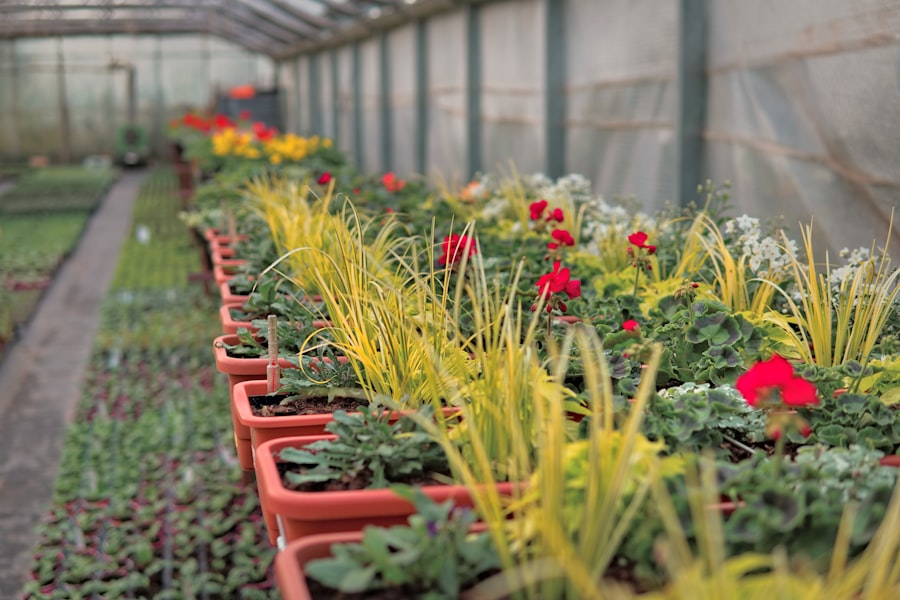
Selecting the appropriate tree species for your local environment is crucial for ensuring their survival and success. You may want to start by researching native species that thrive in your region’s climate and soil conditions. Native trees are adapted to local ecosystems, making them more resilient to pests and diseases while providing essential habitats for wildlife.
By choosing native species, you contribute to biodiversity and help maintain the ecological balance in your area. Additionally, consider the specific needs of your planting site. Factors such as sunlight exposure, soil type, and available space will influence your choice of trees.
For instance, if you have limited space in an urban setting, you might opt for smaller species or those with a more compact growth habit. On the other hand, if you have ample land in a rural area, larger trees can provide significant shade and habitat. By carefully selecting the right trees for your area, you set the stage for successful growth and long-term benefits.
Finding the Perfect Planting Location
Once you’ve chosen the right tree species, the next step is identifying the ideal planting location. This process involves assessing various factors that can impact tree growth and health. You might start by evaluating sunlight exposure; most trees require at least six hours of direct sunlight each day to thrive.
If you’re planting in a shaded area, consider how nearby structures or other trees may affect light availability over time. Soil quality is another critical aspect to consider when selecting a planting site. Conducting a simple soil test can help you determine pH levels and nutrient content, allowing you to amend the soil as needed before planting.
Additionally, think about drainage; trees planted in waterlogged areas may struggle to establish roots. By taking the time to find the perfect location for your trees, you increase their chances of thriving and contributing positively to the environment.
Planting and Caring for Your Trees
The actual process of planting trees is both an art and a science. When you’re ready to plant, ensure that you dig a hole that is wide enough to accommodate the root system without crowding it. The depth should be just right; planting too deep can suffocate roots while planting too shallow can expose them to harsh conditions.
As you place the tree in its new home, take care to gently spread out the roots and backfill with soil, ensuring there are no air pockets that could hinder growth. After planting, your responsibility doesn’t end there; caring for your trees is essential for their long-term success. Regular watering is crucial during the first few years as they establish their root systems.
Mulching around the base can help retain moisture and suppress weeds that compete for nutrients. You might also want to monitor for pests or diseases that could threaten your trees’ health. By committing to ongoing care, you ensure that your trees grow strong and healthy, ultimately maximizing their positive impact on the environment.
Involving the Community in Tree Planting
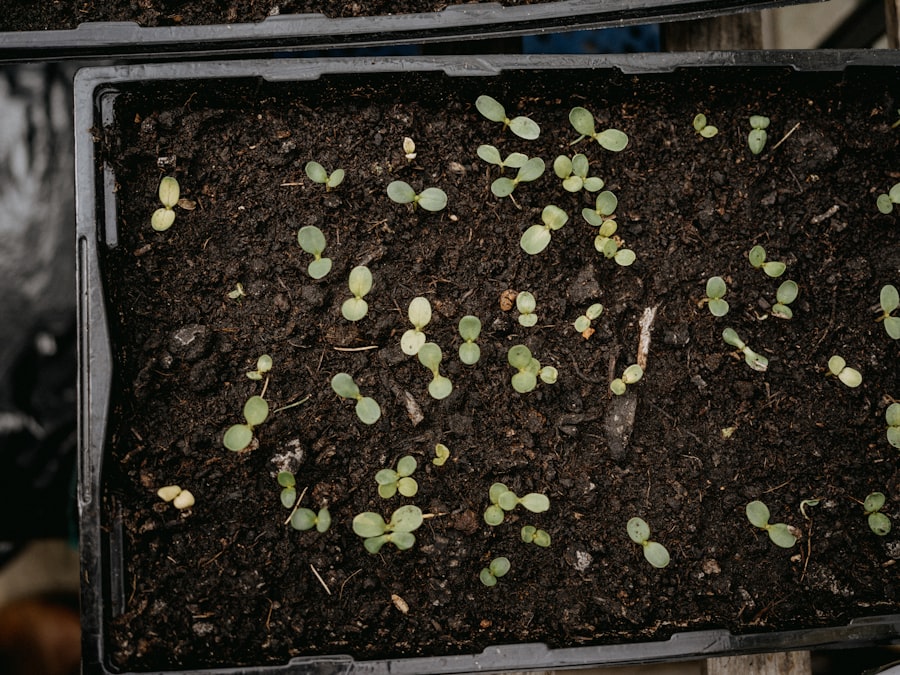
One of the most rewarding aspects of tree planting is the opportunity to involve your community in this meaningful endeavor. Organizing community tree-planting events can foster a sense of unity and shared purpose among participants. You might consider partnering with local schools, environmental organizations, or neighborhood associations to spread awareness about the importance of trees and encourage participation.
Engaging community members not only amplifies the impact of your efforts but also educates others about environmental stewardship. As people come together to plant trees, they learn about their benefits and develop a deeper appreciation for nature. You may find that these events spark conversations about sustainability and inspire individuals to take further action in their own lives.
By involving your community in tree planting, you create lasting connections while promoting a culture of environmental responsibility.
Monitoring and Maintaining Your Trees
Once your trees are planted and established, ongoing monitoring is essential to ensure their continued health and growth. Regularly checking on your trees allows you to identify any issues early on, such as signs of disease or pest infestations. You might want to keep a journal or log of your observations, noting changes in growth patterns or any challenges you encounter along the way.
Maintenance tasks such as pruning can also play a vital role in promoting healthy growth. Pruning helps shape trees and remove any dead or diseased branches that could hinder their development. Additionally, keeping an eye on soil moisture levels will help you determine when it’s time to water or amend the soil further.
By actively monitoring and maintaining your trees, you contribute to their longevity and ensure they continue providing benefits for years to come.
Celebrating the Growth and Impact of Your Trees
As time passes and your trees grow taller and stronger, take a moment to celebrate their progress and the positive impact they have on your community and environment. Organizing events or gatherings can serve as an opportunity to reflect on what you’ve accomplished together with others who participated in the planting process. You might consider hosting an annual tree celebration where community members can come together to enjoy nature while learning about the importance of trees.
Sharing stories about how your trees have improved air quality, provided shade, or created habitats for wildlife can inspire others to get involved in similar initiatives. Documenting their growth through photographs or videos can also serve as a powerful reminder of what collective action can achieve over time. By celebrating the growth and impact of your trees, you not only honor your efforts but also encourage others to join in on this vital mission for a healthier planet.
If you are interested in learning more about the impact of tree planting on combatting global warming, check out this article on Combatting Global Warming by Massive Tree Planting. It delves into the importance of planting trees as a solution to climate change. Additionally, if you want to understand the significance of living life with purpose and making a positive impact, you may find this article on Living Life with Purpose: Good Purpose insightful. And if you are curious about any potential negative effects of planting trees on the environment, you can explore this article on Why Is Planting Trees Bad for the Environment?.
FAQs
What is the concept of “Stop Donating, Start Planting”?
The concept of “Stop Donating, Start Planting” encourages people to shift their focus from simply donating money to environmental causes, to actively participating in planting and nurturing trees and plants to help the environment.
Why is planting trees and plants important for the environment?
Planting trees and plants is important for the environment because they help to absorb carbon dioxide, provide oxygen, improve air quality, prevent soil erosion, provide habitat for wildlife, and contribute to overall biodiversity.
How can individuals get involved in planting trees and plants?
Individuals can get involved in planting trees and plants by participating in tree planting events, joining local environmental organizations, starting community gardens, and planting trees and plants in their own yards or neighborhoods.
What are the benefits of hands-on planting and gardening for individuals?
Hands-on planting and gardening can provide individuals with physical exercise, stress relief, a sense of accomplishment, and a deeper connection to nature and the environment. It can also help to educate and inspire others to take action for the environment.