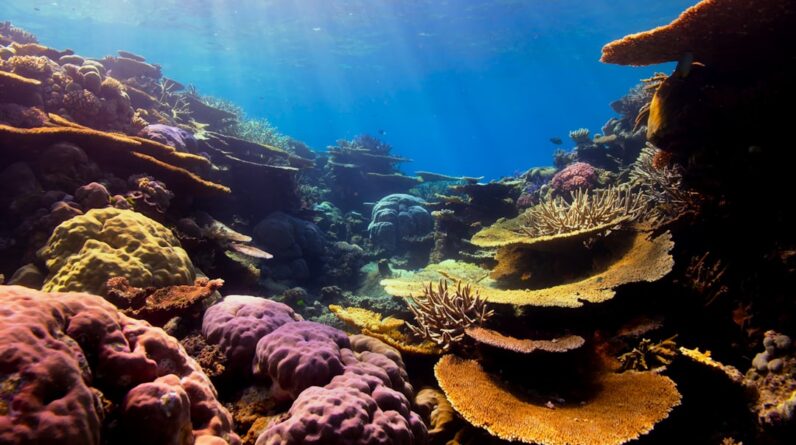
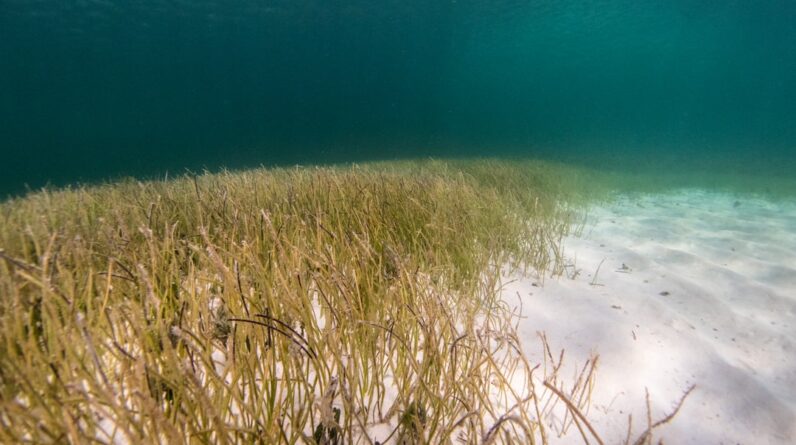
Blue carbon refers to the carbon captured and stored by coastal and marine ecosystems, particularly mangroves, salt marshes, and seagrasses. These ecosystems play a crucial role in the global carbon cycle, acting as significant carbon sinks that sequester carbon dioxide from the atmosphere. As you delve into the concept of blue carbon, you will discover that it is not just a scientific term; it embodies a vital strategy for combating climate change while simultaneously preserving biodiversity and supporting coastal communities.
Understanding blue carbon is essential for grasping the interconnectedness of our planet’s ecosystems. The term highlights the importance of marine environments in climate regulation, emphasizing that land-based solutions alone are insufficient to address the climate crisis. By recognizing the value of blue carbon, you can appreciate how these ecosystems contribute to a healthier planet and why their protection and restoration are imperative for future generations.
Key Takeaways
- Blue carbon refers to the carbon captured and stored by coastal and marine ecosystems such as mangroves, seagrasses, and salt marshes.
- Blue carbon plays a crucial role in mitigating climate change by sequestering carbon dioxide from the atmosphere and storing it in coastal ecosystems.
- Coastal ecosystems like mangroves, seagrasses, and salt marshes are highly effective in sequestering and storing blue carbon due to their high productivity and ability to trap sediment.
- Blue carbon has the potential to offset carbon emissions through conservation and restoration efforts in coastal ecosystems.
- Threats to blue carbon ecosystems, such as deforestation, pollution, and climate change, pose significant challenges to their ability to sequester and store carbon.
The Importance of Blue Carbon in Climate Change Mitigation
The significance of blue carbon in mitigating climate change cannot be overstated. Coastal ecosystems are among the most efficient carbon sinks on Earth, capable of sequestering carbon at rates much higher than terrestrial forests. When you consider that these ecosystems cover only a small fraction of the Earth’s surface, their potential for carbon storage becomes even more remarkable.
By protecting and restoring these areas, you can help reduce atmospheric carbon levels, thereby playing a part in the global effort to combat climate change. Moreover, blue carbon ecosystems provide additional benefits beyond carbon sequestration. They enhance coastal resilience against climate impacts such as sea-level rise and extreme weather events.
As you explore the multifaceted role of blue carbon, you will find that these ecosystems not only absorb carbon but also act as natural barriers, protecting coastal communities from storm surges and erosion. This dual function underscores the importance of integrating blue carbon strategies into broader climate action plans.
The Role of Coastal Ecosystems in Blue Carbon Sequestration

Coastal ecosystems, including mangroves, salt marshes, and seagrasses, are integral to blue carbon sequestration. Each of these ecosystems has unique characteristics that contribute to their ability to capture and store carbon. For instance, mangroves thrive in intertidal zones and have extensive root systems that stabilize sediments while trapping organic matter.
As you learn about these ecosystems, you will appreciate how their complex structures facilitate the long-term storage of carbon in both plant biomass and soil. Salt marshes, on the other hand, are characterized by their herbaceous vegetation and play a crucial role in nutrient cycling. They can sequester carbon through the accumulation of organic matter in their soils, which can remain buried for centuries.
Seagrasses, often found in shallow coastal waters, also contribute significantly to blue carbon storage by capturing carbon through photosynthesis and storing it in their roots and sediments. Understanding the specific roles of these ecosystems will deepen your appreciation for their contributions to climate change mitigation.
The Potential of Blue Carbon for Carbon Offsetting
The potential of blue carbon for carbon offsetting is gaining recognition as businesses and governments seek innovative solutions to meet their climate goals. By investing in blue carbon projects, you can help facilitate the restoration and protection of coastal ecosystems while simultaneously offsetting your own carbon emissions. This approach not only contributes to climate mitigation but also supports local communities that rely on these ecosystems for their livelihoods.
Carbon offsetting through blue carbon initiatives can take various forms, including reforestation projects in mangrove areas or the restoration of degraded salt marshes. As you explore these opportunities, you will find that they often involve collaboration with local stakeholders, ensuring that conservation efforts align with community needs. This participatory approach enhances the effectiveness of blue carbon projects while fostering a sense of ownership among those directly impacted by environmental changes.
Threats to Blue Carbon Ecosystems
Despite their importance, blue carbon ecosystems face numerous threats that jeopardize their ability to sequester carbon effectively. Coastal development, pollution, and climate change itself pose significant challenges to these fragile environments. As you consider these threats, it becomes clear that human activities have far-reaching consequences on coastal ecosystems, leading to habitat loss and degradation.
One of the most pressing issues is the conversion of mangroves and salt marshes for agriculture or urban development. This not only releases stored carbon back into the atmosphere but also diminishes the ecosystem’s capacity to sequester future emissions. Additionally, rising sea levels and increased storm intensity due to climate change further exacerbate the vulnerability of these ecosystems.
Recognizing these threats is crucial for developing effective conservation strategies that prioritize the protection of blue carbon habitats.
Conservation and Restoration Efforts for Blue Carbon Ecosystems

Conservation and restoration efforts for blue carbon ecosystems are essential for ensuring their continued role in climate change mitigation. Various organizations and governments are increasingly recognizing the value of these habitats and are implementing initiatives aimed at protecting them. As you explore these efforts, you will find that they often involve a combination of policy measures, community engagement, and scientific research.
Restoration projects can take many forms, from replanting mangroves to rehabilitating degraded salt marshes. These initiatives not only enhance carbon sequestration but also improve biodiversity and strengthen coastal resilience. Engaging local communities in restoration efforts is vital; it fosters a sense of stewardship and ensures that conservation practices are culturally appropriate and sustainable.
By participating in or supporting these initiatives, you can contribute to the long-term health of blue carbon ecosystems.
The Economic and Social Benefits of Blue Carbon
The economic and social benefits of blue carbon extend far beyond its role in climate change mitigation. Coastal ecosystems provide a wealth of resources that support local economies, including fisheries, tourism, and recreational opportunities. As you consider the broader implications of blue carbon, you will see how healthy coastal environments contribute to food security and livelihoods for millions of people worldwide.
Moreover, investing in blue carbon initiatives can yield significant economic returns. For instance, restoring mangroves can enhance fish populations by providing critical nursery habitats, leading to increased catches for local fishermen. Additionally, healthy coastal ecosystems attract tourists seeking natural beauty and recreational activities, generating revenue for local communities.
By recognizing the economic value of blue carbon ecosystems, you can advocate for policies that prioritize their protection and sustainable management.
The Future of Blue Carbon in Climate Change Mitigation
The future of blue carbon in climate change mitigation looks promising as awareness grows about its potential benefits. Policymakers are beginning to incorporate blue carbon strategies into national climate action plans, recognizing that these ecosystems are vital components of a comprehensive approach to addressing climate change. As you look ahead, it is clear that continued advocacy and investment in blue carbon initiatives will be crucial for maximizing their impact.
Innovative financing mechanisms are emerging to support blue carbon projects, including carbon credits and green bonds specifically designed for coastal ecosystem restoration. These financial tools can help mobilize resources needed for large-scale conservation efforts while providing incentives for businesses to invest in sustainable practices. By staying informed about developments in this field, you can play an active role in promoting blue carbon as a key solution in the fight against climate change.
In conclusion, blue carbon represents a powerful opportunity to address climate change while simultaneously supporting biodiversity and local communities. By understanding its importance and advocating for its protection and restoration, you can contribute to a more sustainable future for our planet.
Blue Carbon: The Ocean’s Secret Weapon Against Climate Change is a fascinating article that highlights the importance of coastal ecosystems in sequestering carbon and mitigating climate change. For further reading on the topic of trees and their role in combating global warming, check out How Can Trees Save the Earth from Global Warming?. This article delves into the benefits of increased tree planting and the potential impacts on the world’s ecosystems. It’s a great companion piece to the discussion on blue carbon and the vital role of nature in addressing climate change.
FAQs
What is blue carbon?
Blue carbon refers to the carbon captured and stored by coastal and marine ecosystems such as mangroves, seagrasses, and salt marshes. These ecosystems are highly efficient at sequestering carbon dioxide from the atmosphere and storing it in the soil and biomass.
How does blue carbon help mitigate climate change?
Coastal and marine ecosystems act as natural carbon sinks, capturing and storing large amounts of carbon. By preserving and restoring these ecosystems, we can help reduce the amount of carbon dioxide in the atmosphere, thus mitigating climate change.
Why are coastal and marine ecosystems important for blue carbon storage?
Coastal and marine ecosystems are highly productive and efficient at sequestering carbon. They can store carbon for long periods of time in their soil and biomass, making them important allies in the fight against climate change.
What are the threats to blue carbon ecosystems?
Coastal and marine ecosystems are threatened by human activities such as coastal development, pollution, and overexploitation. Climate change also poses a threat to these ecosystems through sea level rise and ocean acidification.
How can we protect and restore blue carbon ecosystems?
Protecting and restoring blue carbon ecosystems involves implementing policies and practices that reduce the threats to these ecosystems, such as sustainable coastal development, reducing pollution, and establishing marine protected areas. Additionally, supporting community-based conservation efforts and raising awareness about the importance of these ecosystems can help in their protection and restoration.