When you think about the ocean, you might picture vast blue expanses teeming with life, but what you may not realize is that the ocean is also a critical source of oxygen for our planet. Approximately 50% to 80% of the Earth’s oxygen is produced by marine organisms, primarily phytoplankton. This microscopic plant life plays a vital role in the global oxygen cycle, making the health of our oceans directly linked to the air you breathe.
Without sufficient oxygen production from the ocean, life on land would face dire consequences, as the delicate balance of gases in our atmosphere would be disrupted. Moreover, ocean oxygen is essential for the survival of countless marine species. Fish, crustaceans, and other aquatic organisms rely on dissolved oxygen in seawater to thrive.
The intricate web of life in the ocean is dependent on this oxygen, which supports not only individual species but entire ecosystems. The health of these ecosystems is crucial for maintaining biodiversity and ensuring that marine resources remain available for future generations. As you consider the importance of ocean oxygen, it becomes clear that its preservation is not just an environmental issue; it is a matter of sustaining life itself.
Key Takeaways
- Ocean oxygen is crucial for marine life and the overall health of the planet.
- Factors such as climate change, pollution, and nutrient runoff can affect ocean oxygen levels.
- Decreasing ocean oxygen can lead to harmful algal blooms, loss of biodiversity, and disruptions in marine food webs.
- Solutions to address declining ocean oxygen include reducing carbon emissions, controlling nutrient runoff, and creating marine protected areas.
- Phytoplankton play a vital role in oxygen production through photosynthesis and are essential for maintaining ocean oxygen levels.
Factors Affecting Ocean Oxygen Levels
Several factors influence the levels of oxygen in the ocean, and understanding these can help you appreciate the complexities of marine ecosystems. One significant factor is temperature. Warmer waters hold less dissolved oxygen than cooler waters, which means that as global temperatures rise due to climate change, the oceans are likely to experience a decline in oxygen levels.
This phenomenon can lead to hypoxic zones—areas where oxygen is so low that most marine life cannot survive. As you reflect on this, consider how rising temperatures not only affect your local climate but also have far-reaching implications for ocean health. Another critical factor is nutrient pollution, often resulting from agricultural runoff and wastewater discharge.
When excess nutrients, particularly nitrogen and phosphorus, enter the ocean, they can trigger algal blooms. While these blooms may initially seem beneficial as they produce oxygen, their decay consumes vast amounts of oxygen in the water, leading to dead zones where marine life cannot exist. This cycle of nutrient enrichment and subsequent depletion of oxygen illustrates how human activities can have unintended consequences on ocean health.
By recognizing these factors, you can better understand the challenges facing our oceans and the urgent need for action.
Consequences of Decreasing Ocean Oxygen

The decline in ocean oxygen levels has profound consequences that extend beyond marine life. As you consider the implications, think about how fish populations are affected. Many commercially important fish species require specific oxygen levels to thrive.
When these levels drop, fish may migrate to find more suitable habitats, disrupting local fisheries and impacting communities that rely on fishing for their livelihoods. This shift can lead to economic instability and food insecurity for those who depend on these resources. Additionally, the loss of oxygen in the ocean can lead to significant changes in marine ecosystems.
Species that are less tolerant to low oxygen conditions may decline or disappear altogether, leading to a loss of biodiversity. This decline can create imbalances within ecosystems, affecting predator-prey relationships and altering food webs. As you contemplate these changes, consider how they might ripple through the entire marine environment, ultimately affecting human populations as well.
The interconnectedness of life on Earth means that a decline in ocean health can have far-reaching effects on your own well-being.
Solutions to Address Declining Ocean Oxygen
Addressing the issue of declining ocean oxygen levels requires a multifaceted approach that involves both policy changes and individual actions. One effective solution is to reduce nutrient pollution through better agricultural practices and wastewater management. By implementing sustainable farming techniques, such as crop rotation and reduced fertilizer use, farmers can minimize runoff into waterways.
Additionally, investing in advanced wastewater treatment technologies can help ensure that fewer nutrients enter the ocean. As you consider your role in this process, think about how supporting local initiatives or advocating for policy changes can contribute to healthier oceans. Another important solution lies in protecting and restoring coastal ecosystems such as mangroves, seagrasses, and salt marshes.
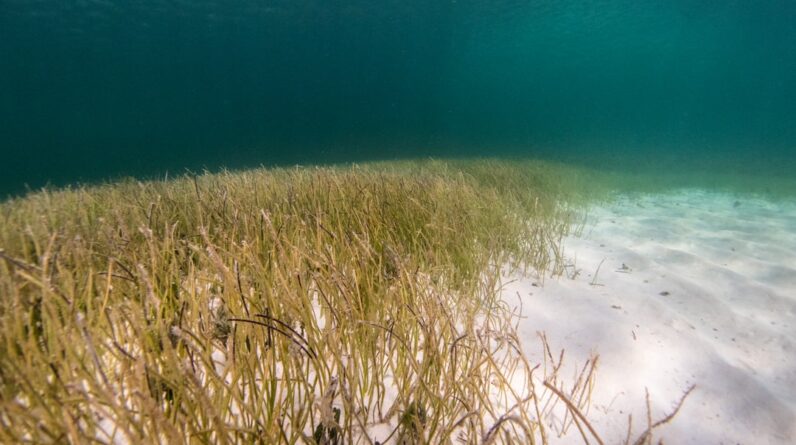
These habitats not only provide essential services like carbon sequestration but also support biodiversity and improve water quality by filtering pollutants. By participating in local conservation efforts or supporting organizations dedicated to habitat restoration, you can play a part in enhancing ocean health. Every small action counts when it comes to preserving the delicate balance of our marine ecosystems.
The Role of Phytoplankton in Oxygen Production
Phytoplankton are often referred to as the “lungs of the Earth,” and for good reason. These tiny organisms are responsible for producing a significant portion of the world’s oxygen through photosynthesis. As you learn more about phytoplankton, you’ll discover that they thrive in nutrient-rich waters where sunlight penetrates.
Their ability to convert carbon dioxide into oxygen not only supports marine life but also helps regulate atmospheric gases. Understanding their role emphasizes the importance of maintaining healthy ocean environments where phytoplankton can flourish. However, phytoplankton populations are vulnerable to changes in their environment.
Factors such as rising sea temperatures and acidification can disrupt their growth and productivity. When phytoplankton populations decline, so does oxygen production, creating a feedback loop that exacerbates existing problems in ocean health. By recognizing the significance of these organisms, you can appreciate why protecting their habitats is crucial for sustaining both marine ecosystems and global oxygen levels.
Understanding Ocean Oxygen Cycles

The cycling of oxygen in the ocean is a complex process influenced by various physical and biological factors. As you delve into this topic, you’ll find that oxygen enters the ocean primarily through two mechanisms: diffusion from the atmosphere and photosynthesis by marine plants like phytoplankton. Once dissolved in seawater, oxygen is utilized by marine organisms for respiration, creating a dynamic balance between production and consumption.
In addition to biological processes, physical factors such as ocean currents play a vital role in distributing oxygen throughout different layers of the ocean. These currents help transport oxygen-rich surface waters to deeper regions where it is needed by various marine species. However, changes in temperature and salinity can disrupt these currents, leading to localized areas with low oxygen levels.
Understanding these cycles highlights the intricate relationships within marine ecosystems and underscores the importance of maintaining healthy oceans for sustaining life.
Impact of Climate Change on Ocean Oxygen
Climate change poses a significant threat to ocean oxygen levels through various mechanisms. As global temperatures rise, warmer waters lead to decreased solubility of oxygen in seawater, resulting in lower overall oxygen availability for marine organisms. This phenomenon is particularly concerning for species that inhabit warmer regions or rely on specific temperature ranges for survival.
As you consider these impacts, think about how climate change not only affects weather patterns but also has cascading effects on marine ecosystems. Additionally, climate change contributes to ocean acidification—a process that occurs when excess carbon dioxide from the atmosphere dissolves in seawater. Acidification can hinder the growth of phytoplankton and other calcifying organisms, further reducing oxygen production capabilities.
The interplay between rising temperatures and acidification creates a challenging environment for marine life, leading to potential declines in biodiversity and ecosystem stability. Recognizing these connections emphasizes the urgency of addressing climate change as part of efforts to preserve ocean health.
How Individuals Can Help Preserve Ocean Oxygen Levels
While the challenges facing ocean oxygen levels may seem daunting, there are numerous ways you can contribute to their preservation on an individual level. One impactful action is reducing your carbon footprint by adopting more sustainable lifestyle choices. This could include using public transportation, reducing energy consumption at home, or supporting renewable energy initiatives.
By lowering greenhouse gas emissions, you can help mitigate climate change’s effects on ocean health. Moreover, advocating for policies that protect marine environments is crucial for preserving ocean oxygen levels. Engaging with local conservation groups or participating in community clean-up events can raise awareness about the importance of healthy oceans and encourage collective action toward sustainability.
Every effort counts—whether it’s reducing plastic use or supporting sustainable seafood practices—your choices can make a difference in ensuring that future generations inherit a thriving ocean ecosystem rich in oxygen and biodiversity. In conclusion, understanding the importance of ocean oxygen and its intricate relationship with marine ecosystems is essential for fostering a sustainable future. By recognizing the factors affecting oxygen levels and actively participating in solutions, you can play a vital role in preserving this precious resource for all living beings on Earth.
If you’re interested in learning more about environmental conservation efforts, you may want to check out this article on preventing floods by massive tree planting. It discusses the importance of planting trees to help prevent flooding and protect our environment. This article complements the information in “Ocean Oxygen for Dummies: Everything You Need to Know in 5 Minutes” by highlighting another crucial aspect of environmental stewardship. Additionally, you may also find the article on stopping forest burning to save trees and animals to be informative and relevant to your interests.
FAQs
What is ocean oxygen?
Ocean oxygen refers to the dissolved oxygen present in the Earth’s oceans. It is essential for the survival of marine life, as many organisms rely on oxygen for respiration.
Why is ocean oxygen important?
Ocean oxygen is crucial for the survival of marine organisms, including fish, shellfish, and other aquatic animals. It also plays a key role in regulating biogeochemical cycles and the overall health of marine ecosystems.
How is ocean oxygen produced?
Ocean oxygen is primarily produced through photosynthesis by marine plants, such as phytoplankton and seaweed. These plants use sunlight to convert carbon dioxide and water into oxygen and organic compounds.
What factors can lead to a decrease in ocean oxygen levels?
Factors that can lead to a decrease in ocean oxygen levels include pollution, nutrient runoff, and climate change. These can result in the growth of oxygen-depleting algae blooms and the expansion of oxygen minimum zones in the ocean.
What are the consequences of low ocean oxygen levels?
Low ocean oxygen levels, also known as hypoxia, can lead to the death of marine organisms and the disruption of marine food webs. It can also result in the expansion of dead zones, where marine life cannot survive.
How can we help maintain healthy ocean oxygen levels?
To help maintain healthy ocean oxygen levels, it is important to reduce pollution and nutrient runoff into the oceans. Additionally, addressing climate change and supporting marine conservation efforts can also help protect ocean oxygen levels.