As you delve into the pressing issues of climate change, you may find yourself increasingly aware of the critical role that carbon sequestration plays in mitigating its effects. Carbon sequestration refers to the process of capturing and storing atmospheric carbon dioxide (CO2) to reduce the greenhouse gases that contribute to global warming. One of the most effective methods of carbon sequestration is reforestation, which involves planting trees in areas where forests have been cut down or degraded.
This natural process not only helps to absorb CO2 but also restores ecosystems, enhances biodiversity, and supports local communities. Understanding the significance of reforestation in the context of carbon sequestration is essential for anyone interested in environmental sustainability. As you explore this topic, you will discover how trees act as carbon sinks, absorbing CO2 during photosynthesis and storing it in their biomass and the soil.
The urgency of implementing reforestation initiatives has never been more pronounced, as deforestation continues to threaten our planet’s health. By engaging with reforestation efforts, you can contribute to a more sustainable future while also reaping numerous environmental and economic benefits.
Key Takeaways
- Reforestation plays a crucial role in carbon sequestration, helping to mitigate climate change by capturing and storing carbon dioxide from the atmosphere.
- Reforestation not only helps to restore ecosystems and biodiversity, but also provides important environmental benefits such as soil conservation, water quality improvement, and air purification.
- Businesses can benefit economically from carbon sequestration through reforestation by participating in carbon offset programs, enhancing their corporate social responsibility, and gaining access to new markets and customers.
- Businesses can play a significant role in reforestation efforts by investing in tree planting initiatives, supporting sustainable supply chains, and engaging in partnerships with environmental organizations.
- Successful case studies of businesses implementing reforestation projects demonstrate the potential for positive environmental and economic impacts, as well as the importance of collaboration and innovation in achieving reforestation goals.
The Environmental Benefits of Reforestation
Reforestation offers a multitude of environmental benefits that extend far beyond carbon sequestration. When you consider the restoration of forests, you are also looking at the revival of ecosystems that support a diverse range of flora and fauna. Healthy forests provide habitats for countless species, many of which are endangered due to habitat loss.
By participating in or supporting reforestation projects, you are playing a vital role in preserving biodiversity and ensuring that ecosystems remain resilient in the face of climate change. Moreover, reforestation contributes to improved air and water quality. Trees act as natural filters, absorbing pollutants and releasing oxygen, which enhances the overall health of the atmosphere.
Additionally, forests play a crucial role in regulating water cycles by maintaining soil moisture and reducing runoff. This is particularly important in areas prone to flooding or drought. As you engage with reforestation efforts, you are not only helping to combat climate change but also fostering healthier ecosystems that benefit both wildlife and human populations.
The Economic Benefits of Carbon Sequestration Through Reforestation
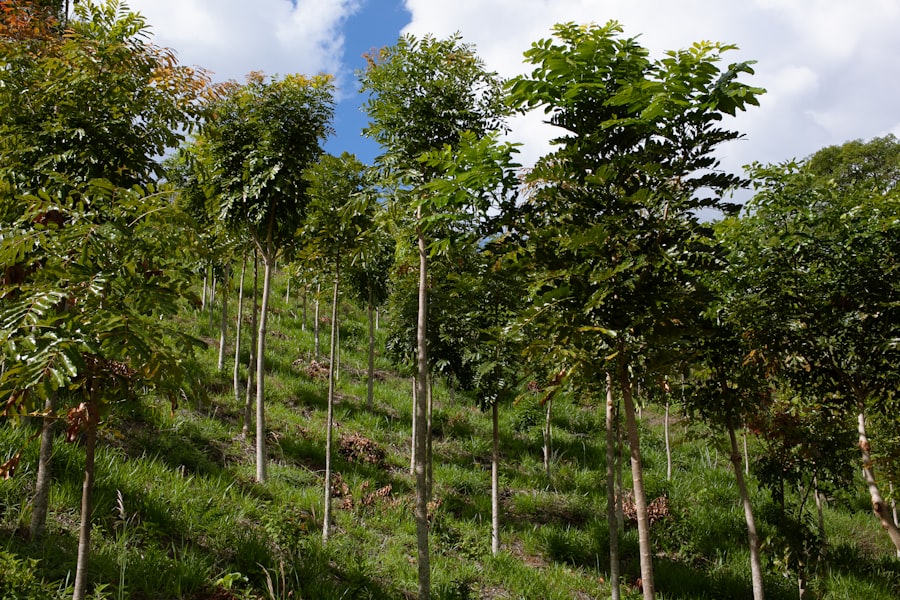
The economic advantages of carbon sequestration through reforestation are significant and multifaceted. When you consider the potential for job creation, it becomes clear that reforestation initiatives can stimulate local economies. Planting and maintaining trees require labor, which can provide employment opportunities for communities that may be struggling economically.
This is especially true in rural areas where traditional industries may be declining. By investing in reforestation, you are not only contributing to environmental sustainability but also supporting livelihoods. In addition to job creation, reforestation can lead to increased property values and tourism opportunities.
As forests are restored, they can attract visitors seeking outdoor experiences such as hiking, birdwatching, and eco-tourism. This influx of tourists can provide a significant boost to local economies. Furthermore, businesses that prioritize sustainability may find that their commitment to reforestation enhances their brand image and attracts environmentally conscious consumers.
By recognizing the economic potential of reforestation, you can advocate for policies and practices that align with both environmental and economic goals.
The Role of Businesses in Reforestation Efforts
Businesses have a crucial role to play in advancing reforestation efforts, particularly as consumers increasingly demand sustainable practices. As you observe the corporate landscape, you may notice a growing trend among companies to integrate environmental responsibility into their business models. This shift is not merely a response to consumer preferences; it is also a recognition of the long-term benefits that come from investing in sustainable practices.
By participating in reforestation projects, businesses can offset their carbon emissions while simultaneously contributing to the health of the planet. Moreover, businesses can leverage their resources and expertise to support large-scale reforestation initiatives. Whether through direct investment or partnerships with non-profit organizations, companies can help fund tree planting efforts and restoration projects.
As you consider the impact of corporate involvement in reforestation, it becomes evident that collaboration between businesses and environmental organizations can lead to innovative solutions that benefit both parties. By championing reforestation as a core aspect of their operations, businesses can demonstrate their commitment to sustainability while also enhancing their competitive edge.
Case Studies: Businesses Successfully Implementing Reforestation Projects
Examining successful case studies can provide valuable insights into how businesses are effectively implementing reforestation projects. One notable example is a global coffee company that has committed to planting millions of trees in coffee-growing regions around the world. By partnering with local farmers and organizations, this company not only offsets its carbon footprint but also supports sustainable agricultural practices that enhance soil health and biodiversity.
As you explore this case study, you will see how corporate responsibility can align with environmental stewardship. Another inspiring example comes from a technology firm that has launched an initiative to restore degraded forests in partnership with local communities. This company has invested in training programs for community members, empowering them to take part in tree planting and maintenance efforts.
By fostering local engagement and providing economic incentives, this business has created a model for sustainable reforestation that benefits both the environment and the community. These case studies illustrate how businesses can lead by example, demonstrating that profitability and sustainability can go hand in hand.
Challenges and Barriers to Reforestation as a Business Strategy

Despite the numerous benefits associated with reforestation, there are challenges and barriers that businesses must navigate when adopting this strategy. One significant hurdle is the initial cost associated with planting and maintaining trees. As you consider this aspect, it becomes clear that while reforestation offers long-term benefits, the upfront investment can be daunting for some companies.
This financial barrier may deter businesses from pursuing reforestation initiatives, particularly smaller enterprises with limited resources. Additionally, there are logistical challenges related to land access and management. In many regions, land ownership issues can complicate reforestation efforts, making it difficult for businesses to secure the necessary space for planting trees.
Furthermore, ensuring the survival and growth of newly planted trees requires ongoing maintenance and monitoring, which can be resource-intensive. As you reflect on these challenges, it is essential to recognize that overcoming them often requires collaboration between businesses, governments, and local communities to create effective solutions.
Government Incentives and Policies Supporting Reforestation Initiatives
Government support plays a pivotal role in facilitating reforestation initiatives and encouraging businesses to engage in sustainable practices. As you explore this topic, you will find that various policies and incentives exist to promote reforestation efforts at both national and local levels. For instance, tax breaks or grants for companies that invest in tree planting can significantly reduce financial barriers and encourage participation in reforestation projects.
Moreover, governments can establish regulations that require businesses to offset their carbon emissions through initiatives like reforestation. By creating a legal framework that prioritizes environmental sustainability, governments can drive corporate engagement in reforestation efforts. As you consider the impact of these policies, it becomes evident that collaboration between public and private sectors is essential for fostering a culture of sustainability that benefits both the economy and the environment.
The Future of Carbon Sequestration Through Reforestation
As you reflect on the future of carbon sequestration through reforestation, it is clear that this approach holds immense potential for addressing climate change while simultaneously providing economic benefits. The growing awareness of environmental issues has prompted individuals, businesses, and governments alike to recognize the importance of restoring our planet’s forests. By engaging with reforestation initiatives, you have the opportunity to contribute to a more sustainable future for generations to come.
Looking ahead, it is crucial for all stakeholders—individuals, businesses, and governments—to collaborate on innovative solutions that promote reforestation as a viable strategy for carbon sequestration. By sharing knowledge, resources, and best practices, we can create a collective impact that transcends borders and fosters global sustainability. As you consider your role in this movement, remember that every effort counts; whether through direct involvement or advocacy for supportive policies, your actions can help shape a healthier planet for all.
In a related article titled Why Is Planting Trees Bad for the Environment?, the potential negative impacts of increased tree planting on the world’s ecosystems are explored. While reforestation is often touted as a solution to combatting global warming, this article delves into the complexities of planting trees at a massive scale and the unintended consequences it may have on biodiversity and ecosystem balance. It serves as a thought-provoking counterpoint to the business case for carbon sequestration through reforestation, highlighting the importance of considering all aspects of environmental conservation efforts.
FAQs
What is carbon sequestration through reforestation?
Carbon sequestration through reforestation is the process of capturing and storing carbon dioxide from the atmosphere by planting and growing trees. Trees absorb carbon dioxide during photosynthesis and store it in their biomass and in the soil, helping to mitigate climate change.
What is the business case for carbon sequestration through reforestation?
The business case for carbon sequestration through reforestation lies in the potential for companies to offset their carbon emissions by investing in reforestation projects. This can help companies meet their sustainability goals, comply with regulations, and enhance their corporate social responsibility efforts.
How does carbon sequestration through reforestation benefit businesses?
Carbon sequestration through reforestation can benefit businesses by providing them with a cost-effective way to offset their carbon emissions, improve their environmental performance, and enhance their brand reputation. It can also create opportunities for partnerships and collaboration with environmental organizations and local communities.
What are some financial incentives for businesses to invest in carbon sequestration through reforestation?
Financial incentives for businesses to invest in carbon sequestration through reforestation may include carbon offset credits, tax incentives, grants, and access to green financing options. These incentives can help businesses reduce their overall carbon footprint and contribute to a more sustainable future.
What are the potential risks and challenges associated with carbon sequestration through reforestation for businesses?
Potential risks and challenges for businesses investing in carbon sequestration through reforestation may include uncertainties in the long-term effectiveness of reforestation projects, regulatory changes, and the need for ongoing monitoring and maintenance of the planted trees. It is important for businesses to carefully assess these factors and develop a comprehensive strategy for managing potential risks.