


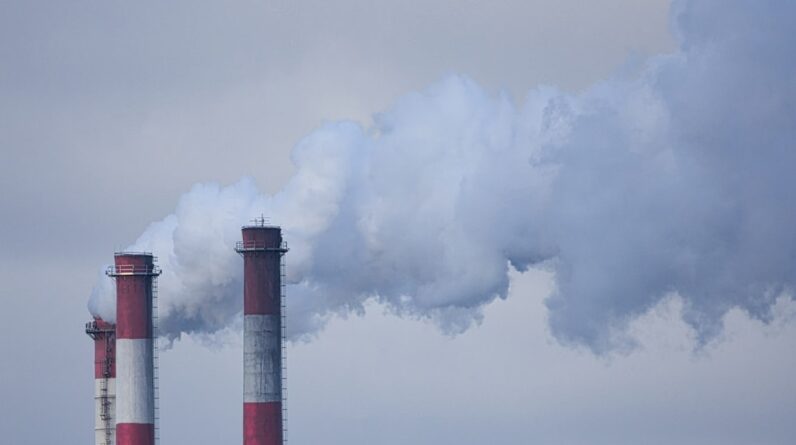
As you stand at the precipice of a new decade, the urgency of addressing climate change looms larger than ever. This critical period is not just another chapter in the ongoing narrative of environmental challenges; it represents a decisive moment for the planet. The choices made in the next ten years will significantly shape the trajectory of Earth’s climate for generations to come.
You may feel a sense of responsibility, knowing that your actions, along with those of millions around the globe, can either mitigate or exacerbate the climate crisis. The scientific consensus is clear: the window for effective action is rapidly closing. You are part of a global community that must confront the realities of rising temperatures, extreme weather events, and diminishing biodiversity.
The decisions made now will determine whether future generations inherit a livable planet or one ravaged by climate chaos. As you navigate this critical decade, it is essential to understand the multifaceted nature of climate change and the role you can play in shaping a sustainable future.
Key Takeaways
- The next decade is critical for addressing climate change and its impact on Earth’s climate.
- Human activity, such as burning fossil fuels and deforestation, is a major contributor to climate change.
- Urgent action is needed in the next decade to mitigate the effects of climate change and prevent irreversible damage.
- Global cooperation is essential in tackling climate change, as it is a global issue that requires collective effort.
- Inaction in the next decade could lead to devastating consequences for the planet and future generations.
The Impact of Human Activity on Climate Change
Human activity has been a significant driver of climate change, and you may find it alarming to consider just how deeply intertwined your daily life is with this global issue. From the burning of fossil fuels for energy to deforestation for agriculture, every action contributes to the accumulation of greenhouse gases in the atmosphere. You might not realize it, but even your choices—such as the type of transportation you use or the products you buy—have far-reaching implications for the environment.
The industrial revolution marked a turning point in human history, but it also set in motion a series of events that have led to unprecedented levels of carbon dioxide and other greenhouse gases. As you reflect on your own lifestyle, consider how much energy you consume and how it impacts the planet. The rise in global temperatures is not just a statistic; it translates into melting ice caps, rising sea levels, and increasingly severe weather patterns that affect communities worldwide.
Understanding this connection can empower you to make more informed choices that contribute to a healthier planet.
The Urgency of Addressing Climate Change in the Next Decade

The next decade is often referred to as a “last chance” for meaningful action against climate change, and you may feel the weight of this urgency pressing upon you. Scientists warn that if global warming exceeds 1.5 degrees Celsius above pre-industrial levels, the consequences could be catastrophic. This threshold is not merely an abstract figure; it represents a tipping point beyond which the effects of climate change could become irreversible.
As you consider your role in this crisis, it becomes clear that immediate action is essential. You might wonder what steps can be taken to address this pressing issue effectively. The answer lies in a combination of policy changes, technological advancements, and shifts in societal behavior.
Governments, businesses, and individuals must work together to reduce emissions, transition to renewable energy sources, and promote sustainable practices. The urgency of this moment calls for bold leadership and innovative solutions that can pave the way for a more sustainable future. Your engagement in these efforts can make a significant difference.
The Role of Global Cooperation in Tackling Climate Change
In an increasingly interconnected world, global cooperation is paramount in addressing climate change. You may recognize that no single nation can tackle this issue alone; it requires a concerted effort from all corners of the globe. International agreements like the Paris Accord exemplify how countries can come together to set ambitious targets for reducing greenhouse gas emissions.
As you think about your place in this global effort, consider how collaboration can amplify individual actions into a powerful force for change. The challenges posed by climate change are not confined by borders; they affect everyone, regardless of nationality or socioeconomic status. You may feel inspired by stories of communities coming together across continents to share knowledge and resources in their fight against climate change.
This spirit of cooperation fosters innovation and encourages nations to learn from one another’s successes and failures. By supporting global initiatives and advocating for policies that prioritize environmental sustainability, you can contribute to a collective movement that transcends individual efforts.
The Potential Consequences of Inaction in the Next Decade
As you contemplate the future, it is crucial to consider the potential consequences of inaction over the next decade. The impacts of climate change are already being felt around the world, from devastating wildfires to catastrophic flooding. If significant measures are not taken soon, these events will only become more frequent and severe.
You may find it unsettling to think about how your community could be affected by rising sea levels or extreme weather patterns if decisive action is not taken. The economic implications of inaction are equally concerning. You might be aware that climate-related disasters can lead to substantial financial losses for businesses and governments alike.
The costs associated with rebuilding after natural disasters, coupled with declining agricultural yields and increased health care expenses due to pollution and heat-related illnesses, could strain economies worldwide. By recognizing these potential consequences, you can better appreciate the importance of taking proactive steps now to safeguard both people and the planet.
Promising Solutions and Innovations for Climate Change

Despite the daunting challenges posed by climate change, there is hope in the form of promising solutions and innovations that are emerging across various sectors. You may be encouraged to learn about advancements in renewable energy technologies such as solar, wind, and hydroelectric power. These clean energy sources have the potential to replace fossil fuels and significantly reduce greenhouse gas emissions.
As you explore these innovations, consider how they can be integrated into your own life—whether through adopting solar panels at home or supporting policies that promote clean energy development. In addition to renewable energy, there are numerous other strategies being developed to combat climate change. Carbon capture technology aims to remove CO2 from the atmosphere and store it safely underground, while reforestation efforts seek to restore ecosystems that have been damaged by human activity.
You might also be intrigued by sustainable agriculture practices that prioritize soil health and biodiversity while reducing reliance on chemical fertilizers and pesticides. By staying informed about these solutions, you can become an advocate for their implementation within your community.
The Importance of Individual and Collective Action in the Last Chance Decade
As you navigate this critical decade, it is essential to recognize that both individual and collective action play vital roles in addressing climate change. While systemic changes are necessary at governmental and corporate levels, your personal choices can also contribute significantly to reducing emissions and promoting sustainability. You may find empowerment in making conscious decisions about your consumption habits—whether it’s reducing waste, choosing sustainable products, or advocating for environmental policies.
Collective action amplifies individual efforts and creates a ripple effect that can lead to meaningful change. You might consider joining local environmental groups or participating in community initiatives focused on sustainability. By collaborating with others who share your passion for protecting the planet, you can help raise awareness and inspire action within your community.
Remember that every small step counts; when combined with the efforts of others, these actions can lead to substantial progress in combating climate change.
The Future of Earth’s Climate: Hope or Despair?
As you reflect on the future of Earth’s climate, you may grapple with feelings of hope and despair. The challenges ahead are undeniably daunting, but they also present opportunities for innovation and transformation. You have the power to influence this narrative through your actions and choices.
By embracing a mindset focused on solutions rather than obstacles, you can contribute to a more sustainable future. Ultimately, the future of Earth’s climate hinges on your willingness to engage with this critical issue actively. While there are no guarantees, collective efforts can lead to positive outcomes if enough individuals commit to making a difference.
As you move forward into this pivotal decade, remember that hope is not passive; it requires action, resilience, and collaboration. By standing together with others who share your vision for a healthier planet, you can help shape a future that prioritizes sustainability and well-being for all living beings on Earth.
In a related article on Live Life with a Cause, the importance of living life with purpose and making a positive impact on the world is discussed. The article emphasizes the significance of taking action to address pressing issues such as climate change during the critical Last Chance Decade. By planting trees and supporting reforestation efforts, individuals can play a vital role in mitigating the effects of climate change and protecting the environment for future generations. To learn more about how planting trees helps combat climate change, visit