When you think of the ocean, you might envision vast expanses of water teeming with life, from the smallest plankton to the largest whales. However, beneath the surface lies a complex web of relationships that are crucial for the health of marine ecosystems. Symbiosis, a term that describes the interaction between two different organisms living in close physical proximity, plays a vital role in these underwater communities.
You may be surprised to learn that these relationships can be mutualistic, commensal, or parasitic, each contributing uniquely to the balance of marine life. In the ocean, symbiotic relationships are not just fascinating; they are essential for survival. These interactions can enhance nutrient cycling, promote biodiversity, and even influence climate regulation.
As you delve deeper into the world of symbiosis at sea, you will discover how these partnerships are intricately woven into the fabric of marine ecosystems, supporting life in ways that are often invisible yet profoundly impactful.
Key Takeaways
- Symbiosis at sea is a crucial aspect of marine ecosystems, involving mutually beneficial relationships between different species.
- Symbiotic relationships play a significant role in ocean oxygen production, contributing to the overall health of marine environments.
- Examples of symbiotic partnerships in the ocean include coral and algae, cleaner fish and larger fish, and bacteria and marine animals.
- Symbiosis is important for maintaining the balance and stability of marine ecosystems, supporting biodiversity and overall ecosystem health.
- Threats to symbiotic relationships in the ocean, such as pollution, climate change, and overfishing, pose significant risks to marine life and oxygen production.
The Role of Symbiotic Relationships in Ocean Oxygen Production
One of the most significant contributions of symbiotic relationships in the ocean is their role in oxygen production. You might be aware that phytoplankton, microscopic plants that float on the ocean’s surface, are responsible for producing a substantial portion of the Earth’s oxygen. However, what you may not realize is that many of these phytoplankton engage in symbiotic relationships with other organisms, enhancing their ability to photosynthesize and produce oxygen.
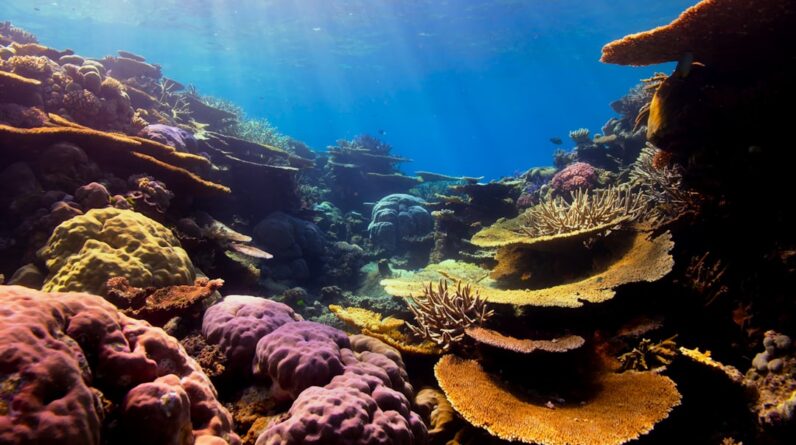
For instance, certain species of coral have a symbiotic relationship with zooxanthellae, a type of algae. These algae live within the coral’s tissues and perform photosynthesis, converting sunlight into energy. In return, the coral provides a protected environment and essential nutrients for the algae.
This partnership not only supports the coral’s growth but also contributes significantly to oxygen production in the ocean. As you consider the interconnectedness of these relationships, it becomes clear that symbiosis is a driving force behind the health of our planet’s atmosphere.
Examples of Symbiotic Partnerships in the Ocean

As you explore the ocean’s depths, you’ll encounter a myriad of fascinating symbiotic partnerships. One classic example is the relationship between clownfish and sea anemones. The clownfish finds refuge among the anemone’s stinging tentacles, which provide protection from predators.
In return, the clownfish helps to keep the anemone clean by removing debris and parasites. This mutualistic relationship showcases how two species can thrive together, each benefiting from the other’s presence. Another remarkable example is found in the relationship between cleaner fish and larger fish species.
Cleaner wrasses set up “cleaning stations” where larger fish come to have parasites and dead skin removed. This not only benefits the larger fish by improving their health but also provides a steady food source for the cleaner fish. As you observe these interactions, it becomes evident that symbiotic partnerships are not just about survival; they also foster cooperation and interdependence among diverse marine species.
The Importance of Symbiosis for Marine Ecosystems
The significance of symbiosis extends beyond individual relationships; it is fundamental to the overall health and stability of marine ecosystems. You may not realize that these partnerships contribute to nutrient cycling, habitat formation, and even climate regulation. For example, coral reefs, which are built by symbiotic relationships between corals and algae, provide critical habitats for countless marine species.
These reefs support biodiversity and serve as nurseries for fish, ensuring the continuation of various species. Moreover, symbiotic relationships can enhance resilience in marine ecosystems. When you consider how climate change and pollution threaten ocean health, it becomes clear that maintaining these partnerships is crucial for ecosystem stability.
Healthy symbiotic relationships can help mitigate some of these impacts by promoting biodiversity and enabling species to adapt to changing conditions. As you reflect on the importance of symbiosis, you will appreciate its role as a cornerstone of marine life.
Threats to Symbiotic Relationships in the Ocean
Despite their importance, symbiotic relationships in the ocean face numerous threats that jeopardize their existence. One of the most pressing issues is climate change, which leads to rising sea temperatures and ocean acidification. These changes can disrupt the delicate balance of symbiotic partnerships, particularly those involving corals and their algal partners.
You may have heard about coral bleaching, a phenomenon where stressed corals expel their zooxanthellae due to environmental changes. This not only affects the corals’ health but also has cascading effects on entire reef ecosystems. Pollution is another significant threat to symbiotic relationships in marine environments.
Nutrient runoff from agriculture can lead to algal blooms that deplete oxygen levels in the water, creating dead zones where few organisms can survive. Additionally, plastic pollution poses a direct threat to many marine species, disrupting feeding patterns and habitats. As you consider these challenges, it becomes evident that protecting symbiotic relationships is essential for maintaining healthy oceans.
The Future of Symbiosis at Sea

Looking ahead, the future of symbiosis at sea hinges on our ability to address environmental challenges and promote sustainable practices. You may wonder how we can ensure that these vital partnerships endure in an ever-changing world. One promising approach is through conservation efforts aimed at protecting critical habitats like coral reefs and mangroves.
By safeguarding these ecosystems, we can help maintain the intricate web of symbiotic relationships that thrive within them. Additionally, research into marine biology and ecology continues to shed light on how symbiotic relationships function and adapt to changing conditions. As scientists explore these dynamics, they can develop strategies to enhance resilience in marine ecosystems.
You might find it encouraging that initiatives focused on restoring damaged habitats and reducing pollution are gaining momentum worldwide. By supporting such efforts, you can play a role in securing a future where symbiosis at sea continues to flourish.
Human Impact on Symbiotic Partnerships in the Ocean
Your actions as a global citizen have far-reaching implications for symbiotic partnerships in the ocean. Human activities such as overfishing, habitat destruction, and pollution directly impact these delicate relationships. For instance, overfishing can disrupt predator-prey dynamics and lead to imbalances that affect entire ecosystems.
When key species are removed from their habitats, it can have a domino effect on other organisms that rely on them for survival. Moreover, climate change driven by human activity poses an existential threat to many marine species and their symbiotic partners. As temperatures rise and ocean chemistry changes, you may witness shifts in species distributions and altered interactions among organisms.
It is crucial to recognize that your choices—whether through consumption habits or advocacy—can influence the health of our oceans and their intricate networks of life.
The Need to Protect Symbiotic Relationships for Ocean Oxygen Production
In conclusion, understanding and protecting symbiotic relationships in the ocean is vital for maintaining not only marine biodiversity but also global oxygen production. As you reflect on the interconnectedness of life beneath the waves, consider how these partnerships contribute to a healthy planet. The intricate dance between organisms—whether it’s clownfish and anemones or corals and algae—underscores the importance of cooperation in nature.
As stewards of our environment, it is your responsibility to advocate for policies that protect marine ecosystems and promote sustainable practices. By raising awareness about the significance of symbiosis at sea and supporting conservation efforts, you can help ensure that these vital relationships endure for generations to come. The future of our oceans depends on your commitment to safeguarding the delicate balance of life that thrives beneath the surface.
In a related article discussing the importance of trees in combating climate change, Advantages of Planting Trees for Climate Change highlights the crucial role that trees play in absorbing carbon dioxide and producing oxygen. Just like the symbiotic relationships that power ocean oxygen production, trees also form partnerships with other organisms to maintain a healthy ecosystem. This article emphasizes the need to stop forest burning and increase tree planting efforts to protect both trees and animals. However, it also raises concerns about the potential unbalancing of the world’s ecosystems if tree planting is not done strategically.
FAQs
What is symbiosis in the context of ocean ecosystems?
Symbiosis in ocean ecosystems refers to the close and often long-term interaction between different species, where both partners benefit from the relationship. This can include mutualistic relationships, where both species benefit, as well as commensalistic and parasitic relationships.
How do partnerships in the ocean contribute to the production of oxygen?
Partnerships in the ocean, such as the relationship between phytoplankton and bacteria, play a crucial role in the production of oxygen through processes like photosynthesis. Phytoplankton produce oxygen as a byproduct of photosynthesis, and certain bacteria help recycle nutrients that phytoplankton need to thrive, contributing to the overall oxygen production in the ocean.
What are some examples of symbiotic partnerships in the ocean?
Examples of symbiotic partnerships in the ocean include the relationship between coral and zooxanthellae, where the zooxanthellae provide energy through photosynthesis to the coral, and the coral provides a protected environment for the zooxanthellae. Another example is the partnership between certain species of fish and cleaner shrimp, where the shrimp remove parasites and dead tissue from the fish, benefiting both partners.
How do these partnerships impact the overall health of ocean ecosystems?
Symbiotic partnerships play a crucial role in maintaining the balance and health of ocean ecosystems. They contribute to nutrient cycling, waste removal, and overall ecosystem resilience. These partnerships also support the diversity and productivity of marine life, ultimately contributing to the overall health of the ocean.