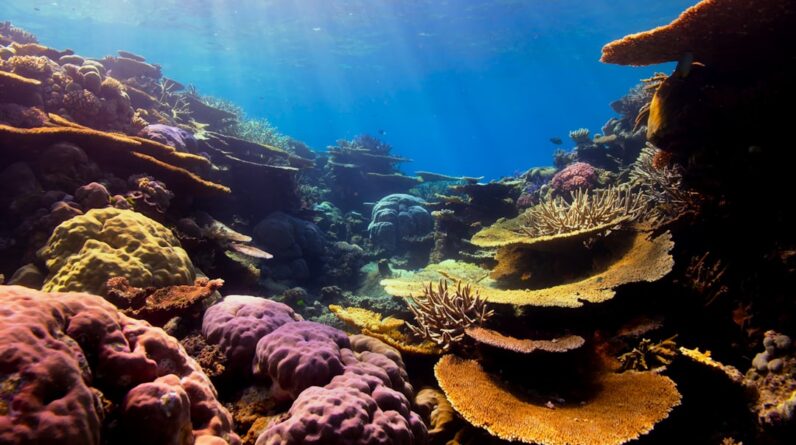
When you think about vacationing, the first images that come to mind might be sun-soaked beaches, vibrant coral reefs, and the soothing sound of waves lapping against the shore. However, it’s essential to recognize that your travel choices can significantly impact ocean ecosystems, particularly concerning oxygen levels. The oceans are responsible for producing a substantial portion of the Earth’s oxygen, primarily through phytoplankton, which thrive in healthy marine environments.
Unfortunately, human activities, including tourism, can disrupt these delicate ecosystems, leading to a decrease in oxygen production and contributing to larger environmental issues. As you plan your next getaway, consider how your actions might affect ocean health. For instance, increased boat traffic can lead to pollution and habitat destruction, while coastal development can result in the loss of vital marine habitats.
Additionally, the carbon emissions associated with air travel contribute to climate change, which further exacerbates ocean deoxygenation. By understanding these impacts, you can make more informed choices that help protect the oceans and their vital role in sustaining life on Earth.
Key Takeaways
- Vacationing can have a negative impact on ocean oxygen levels due to carbon emissions and pollution.
- Choose eco-friendly accommodations and transportation options to reduce your vacation’s impact on the environment.
- Minimize single-use plastics and waste by bringing reusable items and properly disposing of trash.
- Support sustainable tourism practices by choosing responsible tour operators and activities.
- Participate in ocean conservation activities such as beach clean-ups and coral reef restoration projects during your vacation.
- Educate yourself and others about ocean oxygen depletion and its effects on marine life.
- Engage in responsible water activities such as snorkeling and diving to minimize disturbance to marine ecosystems.
- Offset your vacation footprint by purchasing carbon credits or making donations to environmental organizations.
Choosing Eco-Friendly Accommodations and Transportation
When it comes to planning your vacation, selecting eco-friendly accommodations is a crucial step in minimizing your environmental footprint. Look for hotels or lodges that prioritize sustainability by implementing energy-efficient practices, using renewable energy sources, and supporting local communities. Many eco-friendly establishments also focus on reducing water usage and waste production, which can significantly lessen their impact on the surrounding environment.
By choosing to stay at these types of accommodations, you not only contribute to the preservation of natural resources but also support businesses that are committed to sustainable practices. Transportation is another critical aspect of your travel plans that can either harm or help the environment. Opting for public transportation, biking, or walking instead of renting a car can significantly reduce your carbon emissions during your trip.
If you must fly, consider booking direct flights whenever possible, as takeoffs and landings are the most fuel-intensive parts of a flight. Additionally, some airlines offer carbon offset programs that allow you to contribute to projects aimed at reducing greenhouse gas emissions. By making conscious choices about how you travel, you can enjoy your vacation while also being a responsible steward of the planet.
Minimizing Single-Use Plastics and Waste

As you embark on your vacation adventures, one of the most impactful changes you can make is to minimize your use of single-use plastics. These items, such as plastic bags, straws, and water bottles, contribute significantly to ocean pollution and pose a severe threat to marine life. Instead of relying on disposable products, consider investing in reusable alternatives.
A sturdy water bottle can keep you hydrated while reducing plastic waste, and reusable shopping bags can help you carry souvenirs without contributing to the plastic problem. Moreover, being mindful of your waste production during your travels is essential. Make an effort to recycle whenever possible and dispose of waste responsibly.
Many tourist destinations have recycling programs in place; familiarize yourself with these options to ensure that your waste is handled appropriately. By taking these small steps, you can significantly reduce your environmental impact and help protect the oceans from further degradation.
Supporting Sustainable Tourism Practices
Supporting sustainable tourism practices is vital for preserving the natural beauty and ecological integrity of the destinations you visit. When planning your trip, seek out tour operators and activities that prioritize environmental conservation and community engagement. Many organizations offer eco-tours that educate travelers about local ecosystems while promoting responsible wildlife viewing and habitat protection.
By choosing these experiences over traditional tourism options, you contribute to a more sustainable model that benefits both the environment and local communities. Additionally, consider spending your travel dollars at businesses that are committed to sustainability. This includes dining at restaurants that source ingredients locally or purchasing souvenirs from artisans who use sustainable materials.
By supporting these enterprises, you help create a demand for responsible tourism practices and encourage others in the industry to follow suit. Your choices as a traveler can drive positive change in the tourism sector and help protect the oceans for future generations.
Participating in Ocean Conservation Activities
One of the most rewarding ways to make a difference during your vacation is by participating in ocean conservation activities. Many coastal destinations offer volunteer opportunities that allow you to engage directly with local conservation efforts. Whether it’s participating in beach cleanups, helping with coral reef restoration projects, or assisting in marine wildlife surveys, these activities provide a unique chance to connect with nature while contributing to its preservation.
In addition to hands-on volunteer work, consider joining guided eco-tours that focus on conservation education. These tours often include discussions about local marine ecosystems and the challenges they face due to climate change and pollution. By immersing yourself in these experiences, you not only gain valuable knowledge but also inspire others around you to take action for ocean conservation.
Educating Yourself and Others about Ocean Oxygen Depletion

As a traveler who cares about the environment, educating yourself about ocean oxygen depletion is crucial for understanding the broader implications of your actions. Research the factors contributing to this issue, such as nutrient pollution from agricultural runoff and climate change-induced warming. By arming yourself with knowledge, you can engage in meaningful conversations with fellow travelers and locals about the importance of protecting our oceans.
Sharing what you learn with others is equally important. Whether through social media posts or casual conversations with friends and family, spreading awareness about ocean health can inspire others to take action as well. Consider organizing informational sessions or discussions within your community or travel group to foster a collective understanding of ocean conservation issues.
The more people who are informed about the challenges facing our oceans, the greater the potential for collective action toward solutions.
Engaging in Responsible Water Activities
Water activities are often a highlight of any beach vacation; however, it’s essential to engage in them responsibly to protect marine ecosystems. If you enjoy snorkeling or diving, choose operators who follow sustainable practices and respect marine life. Avoid touching coral reefs or disturbing wildlife; instead, observe from a distance to minimize your impact on these fragile ecosystems.
If you’re interested in boating or kayaking, be mindful of where you navigate. Stick to designated channels and avoid shallow areas where propellers can damage seagrass beds or coral reefs. Additionally, be aware of local regulations regarding wildlife interactions; many areas have strict guidelines in place to protect endangered species and their habitats.
By practicing responsible water activities, you can enjoy the beauty of the ocean while ensuring its preservation for future generations.
Offsetting Your Vacation Footprint through Carbon Credits or Donations
Finally, as you reflect on your vacation choices, consider offsetting your carbon footprint through carbon credits or donations to environmental organizations focused on ocean conservation. Carbon credits allow you to invest in projects that reduce greenhouse gas emissions elsewhere, effectively balancing out the impact of your travel-related emissions. Many reputable organizations offer programs that support renewable energy initiatives or reforestation efforts.
Alternatively, consider making direct donations to marine conservation groups working tirelessly to protect ocean ecosystems from threats like pollution and climate change. Your contributions can help fund research initiatives, habitat restoration projects, and educational programs aimed at raising awareness about ocean health. By taking these steps to offset your vacation footprint, you not only mitigate your impact but also contribute positively to the preservation of our oceans.
In conclusion, as you embark on your next vacation adventure, remember that every choice you make has an impact on ocean health and overall environmental sustainability. By understanding the effects of vacationing on ocean oxygen levels and making conscious decisions regarding accommodations, transportation, waste management, and tourism practices, you can play an active role in protecting our planet’s precious marine ecosystems. Engaging in conservation activities and educating yourself and others further amplifies your positive influence while allowing you to enjoy all that our beautiful oceans have to offer responsibly.
If you are interested in learning more about the impact of planting trees on the environment, you may want to check out the article Why Is Planting Trees Bad for the Environment?. This article discusses the potential disadvantages of planting trees for climate change and how reforestation efforts may not always have the positive impact on the environment that we expect. Understanding the complexities of tree planting and its effects on the environment can help us make more informed decisions about how we can best protect our planet.
FAQs
What is ocean oxygen?
Ocean oxygen refers to the dissolved oxygen present in the Earth’s oceans, which is essential for the survival of marine life. It is produced through photosynthesis by marine plants and phytoplankton, and is crucial for the health of ocean ecosystems.
How do human activities impact ocean oxygen levels?
Human activities such as pollution, climate change, and overfishing can have a negative impact on ocean oxygen levels. For example, excess nutrients from agricultural runoff and sewage can lead to algal blooms, which deplete oxygen levels when the algae die and decompose. Climate change can also lead to ocean warming and acidification, which can affect the ability of marine organisms to produce oxygen.
How can travelers reduce their vacation footprint on ocean oxygen?
Travelers can reduce their vacation footprint on ocean oxygen by choosing eco-friendly transportation options, minimizing plastic waste, and supporting sustainable tourism practices. Additionally, being mindful of the products they use and the activities they engage in while on vacation can help minimize their impact on ocean oxygen levels.
What are some eco-friendly activities travelers can engage in to protect ocean oxygen?
Travelers can engage in eco-friendly activities such as snorkeling or diving responsibly, participating in beach clean-ups, and supporting local conservation efforts. Additionally, choosing accommodations and tour operators that prioritize environmental sustainability can also help protect ocean oxygen levels.