


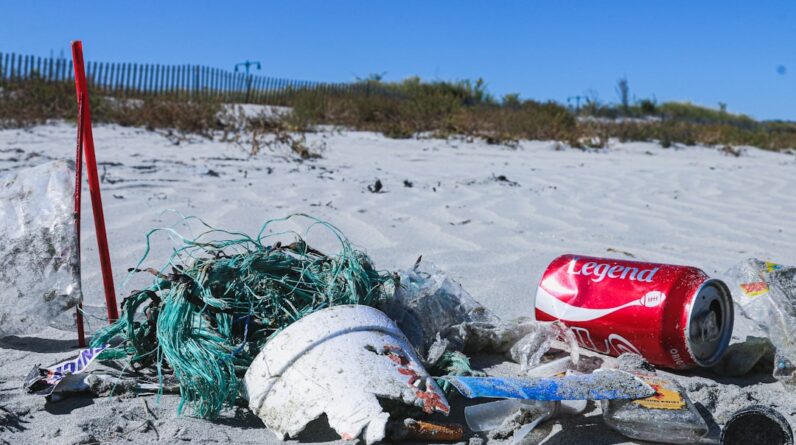
Microplastics have emerged as a significant environmental concern in recent years, capturing the attention of scientists, policymakers, and the general public alike. These tiny plastic particles, typically measuring less than five millimeters in diameter, originate from various sources, including the breakdown of larger plastic debris and the shedding of synthetic fibers from clothing. As you navigate through your daily life, you may not realize just how pervasive microplastics have become, infiltrating ecosystems, food chains, and even the air you breathe.
Understanding the nature and implications of microplastics is crucial for fostering a more sustainable future. The term “microplastics” encompasses a wide range of plastic materials, including primary microplastics, which are manufactured at a small size for specific applications, and secondary microplastics, which result from the degradation of larger plastic items. As you consider the impact of these particles, it becomes evident that their presence is not merely an aesthetic issue; it poses serious risks to both environmental health and human well-being.
The journey of microplastics from their origins to their eventual fate in the environment is a complex narrative that underscores the urgent need for awareness and action.
Key Takeaways
- Microplastics are tiny plastic particles that are less than 5mm in size and are a growing concern for the environment.
- Microplastics have a significant impact on the environment, affecting marine life, ecosystems, and human health.
- Recent studies have discovered microplastics in the atmosphere, raising concerns about their potential impact on air quality and climate change.
- There is a connection between microplastics and climate change, as they can act as a carrier for other pollutants and contribute to the warming of the planet.
- Microplastics enter the atmosphere through various sources such as vehicle tires, synthetic clothing, and industrial processes.
- The presence of microplastics in the atmosphere can lead to negative effects on human health, agriculture, and the environment.
- Solutions to reduce microplastics in the atmosphere include better waste management, regulations on plastic production, and promoting sustainable alternatives.
- In conclusion, it is crucial to take action to reduce the release of microplastics into the atmosphere and protect the environment for future generations.
The Impact of Microplastics on the Environment
The environmental impact of microplastics is profound and multifaceted. As you explore various ecosystems, you may notice that these tiny particles have infiltrated oceans, rivers, and even remote areas like the Arctic. Marine life is particularly vulnerable to microplastic pollution, as many aquatic organisms mistake these particles for food.
When you consider the implications of this behavior, it becomes clear that microplastics can disrupt entire food chains, leading to detrimental effects on biodiversity and ecosystem health. Moreover, microplastics can act as carriers for harmful chemicals and pollutants. When they enter water bodies, they can absorb toxic substances from their surroundings, such as pesticides and heavy metals.
As you reflect on this phenomenon, it’s alarming to realize that when marine organisms ingest microplastics, they may also be consuming these hazardous chemicals. This bioaccumulation poses risks not only to marine species but also to humans who rely on seafood as a source of nutrition. The interconnectedness of ecosystems means that the consequences of microplastic pollution extend far beyond the immediate environment.
The Discovery of Microplastics in the Atmosphere

While much attention has been focused on microplastics in oceans and terrestrial environments, recent studies have revealed their presence in the atmosphere as well. As you delve into this emerging area of research, you may find it surprising that microplastics can be found in the air you breathe. Scientists have detected these particles in urban areas, remote locations, and even in the air above pristine environments.
This discovery raises critical questions about the sources and pathways through which microplastics enter the atmosphere. The implications of airborne microplastics are significant. As you consider your daily activities, think about how these particles can be inhaled or settle on surfaces where you live and work.
The potential health effects of inhaling microplastics are still being studied, but preliminary research suggests that they could pose respiratory risks and contribute to various health issues. The realization that microplastics are not confined to water bodies but are also present in the air underscores the urgency of addressing this pervasive pollution.
The Connection Between Microplastics and Climate Change
The relationship between microplastics and climate change is complex and multifaceted. As you explore this connection, it becomes evident that microplastics contribute to climate change in several ways. For instance, plastic production is a significant source of greenhouse gas emissions.
The extraction and processing of fossil fuels for plastic manufacturing release carbon dioxide and other pollutants into the atmosphere. By understanding this link, you can appreciate how reducing plastic consumption can also mitigate climate change. Additionally, microplastics can influence climate systems through their interactions with atmospheric processes.
Research indicates that these particles can affect cloud formation and precipitation patterns. As you contemplate the broader implications of climate change, consider how microplastics may exacerbate existing environmental challenges. The interplay between plastic pollution and climate change highlights the need for integrated solutions that address both issues simultaneously.
How Microplastics Enter the Atmosphere
Microplastics enter the atmosphere through various pathways, many of which are linked to human activities. As you reflect on your daily life, consider how activities such as industrial processes, waste incineration, and even everyday actions like washing synthetic clothing contribute to airborne microplastic pollution. When plastics are manufactured or processed, tiny particles can be released into the air, where they can be transported over long distances by wind currents.
Another significant source of atmospheric microplastics is the degradation of larger plastic items. As these items break down due to exposure to sunlight and environmental conditions, they release microplastic particles into the air. You might not realize that even seemingly innocuous activities like driving or using synthetic materials can contribute to this problem.
Understanding how microplastics enter the atmosphere is essential for developing effective strategies to reduce their prevalence.
The Effects of Microplastics Raining From the Sky
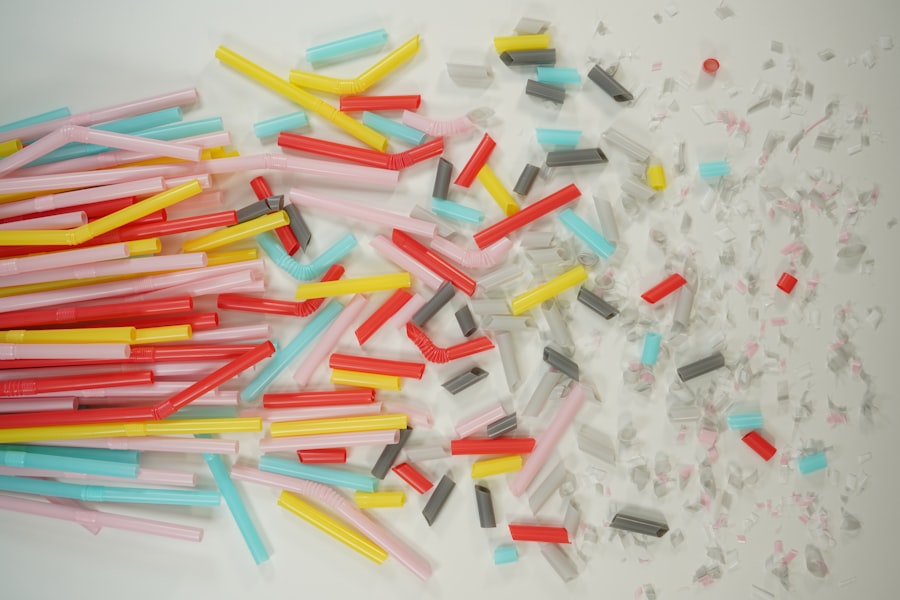
The phenomenon of microplastics falling from the sky is a concerning reality that has garnered increasing attention from researchers. As you consider this issue, think about how rainwater can carry these tiny particles from the atmosphere back to the ground. Studies have shown that microplastics can be found in precipitation samples collected from various locations around the world.
This process not only contributes to soil contamination but also affects freshwater systems. When microplastics settle on land or water bodies through rainfall, they can have detrimental effects on ecosystems. As you ponder this impact, consider how these particles can alter soil composition and affect plant growth.
Additionally, when they enter freshwater systems, they pose risks to aquatic life and can disrupt local food webs. The cascading effects of microplastics raining from the sky highlight the urgent need for comprehensive strategies to address this pervasive issue.
Solutions to Reduce Microplastics in the Atmosphere
Addressing the challenge of microplastics in the atmosphere requires a multifaceted approach that involves individuals, communities, industries, and governments. As you think about potential solutions, consider how reducing plastic consumption in your own life can make a difference. Simple actions like opting for reusable bags, choosing natural fibers over synthetic ones, and supporting businesses that prioritize sustainability can collectively contribute to reducing plastic waste.
On a larger scale, policies aimed at regulating plastic production and promoting recycling initiatives are essential for tackling this issue effectively. Governments can implement stricter regulations on plastic manufacturing processes and encourage research into alternative materials that are less harmful to the environment. Additionally, raising public awareness about the impact of microplastics can empower individuals to make informed choices that contribute to a cleaner atmosphere.
Conclusion and Call to Action
In conclusion, the issue of microplastics is a pressing environmental challenge that demands immediate attention and action. As you reflect on what you’ve learned about their impact on ecosystems, human health, and climate change, it becomes clear that collective efforts are necessary to combat this pervasive pollution. You have the power to make a difference by adopting sustainable practices in your daily life and advocating for policies that prioritize environmental protection.
Now is the time to take action—whether it’s reducing your plastic consumption or supporting initiatives aimed at cleaning up our planet’s air and water. By raising awareness within your community and encouraging others to join the fight against plastic pollution, you can help create a healthier environment for future generations. Together, we can work towards a world free from the harmful effects of microplastics and foster a more sustainable future for all living beings on our planet.
A related article to “The Microplastics Raining From the Sky Have a Climate Connection” is