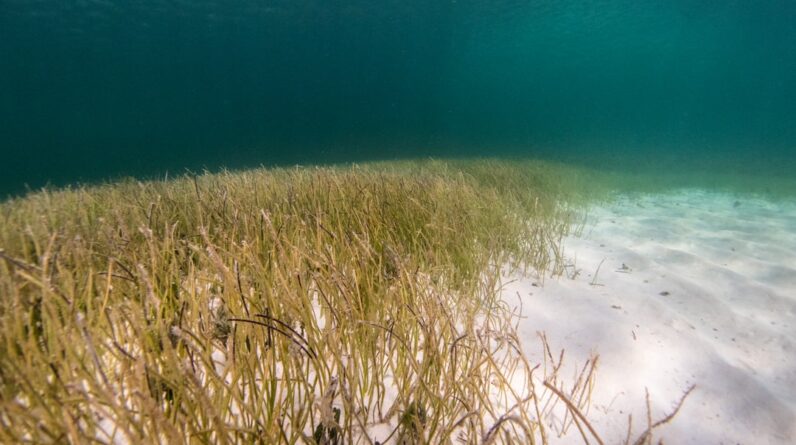
When you think about the air you breathe, it’s easy to overlook the vast oceans that play a crucial role in producing the oxygen essential for life on Earth. The oceans cover more than 70% of the planet’s surface and are a significant source of the oxygen that fills your lungs. In fact, it is estimated that around 50% to 80% of the oxygen in the atmosphere is generated by marine organisms.
This remarkable contribution is often overshadowed by terrestrial plants, yet the oceans are a powerhouse of oxygen production, primarily driven by microscopic life forms. Understanding oceanic oxygen is not just about recognizing its importance; it’s also about appreciating the intricate systems that sustain it. The oceans are dynamic environments where various biological, chemical, and physical processes interact to maintain oxygen levels.
As you delve deeper into this topic, you will discover how these processes are interconnected and how they impact not only marine ecosystems but also the health of our planet as a whole. The balance of oxygen in the oceans is a delicate one, influenced by numerous factors, including climate change, pollution, and human activity.
Key Takeaways
- Oceanic oxygen is essential for marine life and has a direct impact on human dependence on the ocean.
- Phytoplankton play a crucial role in oxygen production through photosynthesis, contributing significantly to the Earth’s oxygen supply.
- Ocean circulation plays a key role in distributing oxygen throughout the ocean, affecting marine life and ecosystems.
- Climate change is impacting oceanic oxygen levels, leading to potential consequences for marine life and human dependence on the ocean.
- Conservation efforts are crucial for protecting and maintaining oceanic oxygen levels, which are essential for the health of marine ecosystems and human well-being.
The Role of Phytoplankton in Oxygen Production
Phytoplankton are the unsung heroes of the oceanic world, tiny organisms that float near the surface of the water and harness sunlight to produce energy through photosynthesis. As you explore their role in oxygen production, you will find that these microscopic plants are responsible for generating a significant portion of the Earth’s oxygen supply. In fact, it is estimated that phytoplankton contribute between 50% and 80% of the oxygen you breathe.
Their ability to convert carbon dioxide into oxygen not only supports marine life but also plays a vital role in regulating atmospheric gases. The process of photosynthesis in phytoplankton is influenced by various environmental factors, including light availability, nutrient levels, and water temperature. When conditions are optimal, these organisms can reproduce rapidly, leading to blooms that can be seen from space.
However, when conditions become unfavorable—due to pollution or climate change—phytoplankton populations can decline, resulting in decreased oxygen production. This delicate balance highlights the importance of maintaining healthy ocean ecosystems to ensure that these vital organisms can thrive.
Ocean Circulation and Oxygen Distribution

As you consider the vastness of the oceans, it becomes clear that ocean circulation plays a critical role in distributing oxygen throughout these waters. Ocean currents act like conveyor belts, transporting oxygen-rich water from the surface to deeper layers and ensuring that marine life at all depths has access to this essential resource. The movement of water is driven by various factors, including wind patterns, temperature gradients, and salinity differences.
Understanding these currents is crucial for grasping how oxygen is distributed across different regions of the ocean. In addition to surface currents, deep ocean circulation—often referred to as thermohaline circulation—also contributes significantly to oxygen distribution. This process involves the sinking of cold, dense water in polar regions, which then travels along the ocean floor before rising again in other areas.
This global conveyor belt not only helps distribute oxygen but also plays a vital role in regulating climate patterns. As you learn more about these complex systems, you will appreciate how interconnected they are and how disruptions in one area can have far-reaching consequences for oceanic oxygen levels.
The Impact of Climate Change on Oceanic Oxygen Levels
Climate change poses a significant threat to oceanic oxygen levels, and as you explore this topic, you will uncover the various ways in which rising temperatures and changing weather patterns affect marine ecosystems. One of the most pressing issues is ocean warming, which can lead to stratification—where warmer water sits atop cooler water—preventing mixing and reducing the availability of oxygen in deeper layers. This phenomenon can create “dead zones,” areas where oxygen levels are so low that most marine life cannot survive.
Additionally, increased carbon dioxide emissions from human activities lead to ocean acidification, which can further impact phytoplankton populations and their ability to produce oxygen. As you consider these challenges, it becomes evident that climate change is not just an environmental issue; it is a multifaceted crisis that threatens the very foundation of life in our oceans. The implications of declining oceanic oxygen levels extend beyond marine ecosystems and into human health and well-being.
The Importance of Oceanic Oxygen for Marine Life
The significance of oceanic oxygen extends far beyond its role in supporting human life; it is essential for the survival of countless marine species. As you delve into this topic, you will discover that all aerobic organisms—those that require oxygen for respiration—depend on adequate oxygen levels in their environment. Fish, marine mammals, and even larger invertebrates rely on dissolved oxygen in seawater to thrive.
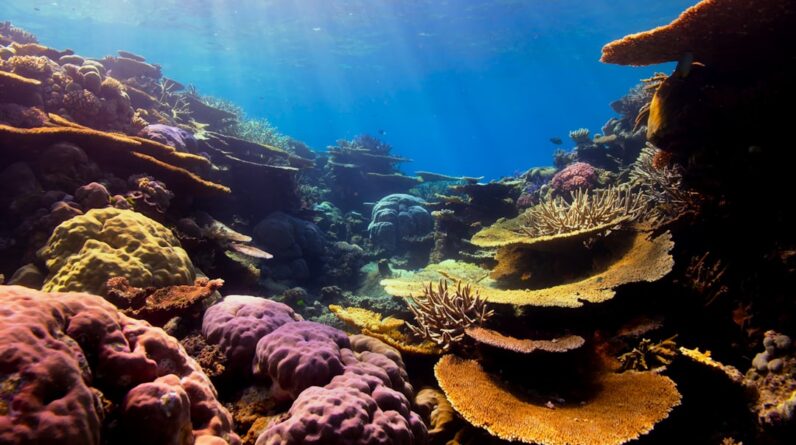
Without sufficient oxygen, these species face stress and potential mortality. Moreover, healthy levels of oceanic oxygen are crucial for maintaining biodiversity within marine ecosystems. Coral reefs, for instance, are highly sensitive to changes in oxygen levels; they require specific conditions to flourish.
When oxygen levels drop due to pollution or climate change, coral reefs can experience bleaching events and die-offs, leading to a cascade of effects on associated marine life. As you reflect on these connections, it becomes clear that preserving oceanic oxygen is vital for sustaining not only individual species but entire ecosystems.
Human Dependence on Oceanic Oxygen

Your connection to oceanic oxygen goes beyond mere appreciation; it is a matter of survival. The oceans provide essential resources that support human life, including food, medicine, and livelihoods for millions around the globe. As you consider your dependence on these resources, it becomes evident that healthy oceans are integral to your well-being.
The fish you consume and the seafood industry that supports countless jobs rely on balanced ecosystems with adequate oxygen levels. Furthermore, the oceans play a crucial role in regulating climate and weather patterns, which directly impacts agriculture and freshwater availability. As oceanic oxygen levels decline due to human activities such as pollution and overfishing, the repercussions can be felt far beyond coastal communities.
Understanding this interconnectedness emphasizes the importance of protecting oceanic health—not just for marine life but for humanity as a whole.
Conservation Efforts to Protect Oceanic Oxygen Levels
Recognizing the critical importance of oceanic oxygen has spurred various conservation efforts aimed at protecting marine ecosystems and ensuring sustainable practices. As you explore these initiatives, you will find that organizations and governments worldwide are working together to address issues such as overfishing, pollution, and habitat destruction. Marine protected areas (MPAs) have been established to safeguard vital habitats and promote biodiversity while allowing ecosystems to recover from human impacts.
In addition to MPAs, there are ongoing efforts to reduce carbon emissions and combat climate change—an essential step toward preserving oceanic oxygen levels. By advocating for renewable energy sources and promoting sustainable fishing practices, individuals and communities can contribute to these global efforts. As you engage with these conservation initiatives, you will realize that collective action is necessary to protect our oceans and ensure a healthy future for both marine life and humanity.
The Future of Oceanic Oxygen and its Implications for Humanity
Looking ahead, the future of oceanic oxygen remains uncertain as climate change continues to pose significant challenges. As you contemplate this future, it becomes clear that proactive measures must be taken to mitigate its impacts on marine ecosystems. Continued research into ocean health and monitoring of oxygen levels will be crucial for understanding trends and implementing effective conservation strategies.
The implications of declining oceanic oxygen levels extend beyond environmental concerns; they touch upon economic stability, food security, and public health. As you consider your role in this narrative, remember that individual actions can contribute to broader change. By advocating for sustainable practices and supporting policies aimed at protecting our oceans, you can help ensure that future generations inherit a planet where both marine life and humanity can thrive together.
In conclusion, oceanic oxygen is an invaluable resource that sustains life on Earth. From phytoplankton’s role in production to the impacts of climate change on distribution and availability, understanding this complex system is essential for fostering a sustainable future. Your awareness and actions can make a difference in preserving this vital resource for generations to come.
If you’re interested in learning more about the importance of trees and their impact on the environment, check out this article on how planting trees helps combat climate change. Just like the oceans play a crucial role in producing oxygen, trees also play a vital role in maintaining a healthy environment and combating the effects of climate change. Both articles highlight the interconnectedness of nature and the importance of preserving our planet for future generations.
FAQs
What is the role of oceans in producing oxygen?
Oceans play a crucial role in producing oxygen through the process of photosynthesis carried out by marine plants, algae, and phytoplankton. These organisms release oxygen as a byproduct of this process, which contributes significantly to the Earth’s oxygen supply.
How much of the Earth’s oxygen is produced by the oceans?
It is estimated that approximately 50-80% of the Earth’s oxygen is produced by marine plants, algae, and phytoplankton in the oceans. This makes the oceans a vital source of oxygen for life on Earth.
What are the main contributors to oxygen production in the oceans?
The main contributors to oxygen production in the oceans are marine plants, algae, and phytoplankton. These organisms are responsible for the majority of oxygen production through the process of photosynthesis.
How does ocean circulation impact oxygen production?
Ocean circulation plays a crucial role in distributing nutrients and regulating the growth of marine plants, algae, and phytoplankton. This, in turn, affects the overall oxygen production in the oceans. Circulation patterns also influence the mixing of oxygen-rich surface waters with deeper waters, which can impact oxygen levels in different ocean regions.
What are the potential threats to oxygen production in the oceans?
Potential threats to oxygen production in the oceans include climate change, ocean acidification, pollution, and overfishing. These factors can disrupt marine ecosystems and impact the ability of marine plants, algae, and phytoplankton to produce oxygen. Protecting ocean health is crucial for maintaining oxygen production.