When you think about the sources of oxygen that sustain life on Earth, your mind might immediately drift to lush forests or sprawling green landscapes. However, the oceans play an equally crucial role in this life-sustaining process. Covering over 70% of the planet’s surface, oceans are not just vast bodies of water; they are dynamic ecosystems teeming with life.
In fact, it is estimated that the oceans contribute approximately 50% to 80% of the Earth’s oxygen supply. This remarkable contribution is primarily due to the activities of marine plants, particularly phytoplankton, which are microscopic organisms that float in the sunlit layers of the ocean. Understanding the significance of oxygen production in oceans is essential for appreciating the delicate balance of our planet’s ecosystems.
The oxygen generated by these marine organisms is not only vital for aquatic life but also for terrestrial species, including humans. As you delve deeper into the processes and factors influencing oxygen production in oceans, you will uncover a complex interplay of biological, chemical, and physical elements that sustain this essential resource. The health of our oceans directly correlates with the health of our atmosphere and, ultimately, our survival.
Key Takeaways
- Oceans are the largest source of oxygen production on Earth, contributing over 50% of the total oxygen in the atmosphere.
- The process of oxygen production in oceans primarily occurs through photosynthesis by phytoplankton and marine plants, as well as through physical processes like diffusion and mixing.
- Factors such as temperature, nutrient availability, and light availability can significantly affect the rate of oxygen production in oceans.
- Oceans play a crucial role in sustaining oxygen levels in the atmosphere, supporting marine life, and regulating the Earth’s climate.
- Threats to oxygen production in oceans include pollution, climate change, and overfishing, which can disrupt marine ecosystems and reduce oxygen production.
The Process of Oxygen Production in Oceans
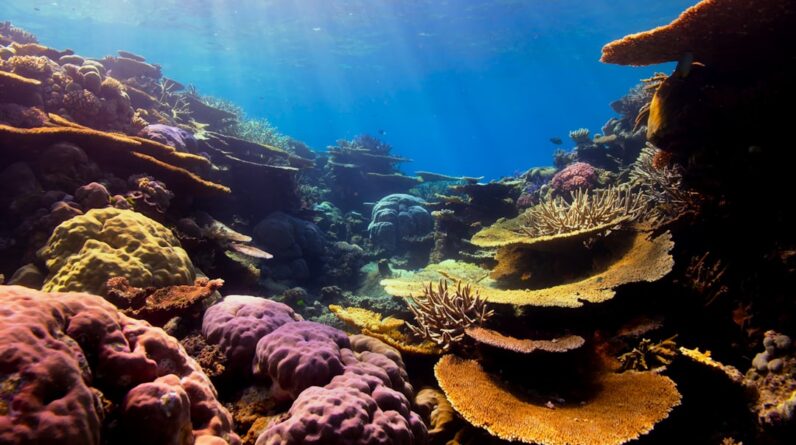
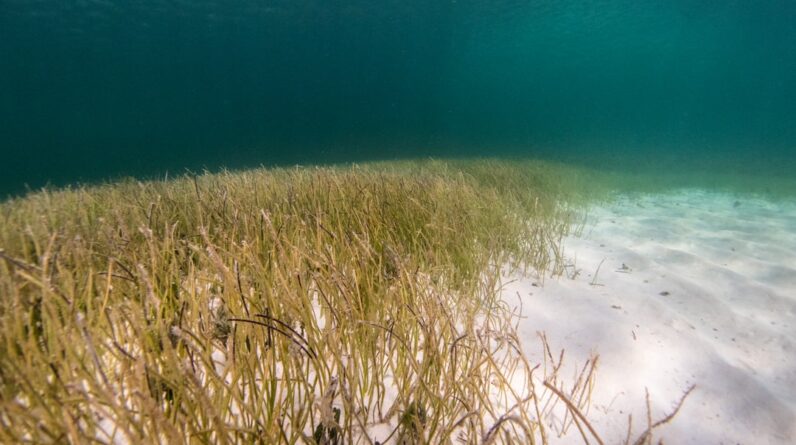
The primary mechanism through which oxygen is produced in oceans is photosynthesis, a process that converts sunlight into chemical energy. Phytoplankton, along with other marine plants such as seaweed and seagrasses, harness sunlight to convert carbon dioxide and water into glucose and oxygen. This process occurs in the upper layers of the ocean where sunlight penetrates, allowing these organisms to thrive.
As you explore this fascinating process, you will find that phytoplankton are not only responsible for producing oxygen but also serve as the foundation of the marine food web. During photosynthesis, phytoplankton absorb carbon dioxide from the water and release oxygen as a byproduct. This oxygen then diffuses into the surrounding water and eventually makes its way into the atmosphere.
Interestingly, phytoplankton are incredibly efficient at this process; a single bloom can produce vast amounts of oxygen in a short period. The sheer abundance and diversity of these organisms contribute significantly to global oxygen levels, making them indispensable players in the Earth’s biosphere.
Factors Affecting Oxygen Production in Oceans

Several factors influence the rate of oxygen production in oceans, and understanding these variables is crucial for grasping the overall health of marine ecosystems. One significant factor is nutrient availability. Phytoplankton require essential nutrients such as nitrogen, phosphorus, and iron to thrive.
In areas where these nutrients are abundant, such as upwelling zones or regions with river runoff, phytoplankton populations can flourish, leading to increased oxygen production. Conversely, nutrient-poor regions may experience limited growth and reduced oxygen output. Another critical factor is temperature.
Warmer waters can enhance metabolic rates in phytoplankton, potentially increasing their growth and oxygen production. However, excessively high temperatures can lead to harmful algal blooms that deplete oxygen levels in surrounding waters when they die off and decompose. Additionally, light availability plays a vital role; areas with clear waters allow more sunlight to penetrate, promoting photosynthesis.
As you consider these factors, it becomes evident that maintaining a delicate balance is essential for sustaining optimal oxygen production in oceans.
The Importance of Oceans in Sustaining Oxygen Levels
The oceans are often referred to as the lungs of our planet due to their significant contribution to atmospheric oxygen levels. This vital role extends beyond mere numbers; it has profound implications for all life forms on Earth. As you reflect on this importance, consider how the oxygen produced by oceans supports not only marine life but also terrestrial ecosystems.
Every breath you take is linked to the health of oceanic systems, highlighting the interconnectedness of life on Earth. Moreover, oceans play a crucial role in regulating climate and weather patterns. The oxygen generated by marine organisms helps maintain atmospheric balance, influencing global temperatures and weather systems.
Healthy oceans contribute to a stable climate, which is essential for agriculture, biodiversity, and human well-being. As you ponder these connections, it becomes clear that protecting oceanic health is not just an environmental concern; it is a matter of survival for all species on the planet.
Threats to Oxygen Production in Oceans
Despite their critical role in oxygen production, oceans face numerous threats that jeopardize their ability to sustain this vital function. One of the most pressing issues is ocean acidification, a direct consequence of increased carbon dioxide emissions. As CO2 levels rise in the atmosphere, a significant portion is absorbed by oceans, leading to chemical changes that can harm marine life.
Acidic waters can negatively impact phytoplankton growth and productivity, ultimately reducing oxygen output. Additionally, pollution poses a significant threat to ocean health. Nutrient runoff from agricultural practices can lead to eutrophication—a process where excess nutrients stimulate algal blooms that deplete oxygen levels when they decay.
These “dead zones” create inhospitable environments for marine life and disrupt the delicate balance necessary for healthy oxygen production. As you consider these threats, it becomes evident that human activities have far-reaching consequences on ocean ecosystems and their ability to produce oxygen.
The Impact of Human Activities on Oxygen Production in Oceans

Human activities have profoundly impacted ocean health and consequently oxygen production. Overfishing disrupts marine food webs and can lead to imbalances that affect phytoplankton populations. When key species are removed from the ecosystem, it can create cascading effects that hinder nutrient cycling and reduce overall productivity.
Furthermore, coastal development and habitat destruction can limit areas where phytoplankton thrive, further diminishing their capacity to produce oxygen. Climate change is another significant factor influenced by human actions. Rising sea temperatures can alter ocean currents and stratification patterns, affecting nutrient distribution and light availability for phytoplankton growth.
As you contemplate these impacts, it becomes clear that addressing human-induced changes is essential for safeguarding oceanic health and ensuring continued oxygen production.
Conservation Efforts to Protect Oxygen Production in Oceans
Recognizing the importance of oceans in oxygen production has spurred various conservation efforts aimed at protecting these vital ecosystems. Marine protected areas (MPAs) have been established worldwide to safeguard critical habitats and promote biodiversity. By restricting human activities in these zones, MPAs help maintain healthy populations of phytoplankton and other marine organisms essential for oxygen production.
Additionally, initiatives aimed at reducing carbon emissions are crucial for mitigating climate change and its impacts on ocean health. By transitioning to renewable energy sources and promoting sustainable practices in agriculture and fishing, you can contribute to efforts that protect ocean ecosystems. Public awareness campaigns also play a vital role in educating communities about the importance of oceans and encouraging responsible stewardship of marine resources.
The Vital Role of Oceans in Oxygen Production
In conclusion, the oceans are indispensable allies in sustaining life on Earth through their remarkable capacity for oxygen production. As you reflect on this vital role, consider how interconnected our existence is with these vast bodies of water. The processes that occur within oceans not only support marine life but also have far-reaching implications for terrestrial ecosystems and human survival.
However, the threats posed by human activities demand urgent attention and action. By understanding the complexities of ocean health and advocating for conservation efforts, you can play a part in ensuring that these ecosystems continue to thrive. The future of our planet depends on recognizing and protecting the vital role that oceans play in producing the oxygen we all need to breathe and live harmoniously on this beautiful planet we call home.
Taking a Breath: The Critical Role of Oceans in Oxygen Production highlights the importance of oceans in producing oxygen for our planet. This article emphasizes the interconnectedness of various ecosystems and how they contribute to the overall health of our environment. For further reading on the benefits of preserving biodiversity and healthy forests, check out this article on how forests serve as a reservoir for biodiversity. It discusses the vital role that forests play in maintaining a healthy ecosystem and the importance of preserving them for future generations.
FAQs
What is the role of oceans in oxygen production?
Oceans play a critical role in oxygen production through the process of photosynthesis carried out by marine plants, algae, and phytoplankton. These organisms produce a significant portion of the Earth’s oxygen supply.
How much of the Earth’s oxygen is produced by the oceans?
It is estimated that marine plants and phytoplankton in the oceans are responsible for producing about 50-85% of the oxygen in the Earth’s atmosphere.
Why are oceans important for oxygen production?
Oceans are important for oxygen production because they are home to a wide variety of photosynthetic organisms that release oxygen as a byproduct of their metabolic processes. This oxygen is then released into the atmosphere and is essential for the survival of terrestrial and marine life.
What are some of the key organisms involved in oxygen production in the oceans?
Marine plants, algae, and phytoplankton are some of the key organisms involved in oxygen production in the oceans. These organisms use sunlight, carbon dioxide, and water to produce oxygen through the process of photosynthesis.
How does human activity impact oxygen production in the oceans?
Human activity, such as pollution, overfishing, and climate change, can have negative impacts on the health of marine ecosystems and the organisms responsible for oxygen production. This can ultimately affect the amount of oxygen produced by the oceans.