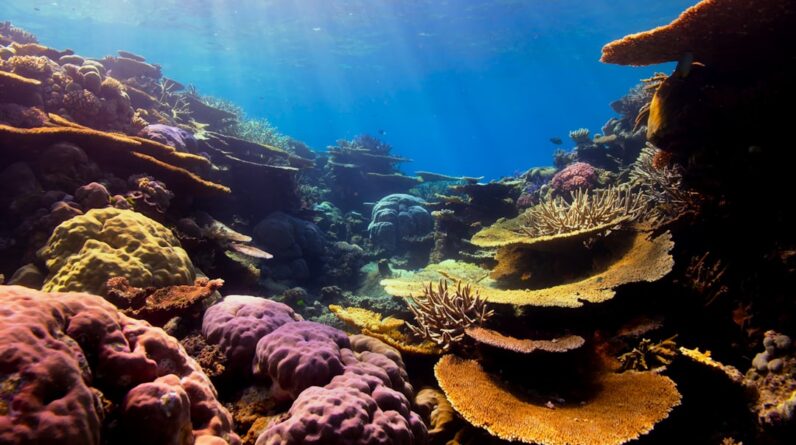
Policy change holds immense power in shaping the future of our oceans. When you consider the vastness of the marine environment and the myriad challenges it faces, it becomes clear that effective policies can serve as a lifeline for ocean conservation. You may not realize it, but every piece of legislation passed can either bolster or undermine the health of marine ecosystems.
From regulating fishing practices to establishing marine protected areas, policy decisions have far-reaching implications that can either promote sustainability or lead to further degradation. As a citizen, your engagement in the political process is crucial. You have the ability to influence policy change through your voice and your vote.
When you advocate for policies that prioritize ocean health, you contribute to a collective effort that can lead to significant improvements in marine conservation. The power of policy change lies not only in its capacity to address immediate issues but also in its potential to create a framework for long-term sustainability. By supporting initiatives that aim to protect marine life, you help ensure that future generations inherit a thriving ocean ecosystem.
Key Takeaways
- Policy change has the power to significantly impact ocean conservation efforts.
- Voting plays a crucial role in influencing policies that protect marine life and the ocean environment.
- Policy change can be a key tool in protecting marine life and preserving the health of the ocean.
- Government plays a critical role in enacting and enforcing policies that protect the ocean and its inhabitants.
- There is a strong connection between voting and the implementation of environmental policies that impact ocean conservation.
The Impact of Voting on Ocean Conservation
Voting is one of the most direct ways you can influence ocean conservation efforts. Each election presents an opportunity for you to support candidates and policies that prioritize environmental protection. When you cast your vote, you are not just choosing a representative; you are endorsing a vision for how our oceans should be treated.
Your vote can help propel forward legislation that addresses critical issues such as overfishing, habitat destruction, and climate change, all of which pose significant threats to marine life. Moreover, your participation in the electoral process sends a message to policymakers about the importance of ocean conservation. When elected officials see that their constituents care about marine issues, they are more likely to prioritize these concerns in their agendas.
By voting for candidates who advocate for sustainable practices and environmental stewardship, you play an essential role in shaping policies that can lead to healthier oceans. Your voice matters, and it can resonate through the halls of government, influencing decisions that impact marine ecosystems.
How Policy Change Can Protect Marine Life

Effective policy change can serve as a powerful tool for protecting marine life. You may be surprised to learn that well-crafted regulations can lead to the recovery of endangered species, the restoration of habitats, and the overall enhancement of biodiversity in our oceans. For instance, policies that establish marine protected areas (MPAs) create safe havens for various species, allowing them to thrive without the pressures of fishing and industrial activities.
These designated zones not only benefit marine life but also contribute to healthier ecosystems that support local communities. In addition to MPAs, policies aimed at reducing pollution and mitigating climate change are vital for marine conservation. You have likely heard about the detrimental effects of plastic waste and chemical runoff on ocean health.
By supporting legislation that addresses these issues, you can help create a cleaner environment for marine organisms. Policy changes that promote sustainable fishing practices also play a crucial role in protecting fish populations and ensuring that they remain abundant for future generations. Through your advocacy and support for such initiatives, you contribute to a more balanced relationship between humans and the ocean.
The Role of Government in Ocean Protection
The government plays a pivotal role in ocean protection through the establishment and enforcement of laws and regulations. As a citizen, you have the right to expect your government to prioritize the health of marine ecosystems. This responsibility includes creating policies that safeguard against overfishing, habitat destruction, and pollution.
When governments take proactive measures to protect oceans, they not only fulfill their duty to their constituents but also contribute to global efforts aimed at preserving biodiversity. Furthermore, government agencies are tasked with monitoring and enforcing compliance with environmental regulations. This oversight is essential for ensuring that industries adhere to sustainable practices and do not exploit marine resources irresponsibly.
You can advocate for stronger enforcement mechanisms and greater transparency in how these agencies operate. By holding your government accountable, you help ensure that ocean protection remains a priority on the political agenda.
The Connection Between Voting and Environmental Policy
Voting is intrinsically linked to environmental policy; your choices at the ballot box directly influence the direction of legislation related to ocean conservation. When you vote for candidates who prioritize environmental issues, you are effectively endorsing policies that can lead to meaningful change. This connection underscores the importance of being informed about candidates’ positions on marine conservation before heading to the polls.
Moreover, voting is not just about individual candidates; it also involves supporting ballot measures and initiatives that promote ocean protection. These measures often arise from grassroots movements driven by concerned citizens like yourself who recognize the urgent need for action. By participating in these initiatives, you amplify your voice and contribute to a collective push for policies that prioritize the health of our oceans.
The Importance of Voting for Ocean Conservation
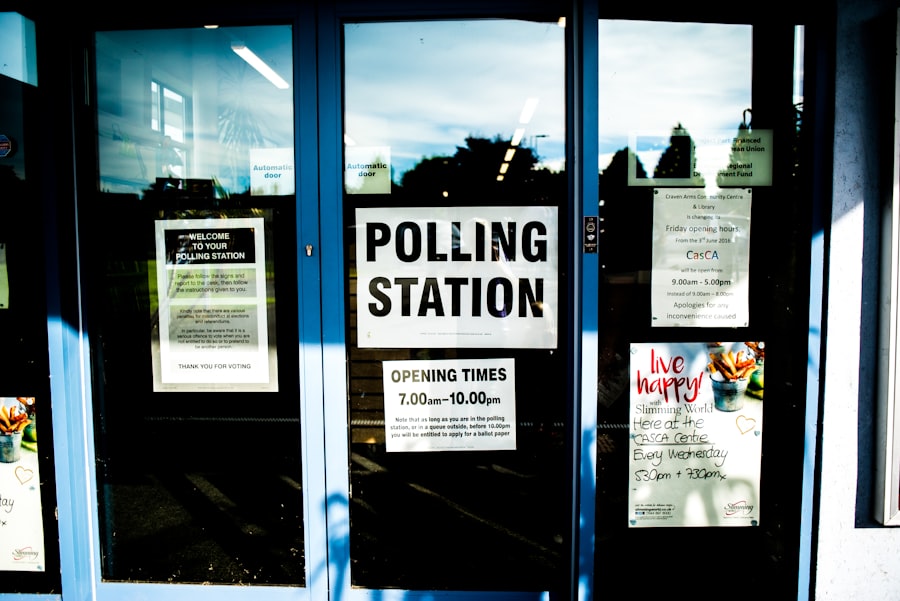
Your vote is a powerful tool for driving change in ocean conservation efforts. By participating in elections, you help shape the policies that govern how we interact with our oceans. This is particularly important given the myriad threats facing marine ecosystems today, from climate change to pollution and overfishing.
When you make informed choices at the polls, you support candidates who are committed to implementing solutions that protect marine life. Additionally, voting is an opportunity to raise awareness about ocean conservation issues within your community. Engaging in discussions about candidates’ positions on environmental policies can inspire others to consider the impact of their votes as well.
By fostering a culture of civic engagement around ocean conservation, you contribute to a broader movement advocating for sustainable practices and responsible stewardship of marine resources.
How Policy Change Can Address Ocean Pollution
Ocean pollution is one of the most pressing challenges facing our seas today, and policy change is essential for addressing this issue effectively. You may be aware of the alarming statistics regarding plastic waste entering our oceans each year; this crisis demands immediate action from both individuals and governments alike. Policies aimed at reducing plastic production, improving waste management systems, and promoting recycling initiatives are crucial steps toward mitigating this problem.
Moreover, regulations targeting industrial runoff and agricultural practices can significantly reduce nutrient pollution in coastal waters. By supporting policies that hold industries accountable for their waste disposal practices, you help protect fragile marine ecosystems from harmful contaminants. Your advocacy for stricter pollution controls can lead to cleaner oceans and healthier habitats for countless species.
The Future of Ocean Protection through Policy Change
The future of ocean protection hinges on our ability to enact meaningful policy changes today. As you look ahead, consider how your actions—both as a voter and an advocate—can shape the trajectory of marine conservation efforts. The challenges facing our oceans are daunting, but with collective action and informed decision-making, there is hope for a brighter future.
You have the power to influence this future by staying engaged in political processes and advocating for policies that prioritize ocean health. Whether it’s supporting local initiatives or participating in national campaigns, your involvement is crucial in driving change. As we move forward, remember that every vote counts; your voice matters in the fight for ocean conservation.
Together, we can create a legacy of stewardship that ensures our oceans remain vibrant and resilient for generations to come.
In a related article, How Does Planting Trees Help Deforestation?, the importance of reforestation efforts in combating deforestation is discussed. Just as voting for the ocean can be a powerful tool in policy change, planting trees plays a crucial role in preserving our environment and combating climate change. By understanding the interconnectedness of our ecosystems and taking action to protect them, we can work towards a more sustainable future for our planet.
FAQs
What is the importance of policy change for the ocean?
Policy change is crucial for the protection and conservation of the ocean. It can lead to the implementation of regulations and laws that can help reduce pollution, overfishing, and habitat destruction, ultimately preserving the health of the ocean ecosystem.
How does policy change impact the ocean environment?
Policy change can have a direct impact on the ocean environment by influencing human activities such as fishing, shipping, and coastal development. Strong policies can help reduce harmful practices and promote sustainable use of ocean resources.
What are some examples of policy changes that can benefit the ocean?
Examples of policy changes that can benefit the ocean include the establishment of marine protected areas, regulations on plastic pollution, sustainable fisheries management, and measures to reduce carbon emissions and combat climate change.
How can individuals contribute to policy change for the ocean?
Individuals can contribute to policy change for the ocean by staying informed about ocean issues, supporting organizations and initiatives that advocate for ocean conservation, and participating in the democratic process by voting for political leaders who prioritize environmental protection.