The oceans are often referred to as the lungs of our planet, and for good reason. They produce a significant portion of the oxygen that sustains life on Earth. It is estimated that marine plants, particularly phytoplankton, contribute around 50% to 80% of the oxygen we breathe.
These microscopic organisms, along with seaweed and other aquatic plants, engage in photosynthesis, a process that converts sunlight into energy while releasing oxygen as a byproduct. This vital function not only supports marine ecosystems but also plays a crucial role in maintaining the atmospheric balance necessary for terrestrial life. Moreover, the oceans serve as a carbon sink, absorbing carbon dioxide from the atmosphere and helping to mitigate climate change.
The oxygen produced by oceanic organisms is essential for the survival of countless marine species, which in turn support human economies and food systems. The intricate web of life in the ocean is interconnected, and the health of these ecosystems directly influences the quality of air we breathe. Understanding the importance of oceanic oxygen is not just an academic exercise; it is a call to action to protect these vital resources that sustain life on Earth.
Key Takeaways
- Oceanic oxygen is crucial for the survival of marine life and the overall health of the ocean ecosystem.
- The oceanic oxygen crisis is primarily caused by human activities such as pollution, deforestation, and climate change.
- Marine life is being severely impacted by the decrease in oceanic oxygen, leading to mass die-offs and disruptions in the food chain.
- The decrease in oceanic oxygen levels can have serious consequences for humans, including economic impacts on fisheries and potential health risks from contaminated seafood.
- Efforts to address the crisis include reducing carbon emissions, implementing sustainable fishing practices, and creating marine protected areas.
Causes of the Oceanic Oxygen Crisis
The oceanic oxygen crisis is a pressing issue that has emerged due to a combination of human activities and natural processes. One of the primary causes is nutrient pollution, which occurs when excess fertilizers and waste runoff enter the oceans. This influx of nutrients leads to algal blooms, which can deplete oxygen levels in the water as they die off and decompose.
The resulting hypoxic zones, often referred to as “dead zones,” are areas where oxygen levels are so low that most marine life cannot survive. These dead zones have been increasing in size and number, posing a significant threat to marine biodiversity. Another contributing factor is climate change, which affects ocean temperatures and circulation patterns.
Warmer waters hold less oxygen, exacerbating the problem of hypoxia. Additionally, rising sea temperatures can lead to stratification, where warmer surface waters prevent mixing with deeper, cooler waters that are typically richer in oxygen. This stratification can create conditions that are inhospitable for many marine species, further compounding the crisis.
As you consider these factors, it becomes clear that addressing the oceanic oxygen crisis requires a multifaceted approach that tackles both pollution and climate change.
Impact on Marine Life

The consequences of declining oxygen levels in the oceans are dire for marine life. Many species, including fish, crustaceans, and mollusks, rely on adequate oxygen levels to survive. When oxygen becomes scarce, these organisms may experience stress, leading to reduced growth rates, reproductive failures, and increased mortality.
Some species may be able to migrate to more oxygen-rich areas, but not all can adapt quickly enough to escape the effects of hypoxia. This disruption can lead to shifts in species composition and biodiversity loss, which can have cascading effects throughout the entire ecosystem. Furthermore, the decline in marine life due to low oxygen levels can impact food webs and fisheries.
As key species decline or disappear, the entire ecosystem can become unbalanced. For instance, if a particular fish species that serves as a primary food source for larger predators declines due to hypoxia, those predators may also suffer from food shortages. This not only affects marine biodiversity but also threatens the livelihoods of communities that depend on fishing for their sustenance and economic stability.
The intricate relationships within marine ecosystems highlight the urgency of addressing the oceanic oxygen crisis before it leads to irreversible damage.
Consequences for Humans
The implications of the oceanic oxygen crisis extend beyond marine life; they also pose significant risks for human populations. As fish stocks decline due to hypoxia and habitat degradation, communities that rely on fishing for their livelihoods face economic challenges. The loss of biodiversity can lead to reduced food security, particularly in coastal regions where fish are a primary source of protein.
This situation can exacerbate existing inequalities and create additional pressures on vulnerable populations. Moreover, the health of ocean ecosystems is closely tied to global climate patterns and weather systems. As oceanic conditions change due to declining oxygen levels, we may see shifts in weather patterns that can affect agriculture and water resources on land.
The interconnectedness of ocean health and human well-being underscores the importance of taking action to address the oceanic oxygen crisis. By recognizing our dependence on healthy oceans, you can better appreciate the urgency of protecting these vital ecosystems for future generations.
Efforts to Address the Crisis
In response to the growing oceanic oxygen crisis, various initiatives are being implemented at local, national, and international levels. Governments and organizations are working together to reduce nutrient pollution by promoting sustainable agricultural practices and improving wastewater management systems. These efforts aim to minimize runoff into waterways that eventually lead to the ocean, thereby reducing the occurrence of harmful algal blooms and hypoxic zones.
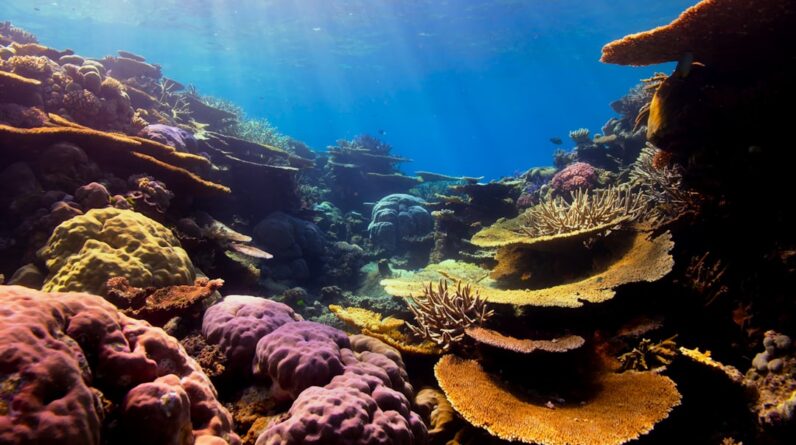
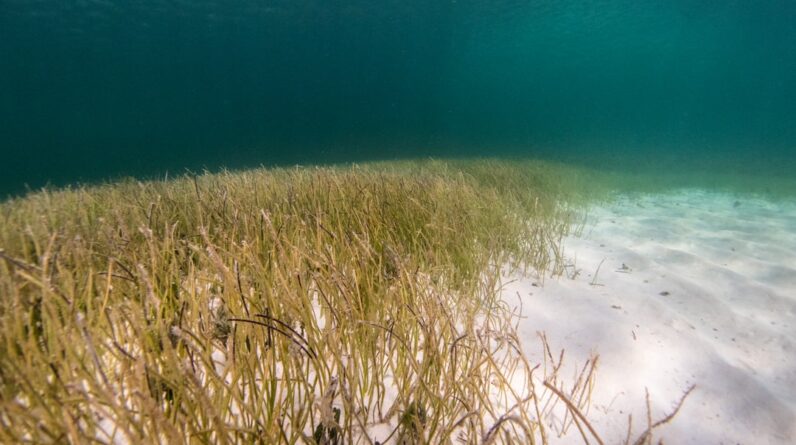
Additionally, conservation efforts are being made to protect critical marine habitats such as mangroves, seagrasses, and coral reefs. These ecosystems not only provide essential services like carbon sequestration but also support diverse marine life that contributes to overall ocean health. By establishing marine protected areas (MPAs) and promoting sustainable fishing practices, stakeholders are taking steps toward restoring balance in marine ecosystems.
Your awareness and support for these initiatives can play a crucial role in driving positive change.
The Role of Climate Change
Climate change is an overarching factor that exacerbates the oceanic oxygen crisis. As global temperatures rise due to greenhouse gas emissions, ocean temperatures also increase, leading to decreased oxygen solubility in seawater. Warmer waters can create stratified layers that hinder nutrient mixing and reduce overall productivity in marine ecosystems.
This phenomenon not only affects oxygen levels but also disrupts food chains and alters species distributions. Furthermore, climate change contributes to ocean acidification as increased carbon dioxide levels dissolve into seawater. Acidification can harm calcifying organisms such as corals and shellfish, which play vital roles in maintaining healthy marine ecosystems.
The interplay between climate change and ocean health highlights the urgent need for comprehensive climate action. By addressing climate change at its roots—through reducing emissions and transitioning to renewable energy sources—you can contribute to mitigating its impact on oceanic oxygen levels.
Potential Solutions
Addressing the oceanic oxygen crisis requires innovative solutions that encompass both policy changes and community engagement. One potential solution is the implementation of nutrient management plans that promote sustainable agricultural practices. By encouraging farmers to use fewer fertilizers or adopt precision farming techniques, we can reduce nutrient runoff into waterways and ultimately decrease algal blooms in coastal areas.
Another promising approach involves restoring coastal ecosystems such as wetlands and mangroves, which act as natural buffers against nutrient pollution while providing critical habitat for marine life. Investing in green infrastructure—such as rain gardens and permeable pavements—can also help manage stormwater runoff effectively. Additionally, promoting public awareness campaigns about responsible fishing practices and reducing plastic waste can empower individuals to make choices that benefit ocean health.
What You Can Do to Help
As an individual, you have the power to make a difference in addressing the oceanic oxygen crisis. Start by educating yourself about local water quality issues and supporting initiatives aimed at reducing pollution in your community. Simple actions like reducing plastic use, properly disposing of waste, and advocating for sustainable practices can collectively lead to significant changes.
Consider participating in local clean-up events or supporting organizations dedicated to marine conservation efforts. By engaging with your community and raising awareness about the importance of healthy oceans, you can inspire others to take action as well. Remember that every small effort counts; whether it’s choosing sustainable seafood or advocating for policies that protect marine environments, your contributions matter in the fight against the oceanic oxygen crisis.
In conclusion, understanding the importance of oceanic oxygen is crucial for recognizing its impact on both marine life and human well-being. By addressing the causes of the oceanic oxygen crisis through collective efforts—ranging from policy changes to individual actions—we can work towards restoring balance in our oceans and ensuring a healthier planet for future generations.
If you are interested in learning more about environmental causes and solutions, check out the article Increased Tree Planting Will Unbalance the World’s Ecosystems. This article discusses the potential negative impacts of planting too many trees and how it can disrupt the delicate balance of ecosystems. It is important to consider all aspects of environmental conservation in order to make informed decisions and create sustainable solutions.
FAQs
What is the oceanic oxygen crisis?
The oceanic oxygen crisis refers to the widespread decrease in oxygen levels in the Earth’s oceans, primarily caused by human activities such as pollution and climate change.
Why is the oceanic oxygen crisis a concern?
The decrease in oceanic oxygen levels can have detrimental effects on marine life, leading to habitat loss, decreased biodiversity, and disruptions in the food chain. It can also impact the ocean’s ability to absorb and store carbon dioxide.
What are the main causes of the oceanic oxygen crisis?
The main causes of the oceanic oxygen crisis include nutrient pollution from agricultural runoff, fossil fuel emissions leading to ocean acidification, and the warming of ocean waters due to climate change.
How does the oceanic oxygen crisis affect marine life?
Decreased oxygen levels can lead to “dead zones” where marine life cannot survive, as well as the migration of species to shallower waters in search of oxygen, disrupting ecosystems and leading to increased competition for resources.
What can be done to address the oceanic oxygen crisis?
Efforts to reduce nutrient pollution, decrease carbon emissions, and protect marine habitats are crucial in addressing the oceanic oxygen crisis. International cooperation and policy measures are also necessary to mitigate the impacts of human activities on ocean oxygen levels.