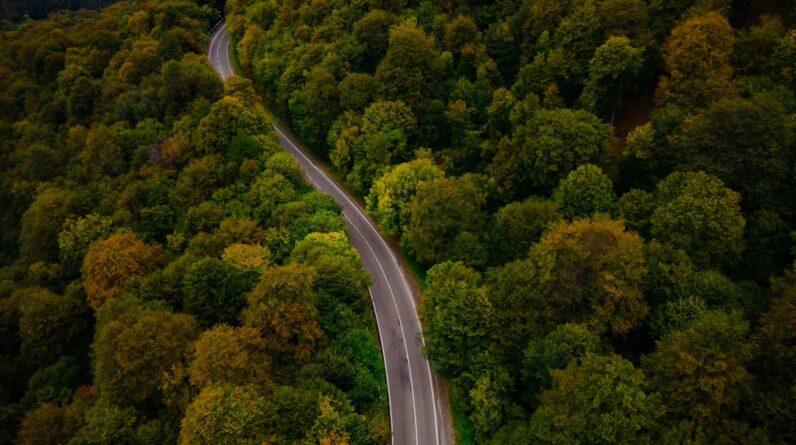
Reforestation is a vital process that involves the replanting of trees in areas where forests have been depleted or destroyed. As you delve into the significance of this practice, you will discover that it is not merely about planting trees; it is about restoring ecosystems, enhancing biodiversity, and revitalizing the planet. The urgency of reforestation has never been more pronounced, given the alarming rates of deforestation driven by human activities such as agriculture, urbanization, and logging.
You may find it surprising that every year, millions of hectares of forest are lost, leading to dire consequences for the environment and humanity alike. As you explore the multifaceted nature of reforestation, you will come to appreciate its role as a cornerstone in the fight against climate change and environmental degradation. The act of planting trees is a powerful tool that can help restore balance to our ecosystems.
It is a proactive approach that not only addresses the immediate need for tree cover but also fosters long-term sustainability. By understanding the importance of reforestation, you can become an advocate for this essential practice and contribute to a healthier planet for future generations.
Key Takeaways
- Reforestation is the process of planting trees in areas where they have been cut down or destroyed, with the goal of restoring the ecological balance.
- Reforestation has numerous environmental benefits, including carbon sequestration, soil erosion prevention, and habitat restoration for wildlife.
- Economically, reforestation can create jobs, support local economies, and provide sustainable sources of timber and non-timber forest products.
- Reforestation plays a crucial role in mitigating climate change by absorbing carbon dioxide from the atmosphere and reducing greenhouse gas emissions.
- Reforestation is essential for biodiversity conservation, as it provides habitats for a wide variety of plant and animal species, helping to maintain ecological balance.
Environmental Benefits of Reforestation
The environmental benefits of reforestation are profound and far-reaching. When you consider the role of trees in carbon sequestration, it becomes clear that reforestation is a critical strategy in combating climate change. Trees absorb carbon dioxide from the atmosphere, storing it in their biomass and releasing oxygen in return.
This natural process helps mitigate the greenhouse effect, which is a significant contributor to global warming. By participating in or supporting reforestation efforts, you are directly contributing to the reduction of atmospheric carbon levels. Moreover, reforestation plays a crucial role in restoring habitats for countless species.
As you learn more about ecosystems, you will realize that forests are home to approximately 80% of terrestrial biodiversity. When you plant trees in deforested areas, you create new habitats for wildlife, allowing them to thrive once again. This restoration not only benefits individual species but also enhances overall ecosystem resilience, making it more adaptable to changes and disturbances.
By engaging in reforestation initiatives, you are helping to preserve the delicate balance of nature.
Economic Benefits of Reforestation

Reforestation is not just an environmental imperative; it also presents significant economic opportunities. As you explore this aspect, you will find that investing in reforestation can lead to job creation and economic growth. The process of planting and maintaining trees requires labor, which can provide employment opportunities for local communities.
This is particularly important in rural areas where job prospects may be limited. By supporting reforestation projects, you are not only contributing to environmental health but also fostering economic development. Additionally, reforestation can enhance local economies through sustainable practices such as agroforestry and ecotourism.
When you integrate trees into agricultural systems, you can improve soil health and increase crop yields. This symbiotic relationship between agriculture and forestry can lead to more resilient farming practices and greater food security. Furthermore, as you consider the potential for ecotourism, you will see how restored forests can attract visitors seeking outdoor experiences and natural beauty.
This influx of tourism can provide a significant boost to local economies while promoting conservation efforts.
Reforestation and Climate Change Mitigation
The connection between reforestation and climate change mitigation is undeniable. As you examine this relationship, you will discover that forests act as carbon sinks, absorbing vast amounts of carbon dioxide from the atmosphere. By restoring degraded lands through reforestation, you can significantly enhance the planet’s capacity to sequester carbon.
This is particularly crucial in light of international climate agreements aimed at reducing greenhouse gas emissions. Your involvement in reforestation initiatives can contribute to global efforts to combat climate change and promote sustainability. Moreover, reforestation can help communities adapt to the impacts of climate change.
As you consider the increasing frequency of extreme weather events, such as floods and droughts, it becomes evident that healthy forests play a vital role in regulating water cycles and stabilizing soils. By planting trees in vulnerable areas, you can help mitigate the effects of climate change on local communities. This proactive approach not only protects ecosystems but also enhances resilience against future climate-related challenges.
Reforestation and Biodiversity Conservation
Biodiversity conservation is another critical aspect of reforestation that deserves your attention. When you engage in reforestation efforts, you are actively participating in the preservation of diverse plant and animal species. Forests serve as essential habitats for countless organisms, many of which are threatened by habitat loss due to deforestation.
By restoring these habitats through tree planting, you are providing a lifeline for endangered species and promoting ecological balance. Furthermore, reforestation can enhance genetic diversity within ecosystems. As you learn about the importance of genetic diversity for species survival, you will understand that diverse tree species contribute to healthier forests.
This diversity allows ecosystems to adapt to changing conditions and resist diseases and pests more effectively. By supporting reforestation initiatives that prioritize native species planting, you are helping to ensure the long-term health and resilience of forest ecosystems.
Reforestation and Water Resource Management
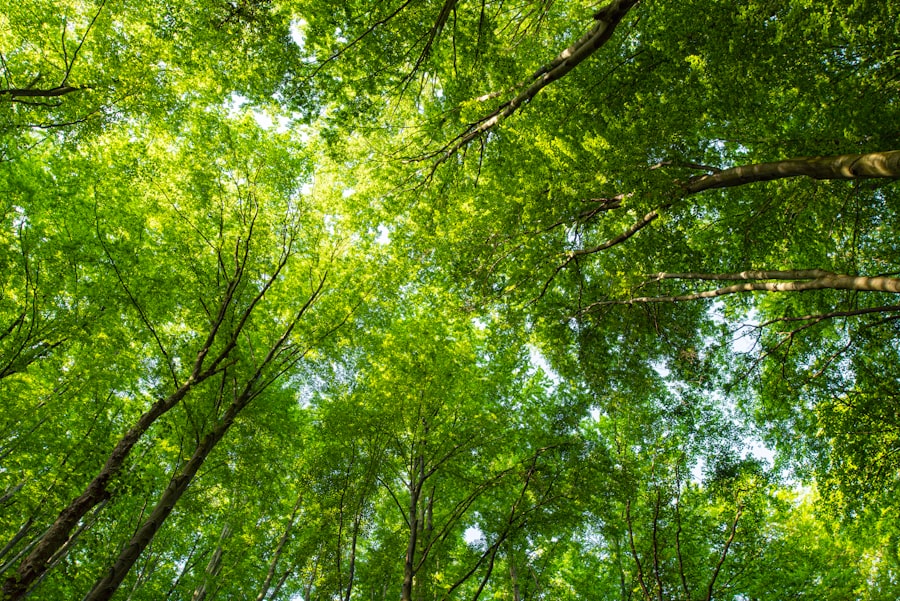
Water resource management is intricately linked to reforestation efforts. As you explore this connection, you will find that forests play a crucial role in maintaining water quality and regulating water cycles. Trees help capture rainfall, reduce runoff, and promote groundwater recharge.
When you participate in reforestation projects, especially in watershed areas, you are contributing to improved water availability for both people and wildlife. Moreover, healthy forests act as natural filters for water bodies, reducing sedimentation and pollution. As trees grow, their root systems stabilize soil and prevent erosion, which can lead to cleaner rivers and streams.
This is particularly important in regions where deforestation has led to water quality degradation. By engaging in reforestation efforts aimed at protecting watersheds, you are helping ensure that communities have access to clean water resources while also safeguarding aquatic ecosystems.
Reforestation and Sustainable Timber Production
Sustainable timber production is another significant benefit of reforestation that merits your consideration. When managed responsibly, forests can provide a renewable source of timber while simultaneously supporting ecological health. As you delve into this topic, you will discover that reforestation can help meet the growing demand for wood products without further depleting natural forests.
By promoting sustainable forestry practices alongside reforestation efforts, you can contribute to a circular economy where timber is harvested responsibly and replaced through planting initiatives. This approach not only supports local economies but also reduces pressure on existing forests. As consumers become more aware of the importance of sustainable sourcing, your involvement in reforestation projects can help drive demand for responsibly produced timber products.
Conclusion and Call to Action
In conclusion, reforestation is a multifaceted solution that addresses pressing environmental challenges while offering economic opportunities and promoting biodiversity conservation. As you reflect on the various benefits outlined in this article, consider how your actions can contribute to this vital cause. Whether through direct participation in tree-planting initiatives or by supporting organizations dedicated to reforestation efforts, your involvement can make a meaningful difference.
Now is the time for action. You have the power to influence change by advocating for policies that support reforestation and by raising awareness within your community about its importance. Every tree planted represents hope for a healthier planet and a brighter future for generations to come.
Embrace the opportunity to be part of this global movement towards restoration and sustainability—your commitment can help heal our planet one tree at a time.
If you are interested in learning more about how planting trees can help combat climate change, check out the article How Does Planting Trees Help Climate Change. This article delves into the various ways in which reforestation can have a positive impact on the environment and the economy. Additionally, if you are looking for ways to get involved in tree planting initiatives, be sure to visit Live Life with a Cause for more information. And remember, by stopping forest burning, we can help save trees and animals – read more about this important topic at Stop Forest Burning: Save Trees and Animals.
FAQs
What is reforestation?
Reforestation is the process of planting trees in areas where forests have been depleted or destroyed, with the goal of restoring the ecological balance and increasing forest cover.
What are the environmental benefits of reforestation?
Reforestation helps to mitigate climate change by absorbing carbon dioxide from the atmosphere, improving air quality, preventing soil erosion, preserving biodiversity, and providing habitats for wildlife.
What are the economic benefits of reforestation?
Reforestation can create jobs in the forestry and conservation sectors, provide sustainable sources of timber and non-timber forest products, and contribute to the overall economic development of local communities.
How does reforestation contribute to climate change mitigation?
Trees absorb carbon dioxide from the atmosphere during photosynthesis, helping to reduce the concentration of greenhouse gases and mitigate the impacts of climate change.
What are some successful reforestation projects around the world?
Successful reforestation projects include the Bonn Challenge, the Great Green Wall in Africa, and the Atlantic Forest Restoration Pact in Brazil, which have all made significant contributions to increasing forest cover and restoring degraded landscapes.