When you think about the air you breathe, it’s easy to overlook the vast oceans that play a crucial role in producing the oxygen essential for life on Earth. The oceans are not just a source of beauty and biodiversity; they are also a vital component of the planet’s respiratory system. Approximately 50% to 80% of the oxygen in our atmosphere is generated by marine organisms, primarily through the process of photosynthesis.
This staggering statistic underscores the importance of oceanic oxygen production, as it directly influences not only the health of marine ecosystems but also the well-being of terrestrial life. The oceans act as a massive carbon sink, absorbing carbon dioxide from the atmosphere and mitigating climate change. This process is intricately linked to oxygen production, as the balance between carbon dioxide and oxygen is essential for maintaining a stable environment.
Without healthy oceans, the delicate equilibrium that sustains life on Earth would be severely disrupted. Therefore, understanding and appreciating the significance of oceanic oxygen production is crucial for fostering a sustainable future for all living beings.
Key Takeaways
- Oceanic oxygen production is crucial for maintaining the balance of oxygen in the atmosphere and supporting marine life.
- Phytoplankton play a key role in oceanic oxygen production through photosynthesis, converting carbon dioxide into oxygen.
- Climate change is causing a decline in oceanic oxygen levels, leading to negative impacts on marine ecosystems and biodiversity.
- The connection between oceanic oxygen and marine life is vital, as many marine species rely on oxygen for survival and reproduction.
- Human activities such as pollution and overfishing are contributing to the decline in oceanic oxygen levels, posing a threat to marine ecosystems and global oxygen levels.
The Role of Phytoplankton in Oxygen Production
At the heart of oceanic oxygen production lies phytoplankton, microscopic organisms that float near the surface of the water. These tiny powerhouses are responsible for a significant portion of the photosynthesis that occurs in the oceans. As they harness sunlight to convert carbon dioxide and water into glucose and oxygen, they play an indispensable role in maintaining the balance of gases in our atmosphere.
You might be surprised to learn that just a few grams of phytoplankton can produce enough oxygen to support an entire ecosystem. Phytoplankton thrive in nutrient-rich waters, often found in coastal regions and upwelling zones where currents bring essential nutrients from the depths of the ocean. Their abundance is not only vital for oxygen production but also serves as the foundation of the marine food web.
As primary producers, they provide energy for a myriad of marine species, from tiny zooplankton to massive whales. The health and productivity of phytoplankton populations are therefore critical not only for oxygen generation but also for sustaining marine biodiversity.
The Impact of Climate Change on Oceanic Oxygen Levels
As you consider the implications of climate change, it’s essential to recognize its profound impact on oceanic oxygen levels. Rising sea temperatures, ocean acidification, and changes in nutrient availability are all consequences of climate change that can disrupt the delicate balance of marine ecosystems. Warmer waters can lead to stratification, where layers of water become separated by temperature, preventing the mixing necessary for nutrient distribution.
This can result in reduced phytoplankton growth and, consequently, lower oxygen production. Moreover, ocean acidification—caused by increased carbon dioxide absorption—can hinder the ability of marine organisms to thrive. Many species rely on calcium carbonate for their shells and skeletons, and as ocean acidity rises, their ability to form these structures diminishes.
This not only affects individual species but can also have cascading effects throughout the food web, ultimately impacting oxygen levels as well. The interconnectedness of these factors highlights the urgent need to address climate change to protect oceanic oxygen production.
The Connection Between Oceanic Oxygen and Marine Life
The relationship between oceanic oxygen levels and marine life is intricate and vital. Healthy oxygen levels are essential for the survival of countless marine species, from fish to invertebrates. Many aquatic organisms rely on dissolved oxygen in the water for respiration, and fluctuations in oxygen availability can lead to significant stress or even mortality.
You may have heard about “dead zones,” areas in oceans where oxygen levels are so low that most marine life cannot survive. These zones are often caused by nutrient pollution from agricultural runoff, leading to algal blooms that deplete oxygen as they decay. In addition to supporting individual species, adequate oxygen levels are crucial for maintaining biodiversity within marine ecosystems.
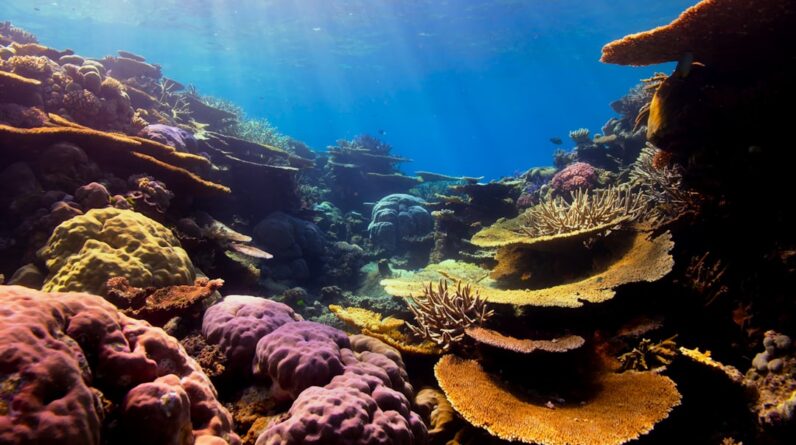
Healthy coral reefs, for example, depend on a balanced environment where oxygen levels are stable. When oxygen levels drop, coral bleaching can occur, leading to widespread loss of these vital habitats. The decline of coral reefs not only affects marine life but also has far-reaching implications for coastal communities that rely on them for food and tourism.
Thus, ensuring sufficient oceanic oxygen levels is paramount for preserving marine biodiversity and supporting human livelihoods.
Human Activities and Their Effects on Oceanic Oxygen Levels
Your daily activities may seem disconnected from the vast oceans, but human actions have profound effects on oceanic oxygen levels. Agricultural practices that rely heavily on fertilizers can lead to nutrient runoff into waterways, ultimately making their way into the ocean. This influx of nutrients can trigger harmful algal blooms that consume large amounts of oxygen as they decompose, creating dead zones where marine life cannot survive.
The consequences of these practices extend beyond local ecosystems; they can disrupt global oxygen production and contribute to climate change. Additionally, industrial pollution and overfishing further exacerbate the challenges facing oceanic oxygen levels. Pollutants can introduce toxins into marine environments, harming phytoplankton populations and reducing their ability to produce oxygen.
Overfishing disrupts food webs and can lead to imbalances that affect entire ecosystems. As you reflect on your own impact on the environment, consider how choices related to consumption, waste management, and resource use can influence ocean health and, by extension, global oxygen levels.
The Implications of Declining Oceanic Oxygen for the Environment
The decline in oceanic oxygen levels carries significant implications for both marine ecosystems and human societies. As you contemplate these consequences, consider how reduced oxygen availability can lead to shifts in species distribution and abundance. Fish populations may migrate in search of more suitable habitats, disrupting local fisheries and economies that depend on them.
Furthermore, declining oxygen levels can lead to increased competition among species as they struggle to survive in increasingly inhospitable environments. The environmental ramifications extend beyond immediate impacts on marine life; they also affect global climate patterns. Healthy oceans play a crucial role in regulating climate by absorbing carbon dioxide and producing oxygen.
As oceanic oxygen levels decline, this balance is disrupted, potentially accelerating climate change and its associated impacts on weather patterns, sea levels, and biodiversity loss. The interconnectedness of these issues underscores the urgency of addressing declining oceanic oxygen levels as part of broader environmental conservation efforts.
Efforts to Protect and Preserve Oceanic Oxygen Production
Recognizing the critical importance of oceanic oxygen production has spurred various efforts aimed at protecting and preserving this vital resource. You may be encouraged to learn about initiatives focused on reducing nutrient pollution through sustainable agricultural practices and improved waste management systems. By promoting responsible farming techniques that minimize fertilizer runoff, we can help maintain healthy coastal ecosystems that support phytoplankton growth and enhance oxygen production.
Additionally, marine protected areas (MPAs) have emerged as a key strategy for safeguarding biodiversity and promoting healthy ecosystems. By designating specific regions as off-limits to certain human activities such as fishing or industrial development, MPAs allow marine life to thrive without undue stress from human interference. These protected areas not only support diverse marine populations but also contribute to overall ocean health by enhancing oxygen production through thriving phytoplankton communities.
The Future of Oceanic Oxygen and Its Impact on Global Oxygen Levels
As you look toward the future, it’s clear that the fate of oceanic oxygen production is intricately linked to our collective actions today. The ongoing challenges posed by climate change, pollution, and overexploitation require urgent attention and concerted efforts from individuals, communities, governments, and organizations worldwide. By prioritizing sustainable practices and advocating for policies that protect our oceans, you can contribute to a healthier planet.
The future of oceanic oxygen production will depend on our ability to adapt to changing conditions while fostering resilience within marine ecosystems. Innovations in technology and science may offer new solutions for monitoring ocean health and enhancing phytoplankton productivity. As we strive to mitigate climate change and protect our oceans, we must remain vigilant in our efforts to ensure that these vital ecosystems continue to thrive—ultimately safeguarding not only marine life but also the very air we breathe.
In a related article, How Does Planting Trees Help the Environment?, the importance of tree planting in maintaining a healthy ecosystem is discussed. Just as the ocean plays a crucial role in producing oxygen, trees also contribute significantly to the oxygen supply on Earth. Both articles highlight the interconnectedness of nature and the vital role that trees and oceans play in sustaining life on our planet.
FAQs
What is the ocean’s gift of oxygen?
The ocean’s gift of oxygen refers to the fact that marine plants, particularly phytoplankton, produce a significant amount of the world’s oxygen through the process of photosynthesis.
How much of the world’s oxygen is produced by the ocean?
It is estimated that the ocean produces about 70% of the world’s oxygen, with marine plants contributing a significant portion of this production.
What role do phytoplankton play in oxygen production?
Phytoplankton are microscopic marine plants that play a crucial role in oxygen production through photosynthesis. They are responsible for a large portion of the oxygen produced by the ocean.
Why is the ocean’s gift of oxygen important?
The ocean’s gift of oxygen is important because it sustains life on Earth. Oxygen is essential for the survival of all living organisms, and the ocean plays a critical role in producing a significant portion of the world’s oxygen supply.
How can human activities impact the ocean’s gift of oxygen?
Human activities such as pollution, climate change, and overfishing can have negative impacts on the ocean’s ability to produce oxygen. These activities can harm marine ecosystems and reduce the abundance of phytoplankton, ultimately affecting the ocean’s gift of oxygen.