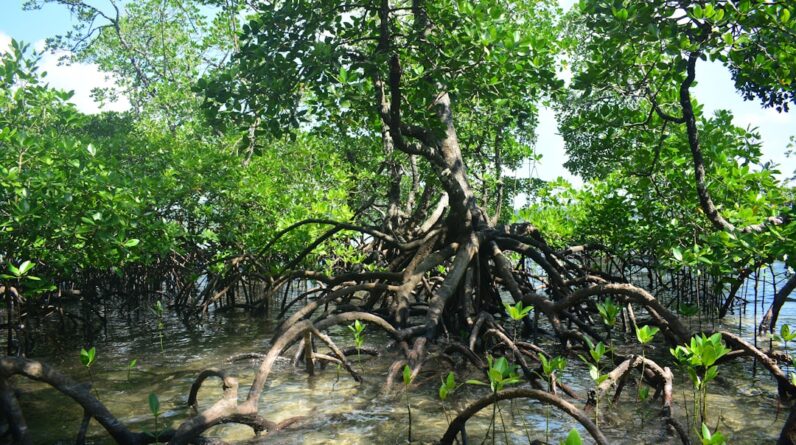
Restoring waterways is a critical endeavor that holds immense significance for both the environment and human communities. As you consider the role of rivers, lakes, and streams in your life, you may realize that these bodies of water are not just sources of beauty; they are vital ecosystems that support a diverse array of wildlife and provide essential resources for people. Healthy waterways contribute to clean drinking water, recreational opportunities, and flood control, while also serving as habitats for countless species.
When you think about the interconnectedness of life, it becomes clear that the health of our waterways directly impacts the health of our planet. Moreover, the restoration of waterways is essential in combating the effects of climate change. As you witness the increasing frequency of extreme weather events, you may recognize that healthy waterways can act as natural buffers against flooding and erosion.
By restoring these ecosystems, you not only enhance their resilience but also contribute to the overall stability of the environment. The importance of restoring waterways cannot be overstated; it is a crucial step toward ensuring a sustainable future for both nature and humanity.
Key Takeaways
- Restoring waterways is crucial for maintaining healthy ecosystems and providing clean water for communities.
- Trees play a vital role in restoring waterways by stabilizing soil, reducing erosion, and filtering pollutants.
- Deforestation can lead to increased sedimentation, reduced water quality, and loss of habitat for aquatic species.
- Planting trees along waterways can improve water quality, provide habitat for wildlife, and enhance the overall beauty of the area.
- Best practices for planting trees along waterways include selecting native species, proper maintenance, and involving the community in the restoration process.
The Role of Trees in Restoring Waterways
Trees play a pivotal role in the restoration of waterways, acting as natural guardians that protect and enhance these vital ecosystems. When you envision a healthy waterway, you might picture lush trees lining its banks, their roots stabilizing the soil and preventing erosion. This root system not only holds the soil in place but also filters pollutants, improving water quality.
As you learn more about the intricate relationships within ecosystems, you will come to appreciate how trees contribute to the overall health of waterways by providing shade, which helps regulate water temperature and creates a more hospitable environment for aquatic life. In addition to their physical contributions, trees also support biodiversity in and around waterways. When you plant trees along riverbanks or lake shores, you create habitats for various species, from birds to insects and small mammals.
This increased biodiversity can lead to healthier ecosystems, as different species interact and support one another in complex ways. As you consider your role in environmental stewardship, remember that planting trees is not just about beautifying landscapes; it is about fostering a thriving ecosystem that benefits both wildlife and human communities.
How Deforestation Impacts Waterways
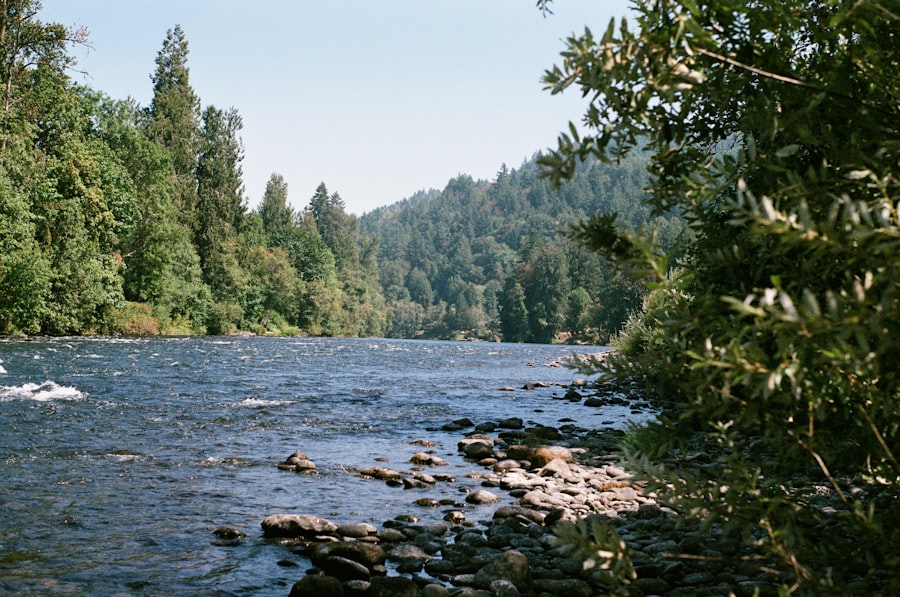
Deforestation has far-reaching consequences that extend beyond the loss of trees; it significantly impacts waterways and the ecosystems they support. When trees are removed from an area, the soil becomes more susceptible to erosion, leading to increased sedimentation in rivers and streams. As you reflect on this process, you may realize that sedimentation can smother aquatic habitats, disrupt food chains, and degrade water quality.
The loss of tree cover also means less filtration of pollutants, which can lead to harmful runoff entering waterways and affecting both aquatic life and human health. Furthermore, deforestation can alter local hydrology, changing how water flows through an area. Without trees to absorb rainfall and release it slowly into the ground, you may notice an increase in surface runoff during storms.
This can lead to flooding and increased water temperatures, both of which can have detrimental effects on aquatic ecosystems. As you consider the broader implications of deforestation, it becomes clear that protecting forests is essential for maintaining healthy waterways and ensuring the well-being of all living organisms that depend on them.
The Benefits of Planting Trees Along Waterways
Planting trees along waterways offers a multitude of benefits that extend beyond mere aesthetics. When you take part in tree-planting initiatives, you are actively contributing to improved water quality. Trees act as natural filters, trapping pollutants and absorbing excess nutrients before they can enter the waterway.
This process helps maintain a balanced ecosystem and supports the health of aquatic life. As you engage with your local environment, you may find satisfaction in knowing that your efforts are making a tangible difference in preserving water quality for future generations. In addition to enhancing water quality, trees provide critical habitat for wildlife.
By creating a diverse range of environments along waterways, you encourage various species to thrive. Birds nest in tree branches, insects find shelter in bark crevices, and small mammals forage among the roots. As you witness this flourishing biodiversity, you may feel a sense of connection to nature and an appreciation for the intricate web of life that exists around you.
Planting trees along waterways not only benefits wildlife but also enriches your own experience of nature.
Best Practices for Planting Trees Along Waterways
When it comes to planting trees along waterways, there are several best practices that can help ensure success. First and foremost, selecting native tree species is crucial. Native trees are adapted to local conditions and provide essential habitat for native wildlife.
As you research suitable species for your area, consider factors such as soil type, moisture levels, and sunlight availability. By choosing the right trees for your specific environment, you increase the likelihood of successful growth and long-term sustainability. Another important practice is to create buffer zones between the waterway and any agricultural or developed land.
These buffer zones serve as protective barriers that help filter runoff before it reaches the waterway. When planting trees in these areas, consider spacing them appropriately to allow for healthy growth while maximizing their ecological benefits. Additionally, incorporating a mix of tree sizes and species can enhance biodiversity and resilience within the ecosystem.
As you engage in these practices, remember that patience is key; it may take time for newly planted trees to establish themselves fully and begin providing their myriad benefits.
The Impact of Restoring Waterways on Ecosystems
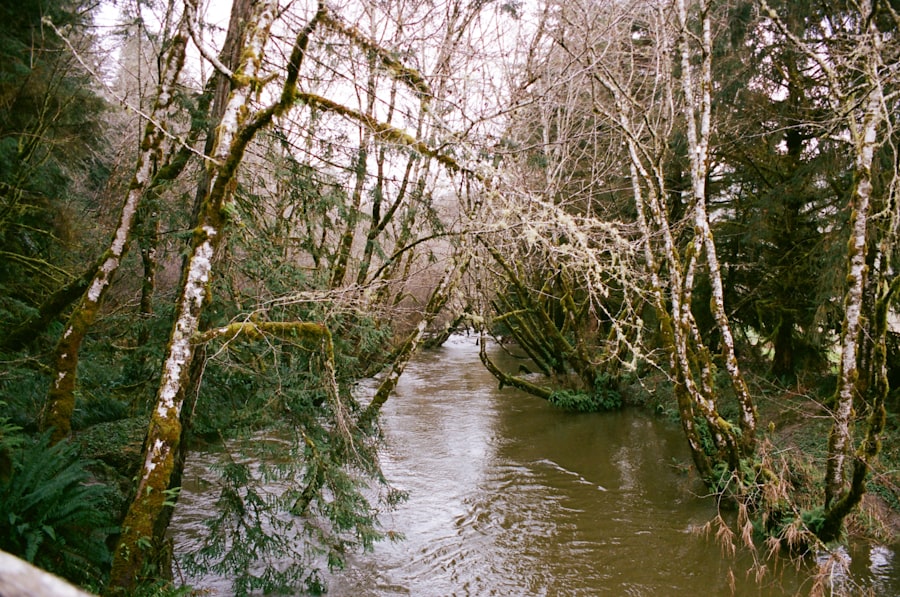
Restoring waterways has a profound impact on ecosystems, leading to enhanced biodiversity and improved overall health. When you participate in restoration efforts, you contribute to the revitalization of habitats that have been degraded over time. As these ecosystems recover, they become more resilient to environmental changes and better equipped to support diverse plant and animal life.
You may notice an increase in fish populations or the return of migratory birds as habitats are restored, creating a vibrant tapestry of life along the waterway. Moreover, healthy ecosystems provide essential services that benefit human communities as well. Restored waterways can improve water quality by filtering pollutants and reducing sedimentation.
This not only supports aquatic life but also ensures cleaner drinking water for nearby communities. Additionally, restored ecosystems can enhance recreational opportunities such as fishing, kayaking, or simply enjoying nature walks along scenic riverbanks. As you witness these positive changes firsthand, you may feel inspired to continue advocating for the restoration of waterways in your area.
Community Involvement in Restoring Waterways
Community involvement is a vital component of successful waterway restoration efforts. When individuals come together to address environmental challenges, they create a powerful force for change. You may find that participating in local restoration projects fosters a sense of connection with your community while also deepening your understanding of environmental issues.
Whether it’s joining a tree-planting event or participating in clean-up initiatives along riverbanks, your involvement can inspire others to take action as well. Furthermore, community engagement fosters a sense of stewardship over local natural resources. As you work alongside neighbors and fellow volunteers, you may develop a shared commitment to protecting and restoring waterways for future generations.
This collective effort not only enhances the ecological health of your area but also strengthens social bonds within your community. By actively participating in restoration projects, you contribute to a culture of environmental responsibility that can have lasting effects on both people and nature.
The Future of Restoring Waterways with Trees
Looking ahead, the future of restoring waterways with trees appears promising as awareness grows about the importance of healthy ecosystems. You may find that more communities are recognizing the value of integrating tree planting into their restoration efforts. Innovative approaches such as urban forestry programs or community-led reforestation initiatives are gaining traction as people seek sustainable solutions to environmental challenges.
As technology advances, tools such as drones for planting seeds or monitoring tree growth may become commonplace, making restoration efforts more efficient and effective. Moreover, collaboration between government agencies, non-profit organizations, and local communities will be crucial in shaping the future of waterway restoration. By working together toward common goals, stakeholders can pool resources and expertise to maximize their impact.
As you envision this collaborative future, consider how your own actions can contribute to these efforts—whether through advocacy, volunteering, or simply spreading awareness about the importance of restoring waterways with trees. The journey toward healthier ecosystems is ongoing, but with collective commitment and action, a brighter future awaits our waterways and the life they sustain.
In a related article on Stop Forest Burning: Save Trees and Animals, the importance of preserving trees and forests is highlighted as a crucial step in protecting our environment. Just as trees play a vital role in unclogging the arteries of the Earth by restoring waterways, they also serve as a natural defense against the devastating effects of forest fires. By understanding the interconnectedness of our ecosystems and the benefits of trees, we can work towards a healthier planet for future generations.
FAQs
What is the importance of restoring waterways with trees?
Restoring waterways with trees is important because trees help to stabilize riverbanks, reduce erosion, filter pollutants, and provide habitat for wildlife. Additionally, trees can help to regulate water flow, reduce flooding, and improve water quality.
How do trees help to unclog the arteries of the Earth?
Trees help to unclog the arteries of the Earth by absorbing excess nutrients and pollutants from the water, reducing sedimentation, and providing shade to cool the water temperature. This helps to create a healthier and more balanced ecosystem for aquatic life.
What are some examples of tree species that are beneficial for restoring waterways?
Some examples of tree species that are beneficial for restoring waterways include willows, poplars, alders, and sycamores. These trees are known for their ability to stabilize riverbanks, improve water quality, and provide habitat for wildlife.
What are some common techniques for restoring waterways with trees?
Common techniques for restoring waterways with trees include riparian buffer planting, streamside reforestation, and floodplain restoration. These techniques involve planting trees along riverbanks, streams, and floodplains to improve water quality and habitat.
What are the environmental benefits of restoring waterways with trees?
Restoring waterways with trees can have several environmental benefits, including improved water quality, reduced erosion, increased biodiversity, and enhanced ecosystem resilience. Additionally, trees can help to mitigate the impacts of climate change by sequestering carbon and reducing the risk of flooding.