Have you ever wondered what might be contributing to the rising global temperatures, beyond the usual suspect of carbon emissions from fossil fuels? In the discussion of global warming, one major factor often gets overlooked – deforestation. The clearing of forests not only depletes the planet of its natural beauty but also accelerates climate change in subtle yet profound ways.
Understanding Deforestation
What Is Deforestation?
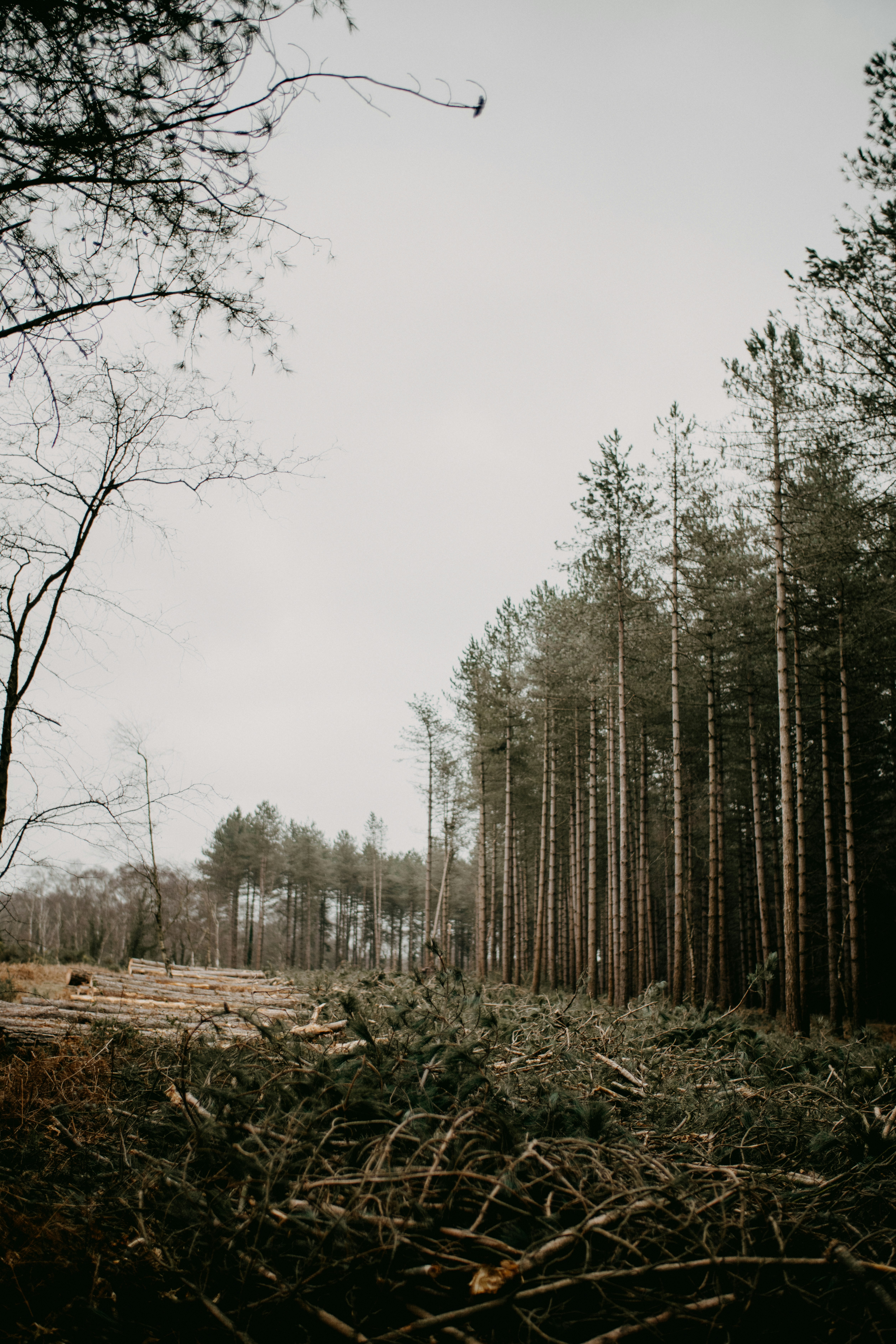
Deforestation refers to the large-scale removal of forested land, primarily for agriculture, urban expansion, and logging. When forests are cleared, the ecosystems within them face a drastic change, leading to irreversible damage to plant and animal life. This act isn’t just about cutting down trees; it’s about uprooting an entire biosphere that plays a critical role in maintaining Earth’s environmental balance.
Why Is It Happening?
The primary drivers of deforestation include agricultural expansion, logging, and infrastructure development. As the global population grows and the demand for resources increases, more forests are converted into farmland or urban areas. Logging, both legal and illegal, also plays a significant role as industries seek raw materials for products like paper and furniture.
The Connection Between Deforestation and Global Warming
How Trees Trap Carbon
Trees act like giant sponges, soaking up carbon dioxide (CO_2) from the atmosphere during the process of photosynthesis. This CO_2 is stored in the wood, leaves, and soil, effectively keeping it out of the air where it would contribute to the greenhouse effect and global warming.
| Components | Role in Carbon Storage |
|---|---|
| Wood | Stores carbon for decades, even centuries |
| Leaves | Short-term carbon storage, part of carbon cycle |
| Soil | Long-term storage, holds more carbon than plants |
The Impact of Deforestation on Carbon Levels
When forests are cleared, not only is this CO_2 trapped in trees released back into the atmosphere, but the capacity for future carbon absorption is also reduced. This process turns forests from carbon sinks into carbon sources, significantly accelerating the greenhouse effect.

Consequences of Increased Greenhouse Gases
Rising Average Temperatures
The most direct consequence of increased greenhouse gases is the rise in global temperatures. This warming leads to a cascade of environmental effects, including melting ice caps, rising sea levels, and more frequent extreme weather events.
Altered Weather Patterns
With higher temperatures, the climate becomes more erratic. You might notice more intense hurricanes, prolonged droughts, or unexpected frosts, all of which can have devastating impacts on agriculture, human health, and wildlife.
The Role of Forests in the Water Cycle
How Forests Affect Rainfall
Forests play a crucial role in maintaining the water cycle. They absorb rainfall and release water vapor back into the atmosphere through a process known as transpiration. This moisture helps form clouds and, eventually, precipitation.
Impact on Local and Global Weather
Deforestation alters these natural processes, leading to changes in local and global weather patterns. For instance, reduced rainfall can lead to droughts, affecting both local agriculture and global food supplies. The loss of forestlands can also result in decreased humidity and altered wind patterns, further disrupting the climate.

Biodiversity Loss and Its Implications
What Is Biodiversity?
Biodiversity refers to the variety of life forms within a particular habitat or ecosystem. Healthy forests are teeming with different species of plants, animals, and microorganisms, each playing a role in the ecosystem’s functionality.
The Impact of Deforestation on Biodiversity
When forests are destroyed, the habitat for countless species is wiped out, leading to extinction and biodiversity loss. This loss isn’t just a blow to the natural world but also poses severe implications for human life. Many medicines, foods, and other resources we depend on originate from these diverse ecosystems.
Socio-Economic Impact of Deforestation
Effects on Indigenous Communities
Many indigenous communities rely on forests for their livelihood, culture, and traditions. The destruction of these forests consequently extinguishes their way of life, pushing them into poverty and marginalization.
Economic Consequences
While deforestation may seem economically beneficial in the short term, it leads to long-term financial losses. Loss of biodiversity can affect industries like pharmaceuticals, and the changing climate can disrupt agriculture, leading to food shortages and higher prices.
Efforts to Combat Deforestation
International Policies
Several international agreements aim to curtail deforestation, such as the United Nations REDD+ program (Reducing Emissions from Deforestation and Forest Degradation). These policies encourage countries to reduce forest loss through financial incentives and support for sustainable practices.
Reforestation and Afforestation
Efforts are also underway to restore lost forests through reforestation (replanting trees in deforested areas) and afforestation (planting trees in areas that were not previously forested). These initiatives help to rebuild ecosystems and increase the capacity for carbon absorption.
What Can You Do?
Sustainable Consumption
One of the most effective ways you can help is by making sustainable choices. Opt for products that are certified to be environmentally friendly, such as those with the FSC (Forest Stewardship Council) label. Reduce your paper usage, recycle, and choose products made from recycled materials.
Support Conservation Initiatives
Whether through donations, volunteering, or advocacy, supporting conservation initiatives can have a significant impact. Many organizations are actively working to protect forests and the species that inhabit them.
Spread Awareness
Knowledge is power. By educating yourself and others about the impacts of deforestation and the importance of forests, you contribute to the collective effort needed to tackle this global issue. Share information on social media, participate in community discussions, and encourage others to take action.

Conclusion
Deforestation is indeed a silent accomplice in the battle against global warming. While the emissions from fossil fuels are frequently acknowledged, the role of forest loss is often sidelined. By understanding the intricate connections between deforestation and climate change, and taking proactive steps to mitigate its impact, we can make a meaningful difference. The health of our planet’s forests is not just an environmental issue but a foundation for human sustainability that warrants our earnest attention and action.