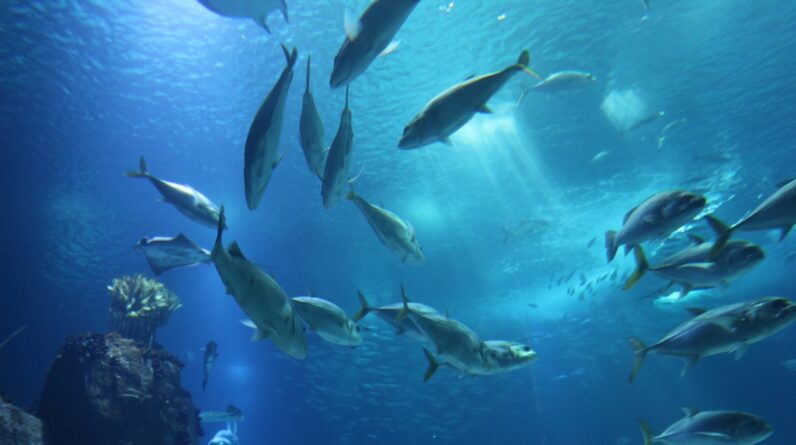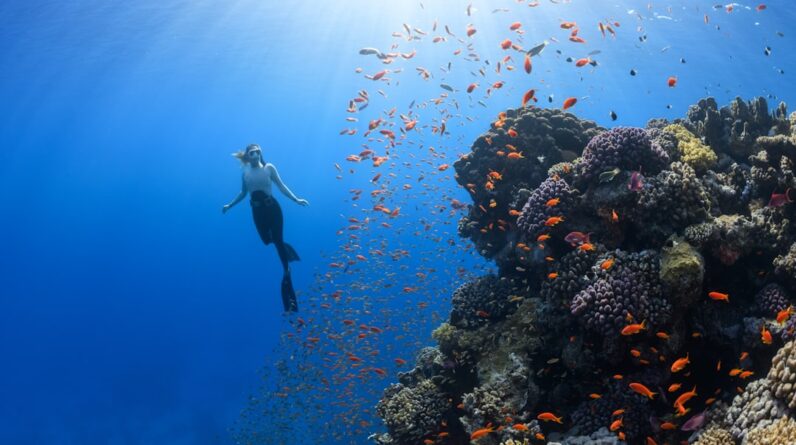
When you think about the air you breathe, it’s easy to overlook the vital role that oceans play in oxygen production. Oceans are not just vast bodies of water; they are dynamic ecosystems teeming with life. In fact, it is estimated that marine plants, particularly phytoplankton, contribute to about 50% of the world’s oxygen supply.
These microscopic organisms, along with seaweeds and other aquatic plants, engage in photosynthesis, a process that converts sunlight into energy while releasing oxygen as a byproduct. This means that every breath you take is, in part, a gift from the ocean. Healthy oceans are crucial not only for oxygen production but also for maintaining the balance of our planet’s ecosystems.
They act as carbon sinks, absorbing carbon dioxide from the atmosphere and helping to mitigate climate change. The intricate relationships between marine organisms and their environments create a delicate balance that supports life both in the water and on land. When you consider the interconnectedness of life on Earth, it becomes clear that protecting ocean health is essential for sustaining the air you breathe and the climate you live in.
Key Takeaways
- Healthy oceans are crucial for oxygen production, as they are responsible for producing over half of the world’s oxygen.
- Human activities such as pollution, overfishing, and climate change have a significant impact on the health of our oceans, leading to decreased oxygen production and ecosystem degradation.
- Restoring and protecting ocean ecosystems through measures such as marine protected areas, sustainable fishing practices, and reducing plastic pollution is essential for maintaining healthy oceans and sustaining oxygen production.
- Marine life, particularly phytoplankton and algae, play a vital role in oxygen production through photosynthesis, highlighting the importance of preserving diverse marine ecosystems.
- The health of our oceans is closely linked to climate change, with rising temperatures and ocean acidification posing significant threats to marine life and oxygen production.
Human Activities and Their Impact on Ocean Health
As you navigate through your daily life, it’s important to recognize how human activities can adversely affect ocean health. Pollution is one of the most significant threats facing our oceans today. From plastic waste to chemical runoff, contaminants enter marine environments and disrupt ecosystems.
You may have seen images of marine animals entangled in plastic or suffering from ingesting harmful substances. These pollutants not only harm marine life but also compromise the ability of oceans to produce oxygen and support biodiversity. Overfishing is another critical issue that you should be aware of.
Unsustainable fishing practices deplete fish populations and disrupt food chains, leading to imbalances in marine ecosystems. When key species are removed from their habitats, it can have cascading effects on other organisms, including those responsible for oxygen production. Additionally, climate change, driven by human activities such as fossil fuel consumption, is causing ocean temperatures to rise and acidification to increase.
These changes threaten coral reefs and other vital habitats, further jeopardizing the health of our oceans.
Strategies for Restoring and Protecting Ocean Ecosystems
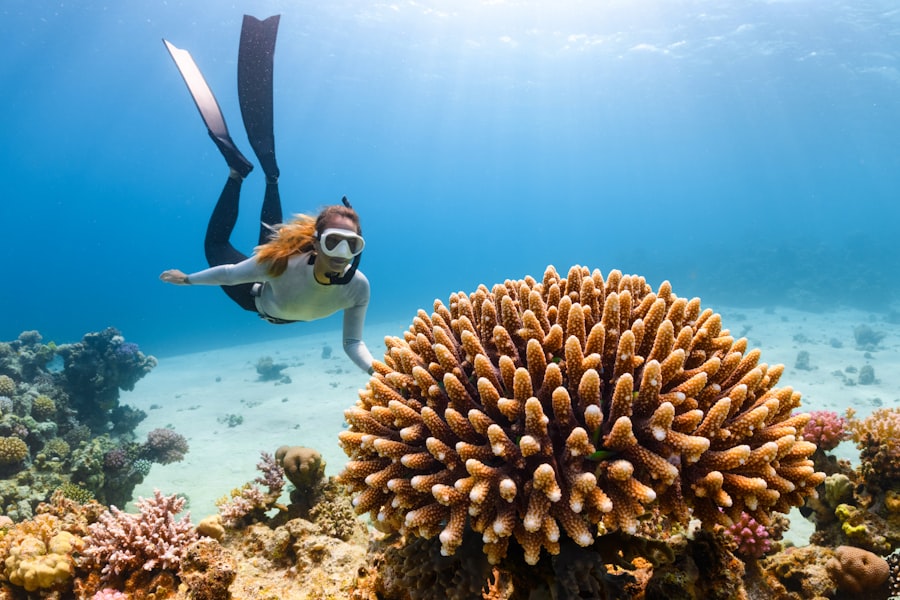
To combat the challenges facing our oceans, various strategies can be implemented to restore and protect these vital ecosystems. One effective approach is the establishment of marine protected areas (MPAs). By designating specific regions as off-limits to certain human activities, you can help safeguard critical habitats and allow marine life to thrive.
MPAs can serve as refuges for endangered species and promote biodiversity, ultimately enhancing the ocean’s capacity for oxygen production. Another strategy involves promoting sustainable fishing practices. By supporting local fisheries that prioritize ecological balance and responsible harvesting methods, you contribute to the long-term health of marine ecosystems.
Additionally, reducing plastic consumption and advocating for better waste management practices can significantly decrease pollution levels in oceans. You can also participate in beach clean-ups or support organizations dedicated to ocean conservation efforts. Every small action counts when it comes to protecting these vital ecosystems.
The Role of Marine Life in Oxygen Production
Marine life plays an indispensable role in oxygen production, and understanding this can deepen your appreciation for the ocean’s complexity. Phytoplankton, often referred to as the “lungs of the Earth,” are microscopic organisms that float near the surface of the ocean. They harness sunlight and nutrients to produce oxygen through photosynthesis, making them a cornerstone of marine food webs.
As you learn more about these tiny powerhouses, you may find it fascinating that they are responsible for producing more oxygen than all the forests combined. In addition to phytoplankton, larger marine plants such as seagrasses and kelp forests also contribute significantly to oxygen production. Seagrasses provide essential habitats for various marine species while simultaneously absorbing carbon dioxide and releasing oxygen into the water.
Kelp forests, on the other hand, create underwater ecosystems that support diverse marine life. By recognizing the importance of these organisms, you can better understand why protecting their habitats is crucial for maintaining healthy oceans and ensuring a stable supply of oxygen.
The Connection Between Ocean Health and Climate Change
The relationship between ocean health and climate change is intricate and multifaceted. As you delve into this connection, you’ll discover that healthy oceans can help mitigate climate change effects while simultaneously being affected by them. Oceans absorb a significant portion of carbon dioxide emissions, which helps regulate global temperatures.
However, increased carbon absorption leads to ocean acidification, threatening marine life and ecosystems. Moreover, rising sea temperatures disrupt marine habitats and contribute to coral bleaching events. Coral reefs are not only biodiversity hotspots but also play a crucial role in supporting fish populations that contribute to oxygen production.
As you consider these factors, it becomes evident that addressing climate change is essential for preserving ocean health. By reducing greenhouse gas emissions and advocating for sustainable practices, you can contribute to a healthier planet and a more stable climate.
Innovative Technologies for Monitoring and Improving Ocean Health
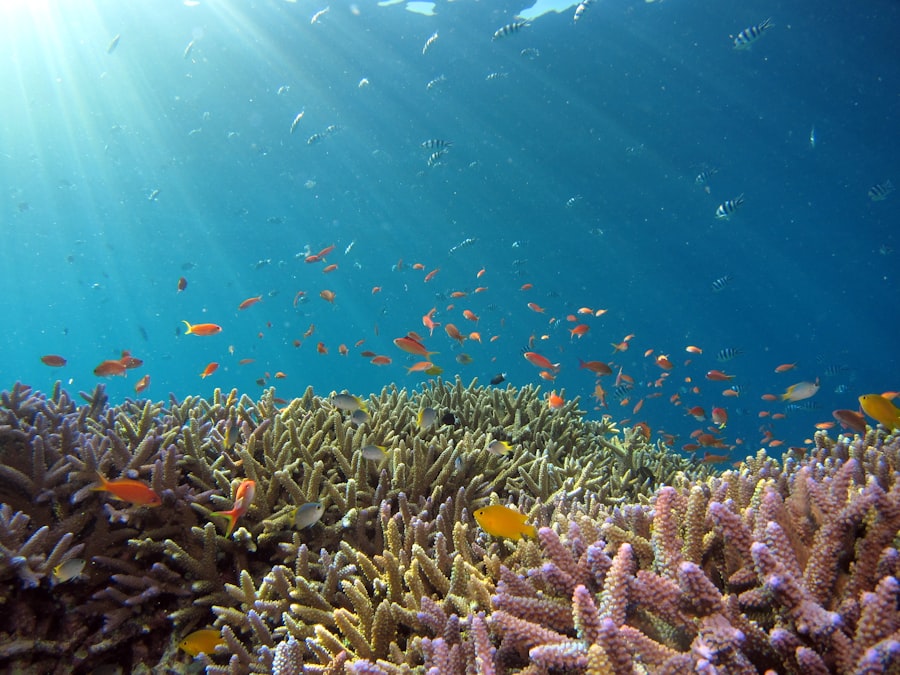
In your quest to understand and protect ocean health, innovative technologies are emerging as powerful tools for monitoring and improving marine ecosystems. Remote sensing technologies, such as satellites equipped with advanced imaging capabilities, allow scientists to track changes in ocean temperature, salinity, and chlorophyll levels from space. This data provides valuable insights into the health of marine environments and helps identify areas in need of protection or restoration.
Additionally, underwater drones and autonomous vehicles are being utilized to explore deep-sea ecosystems that were once inaccessible. These technologies enable researchers to gather data on marine life and habitats while minimizing human impact on fragile environments. As you engage with these advancements, consider how they can enhance our understanding of ocean health and inform conservation efforts.
By supporting research initiatives that leverage these technologies, you can play a part in safeguarding our oceans for future generations.
Collaborative Efforts to Revive Our Oceans
Reviving our oceans requires collective action from individuals, communities, governments, and organizations worldwide. Collaborative efforts are essential for addressing the complex challenges facing marine ecosystems. You can participate in local initiatives aimed at promoting sustainable practices or join global movements advocating for ocean conservation policies.
By working together with like-minded individuals, you amplify your impact and contribute to meaningful change. International agreements such as the Paris Agreement highlight the importance of global cooperation in tackling climate change and its effects on oceans. By supporting policies that prioritize ocean health and sustainability, you can help create a framework for collaborative action on a larger scale.
Engaging with local communities to raise awareness about ocean conservation can also foster a sense of stewardship among individuals who may not yet recognize their connection to marine ecosystems.
The Benefits of Reviving Our Oceans for Oxygen Production
Reviving our oceans has far-reaching benefits that extend beyond just oxygen production; it enhances overall ecosystem health and resilience. When you support efforts to restore marine habitats like coral reefs and seagrass beds, you contribute to increased biodiversity and improved water quality. Healthy ecosystems are better equipped to withstand environmental stressors such as climate change and pollution, ensuring a stable supply of oxygen for all living beings.
Moreover, revitalized oceans can bolster local economies through sustainable tourism and fishing practices. As communities recognize the value of healthy marine environments, they become more invested in protecting them. This creates a positive feedback loop where both people and nature thrive together.
By advocating for ocean conservation and participating in restoration efforts, you not only help secure a healthier planet but also ensure that future generations can enjoy the benefits of clean air and vibrant marine ecosystems. In conclusion, understanding the importance of healthy oceans for oxygen production is crucial for everyone who inhabits this planet. By recognizing the impact of human activities on ocean health and actively participating in restoration efforts, you can contribute to a sustainable future where both people and nature coexist harmoniously.
The journey toward reviving our oceans may be challenging, but with collective action and innovative solutions, it is possible to create a healthier world for all living beings.
Reviving Our Oceans for Better Oxygen Production is crucial for the health of our planet. However, it is important to consider the potential consequences of increased tree planting on the environment. According to a related article on Livelifewithacause.org, there are concerns that planting too many trees could unbalance the world’s ecosystems. It is essential to strike a balance between tree planting efforts and preserving the delicate balance of our planet’s ecosystems.
FAQs
What is the importance of reviving our oceans for better oxygen production?
Reviving our oceans is crucial for better oxygen production as oceans are the primary source of oxygen on Earth. Phytoplankton, which are found in oceans, produce more than half of the world’s oxygen through photosynthesis. Therefore, healthier oceans lead to increased oxygen production.
How can reviving our oceans improve oxygen production?
Reviving our oceans can improve oxygen production by restoring the health of marine ecosystems, which in turn supports the growth of phytoplankton and other oxygen-producing organisms. This can be achieved through measures such as reducing pollution, protecting marine habitats, and combating climate change.
What are the consequences of declining oxygen production in the oceans?
Declining oxygen production in the oceans can lead to a range of negative consequences, including the loss of marine biodiversity, the disruption of food chains, and the creation of oxygen-deprived “dead zones” where marine life cannot survive. This can have far-reaching impacts on both ocean ecosystems and the global climate.
What are some strategies for reviving our oceans for better oxygen production?
Strategies for reviving our oceans for better oxygen production include reducing carbon emissions to mitigate climate change, implementing sustainable fishing practices to protect marine ecosystems, and establishing marine protected areas to conserve biodiversity. Additionally, efforts to reduce pollution and improve water quality can also contribute to healthier oceans and increased oxygen production.