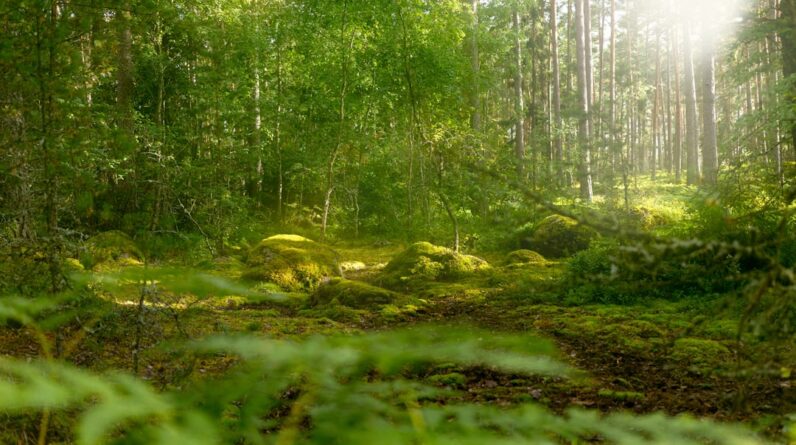
Reforestation plays a crucial role in the restoration of ecosystems that have been degraded or destroyed. When you think about the natural world, it’s easy to overlook the intricate web of life that trees support. Forests are not just collections of trees; they are vibrant ecosystems that provide habitat for countless species, regulate water cycles, and contribute to soil health.
By reintroducing trees into these environments, you help to restore balance and promote the recovery of flora and fauna that depend on these habitats. This process is essential for revitalizing areas that have suffered from deforestation, urbanization, or natural disasters. Moreover, reforestation can lead to the revival of ecosystem services that are vital for human survival.
Trees play a significant role in carbon sequestration, which helps to mitigate climate change. They also improve air quality by filtering pollutants and producing oxygen. When you participate in reforestation efforts, you are not only contributing to the restoration of ecosystems but also enhancing the quality of life for people in surrounding communities.
Healthy ecosystems provide food, clean water, and recreational opportunities, making reforestation a multifaceted approach to environmental restoration.
Key Takeaways
- Reforestation is crucial for restoring ecosystems by replenishing tree cover and promoting biodiversity.
- Reforestation plays a significant role in mitigating climate change by absorbing carbon dioxide and reducing greenhouse gas emissions.
- Reforestation serves as a tool for biodiversity conservation by providing habitats for various plant and animal species.
- The economic benefits of reforestation include job creation, sustainable timber production, and increased property values.
- Reforestation contributes to water resource management by preventing soil erosion, regulating water flow, and improving water quality.
The Role of Reforestation in Mitigating Climate Change
As you consider the pressing issue of climate change, it becomes clear that reforestation is a powerful tool in combating its effects. Trees absorb carbon dioxide from the atmosphere, acting as natural carbon sinks. When you plant a tree, you are directly contributing to the reduction of greenhouse gases that contribute to global warming.
This process is particularly important as the world grapples with rising temperatures and extreme weather events. By increasing forest cover, you can help stabilize the climate and create a more sustainable future. In addition to carbon sequestration, reforestation can enhance local climates by influencing rainfall patterns and reducing temperatures.
Forests act as natural air conditioners, providing shade and cooling the surrounding areas. When you engage in reforestation projects, you are not only addressing climate change on a global scale but also improving local microclimates. This dual impact underscores the importance of trees in both mitigating climate change and enhancing community resilience against its effects.
Reforestation as a Tool for Biodiversity Conservation
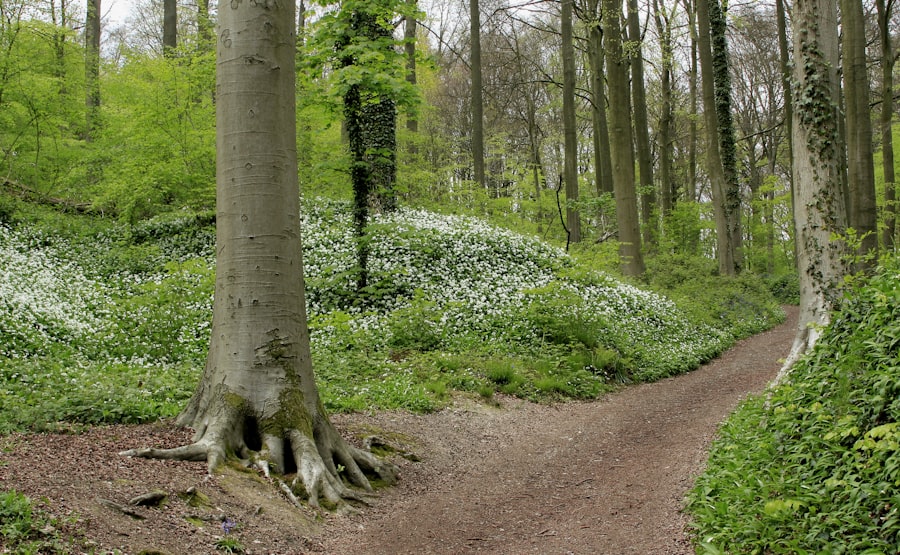
Biodiversity is essential for the health of our planet, and reforestation serves as a vital strategy for conserving it. When you think about biodiversity, consider the myriad of species that rely on forests for their survival. From insects to mammals, forests provide habitat and food sources for countless organisms.
By participating in reforestation efforts, you are helping to create and restore habitats that support this rich diversity of life. This is particularly important in areas where deforestation has led to habitat fragmentation and loss. Furthermore, reforestation can help to reconnect fragmented ecosystems, allowing species to migrate and thrive.
As you plant trees and restore forests, you create corridors that facilitate movement between habitats. This connectivity is crucial for maintaining genetic diversity and enabling species to adapt to changing environmental conditions. By engaging in reforestation initiatives, you contribute to a larger movement aimed at preserving the intricate balance of life on Earth.
The Economic Benefits of Reforestation
Reforestation is not only an environmental imperative but also an economic opportunity. When you invest in tree planting and forest restoration, you are contributing to job creation and economic development in local communities. The forestry sector can provide employment opportunities in areas such as tree nursery management, planting, and maintenance.
Additionally, sustainable forestry practices can lead to long-term economic benefits through timber production and non-timber forest products like fruits, nuts, and medicinal plants. Moreover, reforestation can enhance ecosystem services that have direct economic value. Healthy forests contribute to tourism by attracting visitors who seek outdoor experiences such as hiking, birdwatching, and eco-tourism.
When you support reforestation efforts, you are not only helping the environment but also fostering economic resilience in communities that depend on these natural resources for their livelihoods.
Reforestation and Water Resource Management
Water is a precious resource, and reforestation plays a significant role in its management. Trees help regulate the water cycle by absorbing rainfall and releasing moisture back into the atmosphere through a process known as transpiration. When you engage in reforestation efforts, you contribute to improved water quality and availability in surrounding areas.
Forested watersheds are essential for maintaining clean drinking water supplies and supporting agricultural activities. Additionally, reforested areas can help mitigate flooding by absorbing excess rainwater and reducing runoff. This is particularly important in regions prone to heavy rainfall or storms.
By planting trees and restoring forests, you are actively participating in a natural solution to water management challenges. This not only benefits ecosystems but also enhances community resilience against water-related issues.
Community Engagement and Reforestation Efforts
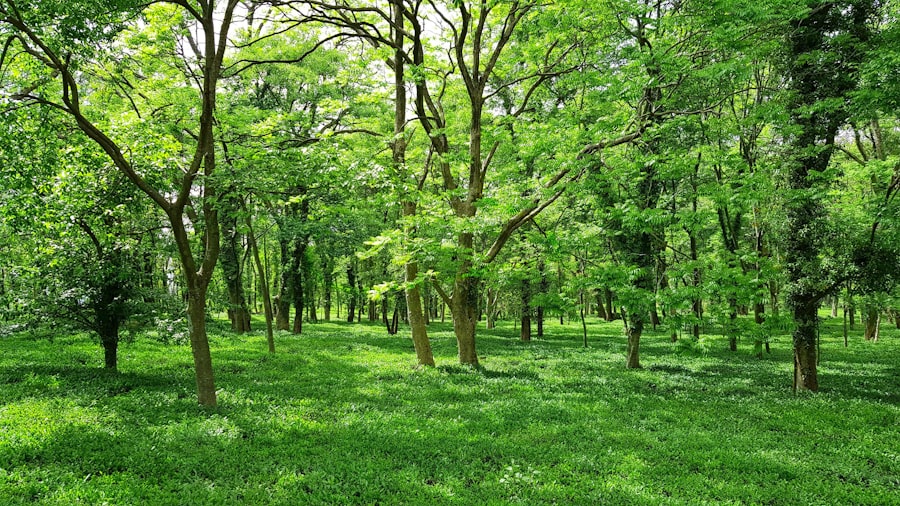
Community engagement is a cornerstone of successful reforestation initiatives. When you involve local communities in tree planting efforts, you foster a sense of ownership and responsibility towards the environment. Engaging with community members allows for the incorporation of traditional knowledge and practices that can enhance the effectiveness of reforestation projects.
By working together, you can identify native species that are best suited for the local ecosystem and ensure that restoration efforts align with community needs. Moreover, community involvement in reforestation can lead to educational opportunities that raise awareness about environmental issues. Workshops and training sessions can empower individuals with the knowledge needed to care for newly planted trees and understand their importance in maintaining healthy ecosystems.
By fostering a culture of stewardship within communities, you contribute to long-term sustainability and resilience against environmental challenges.
Challenges and Limitations of Reforestation
While reforestation offers numerous benefits, it is not without its challenges and limitations. One significant hurdle is ensuring that the right species are planted in appropriate locations. When you engage in reforestation efforts, it’s essential to consider factors such as soil type, climate conditions, and existing biodiversity.
Planting non-native species or trees that do not thrive in specific environments can lead to unintended consequences, including competition with native flora. Additionally, funding and resources can pose challenges for large-scale reforestation projects. Securing financial support for tree planting initiatives often requires collaboration between governments, non-profit organizations, and private sectors.
As you consider participating in reforestation efforts, it’s important to recognize these challenges while advocating for sustainable practices that prioritize ecological integrity.
The Future of Reforestation: Innovations and Opportunities
Looking ahead, the future of reforestation is filled with innovations and opportunities that can enhance its effectiveness. Advances in technology are paving the way for more efficient tree planting methods, such as drone-assisted planting and remote sensing for monitoring forest health. These innovations can significantly increase the scale at which reforestation efforts can be implemented while minimizing costs.
Moreover, there is growing recognition of the importance of integrating reforestation with other environmental initiatives such as agroforestry and permaculture. By combining tree planting with sustainable agricultural practices, you can create systems that benefit both people and the planet. This holistic approach not only enhances biodiversity but also improves food security and economic resilience.
In conclusion, reforestation is a multifaceted solution that addresses ecological restoration, climate change mitigation, biodiversity conservation, economic development, water resource management, community engagement, and more. As you consider your role in this vital effort, remember that every tree planted contributes to a healthier planet for future generations. Embrace the opportunities presented by reforestation initiatives and become an active participant in creating a sustainable future for all living beings on Earth.
If you are interested in learning more about the impact of massive tree planting on combatting global warming, check out the article org/live-life-with-a-cause/’>Live Life with a Cause.
FAQs
What is reforestation?
Reforestation is the process of planting trees in areas where forests have been depleted or destroyed, with the goal of restoring the ecological balance and biodiversity of the area.
What are the benefits of reforestation?
Reforestation helps to mitigate climate change by absorbing carbon dioxide from the atmosphere, provides habitat for wildlife, improves soil health, and helps to regulate water cycles.
How does reforestation contribute to building resilient ecosystems?
Reforestation plays a crucial role in building resilient ecosystems by restoring biodiversity, stabilizing soil, preventing erosion, and providing a buffer against extreme weather events.
What are some challenges associated with reforestation?
Challenges associated with reforestation include securing funding and resources, selecting appropriate tree species for the specific ecosystem, and ensuring the long-term survival of the newly planted trees.
What are some successful examples of reforestation projects?
Successful reforestation projects include the Atlantic Forest Reforestation Project in Brazil, the Bonn Challenge, and the Great Green Wall initiative in Africa. These projects have demonstrated the potential of reforestation in building resilient ecosystems.