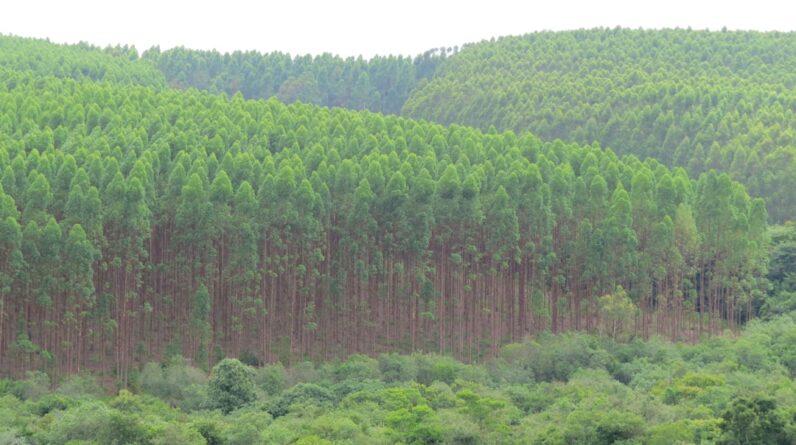
As you look around the world today, the urgency of reforestation efforts has never been more pronounced. Deforestation, driven by agriculture, urbanization, and logging, has led to significant loss of biodiversity and increased carbon emissions. In response, global initiatives have emerged, aiming to restore forests and combat climate change.
The United Nations has set ambitious targets, such as the Bonn Challenge, which seeks to restore 150 million hectares of deforested and degraded land by 2020, and the UN Decade on Ecosystem Restoration (2021-2030), which aims to revive ecosystems worldwide. These initiatives reflect a growing recognition of the critical role forests play in maintaining ecological balance and supporting human life. However, despite these efforts, the current state of global reforestation is mixed.
While some regions have seen significant progress, others continue to struggle with deforestation rates that outpace restoration efforts. According to the Global Forest Resources Assessment, the world lost approximately 10 million hectares of forest annually between 2015 and 2020. This alarming trend highlights the need for more robust policies and community engagement in reforestation projects.
You may find it encouraging that many countries are now prioritizing reforestation in their national agendas, recognizing that restoring forests is not just an environmental imperative but also a pathway to sustainable development.
Key Takeaways
- Global reforestation efforts are gaining momentum, but there is still a long way to go in restoring the world’s forests.
- Countries like China, India, and Ethiopia are leading the way in reforestation efforts, setting ambitious targets and implementing large-scale tree planting initiatives.
- Challenges in reforestation include deforestation, land degradation, and lack of funding and resources, which hinder progress in restoring forests.
- Successful reforestation initiatives and strategies include community involvement, agroforestry, and reforestation of degraded lands, leading to positive environmental and social impacts.
- Reforestation has the potential to create economic opportunities, mitigate climate change, and restore biodiversity, making it a crucial tool in addressing global environmental challenges.
Countries Leading the Way in Reforestation
When you consider countries that are making strides in reforestation, several stand out for their innovative approaches and commitment to restoring their natural landscapes. For instance, Ethiopia has gained international attention for its ambitious plan to plant 4 billion trees in a single year. This initiative, launched in 2019, is part of a broader effort to combat climate change and restore degraded land across the country.
By mobilizing citizens and leveraging local knowledge, Ethiopia has demonstrated how grassroots involvement can lead to significant environmental change. Another notable example is China, which has invested heavily in reforestation over the past few decades. The country has implemented large-scale afforestation projects, such as the Green Great Wall initiative, aimed at combating desertification and restoring ecosystems.
By planting billions of trees across its northern regions, China is not only addressing environmental degradation but also improving air quality and enhancing biodiversity. As you explore these success stories, it becomes clear that leadership in reforestation often involves a combination of government policy, community engagement, and innovative practices tailored to local conditions.
Challenges and Obstacles in Reforestation
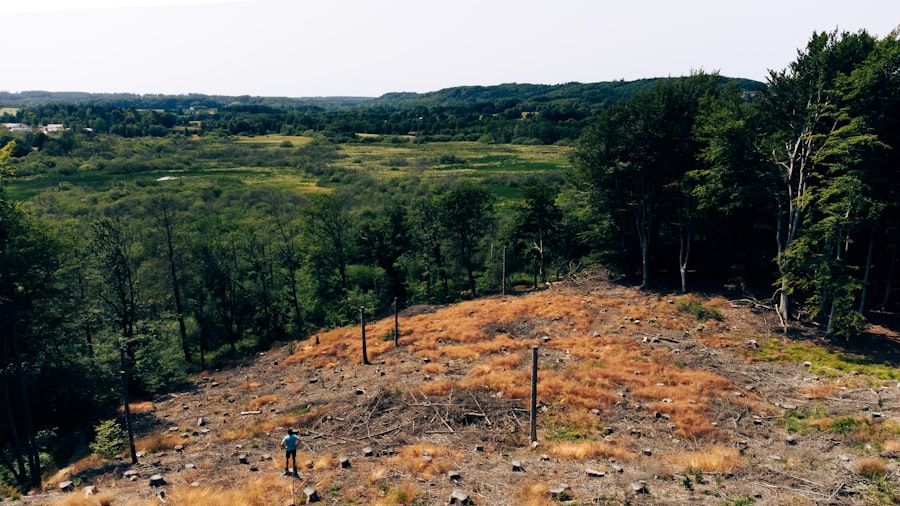
Despite the progress made in various countries, reforestation efforts face numerous challenges that can hinder their effectiveness. One significant obstacle is the lack of funding and resources necessary for large-scale projects. Many developing nations struggle to secure the financial support needed to implement comprehensive reforestation programs.
Without adequate investment, it becomes difficult to sustain long-term initiatives that require ongoing maintenance and monitoring. Additionally, you may find that social and political factors play a crucial role in the success of reforestation efforts. Land tenure issues can complicate restoration projects, particularly in regions where land ownership is disputed or unclear.
Local communities may be resistant to reforestation initiatives if they feel excluded from decision-making processes or if their livelihoods are threatened by new policies. Engaging local populations and ensuring their participation is essential for overcoming these challenges and fostering a sense of ownership over reforestation efforts.
Successful Reforestation Initiatives and Strategies
As you delve deeper into successful reforestation initiatives, you’ll discover a variety of strategies that have proven effective in different contexts. One such approach is agroforestry, which integrates trees into agricultural landscapes. This method not only enhances biodiversity but also improves soil health and increases crop yields.
By promoting agroforestry practices, countries can achieve dual benefits: restoring forests while supporting local farmers’ livelihoods. Another successful strategy involves community-based reforestation programs that empower local populations to take charge of restoration efforts. For example, in Nepal, community forestry initiatives have allowed local groups to manage forest resources sustainably.
By involving communities in decision-making processes and providing them with the tools they need to succeed, these programs have led to significant increases in forest cover while also improving local economies. As you explore these initiatives, it becomes evident that successful reforestation requires a multifaceted approach that considers ecological, social, and economic factors.
The Economic and Environmental Impact of Reforestation
The impact of reforestation extends far beyond environmental benefits; it also has significant economic implications. As you consider the potential of restored forests, you’ll find that they can provide a wealth of resources for local communities. Sustainable timber production, non-timber forest products like fruits and nuts, and ecotourism opportunities can all contribute to economic growth while promoting conservation efforts.
By investing in reforestation, countries can create jobs and stimulate local economies while simultaneously addressing climate change. From an environmental perspective, reforestation plays a crucial role in mitigating climate change by sequestering carbon dioxide from the atmosphere. Forests act as carbon sinks, absorbing CO2 and helping to regulate global temperatures.
Additionally, restored forests enhance biodiversity by providing habitats for countless species and improving ecosystem resilience. As you reflect on these impacts, it becomes clear that reforestation is not merely an environmental endeavor; it is an essential component of sustainable development that can yield long-term benefits for both people and the planet.
The Role of Technology in Reforestation
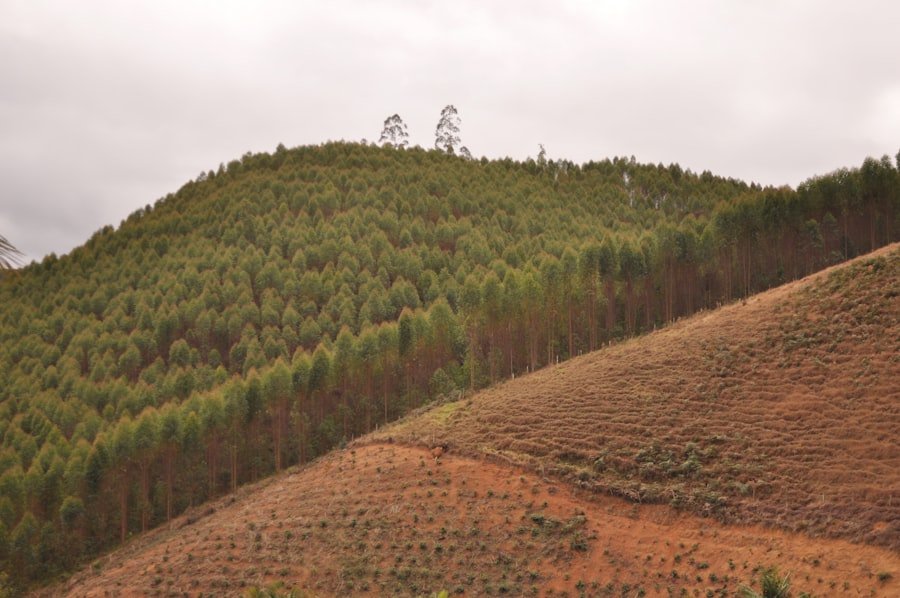
In today’s digital age, technology is revolutionizing the way we approach reforestation efforts. You may be intrigued by how innovations such as drones, satellite imagery, and artificial intelligence are being harnessed to enhance restoration projects. Drones can be used for aerial seed dispersal, allowing for rapid planting over large areas that may be difficult to access on foot.
This technology not only speeds up the reforestation process but also reduces labor costs. Moreover, satellite imagery enables researchers and policymakers to monitor forest health and track changes over time. By analyzing data on deforestation rates and forest cover, stakeholders can make informed decisions about where to focus their reforestation efforts.
Artificial intelligence is also playing a role in predicting which tree species will thrive in specific environments, helping to ensure that restoration projects are ecologically sound. As you explore these technological advancements, you’ll see how they are transforming the landscape of reforestation and making it more efficient and effective.
International Collaboration and Partnerships in Reforestation
The complexity of global reforestation challenges necessitates collaboration across borders and sectors. You may find it inspiring that numerous international organizations are working together to promote reforestation initiatives worldwide. Partnerships between governments, non-governmental organizations (NGOs), and private companies are essential for pooling resources and expertise to tackle deforestation effectively.
One notable example is the Trillion Trees Initiative, a collaboration between organizations like WWF, BirdLife International, and the Wildlife Conservation Society aimed at conserving and restoring one trillion trees by 2030. Such partnerships leverage diverse skill sets and funding sources to maximize impact on a global scale. As you consider the importance of collaboration in reforestation efforts, it becomes evident that collective action is key to overcoming challenges and achieving meaningful results.
The Future of Reforestation: Opportunities and Goals
Looking ahead, the future of reforestation holds immense potential for positive change. As awareness of climate change continues to grow, you may feel encouraged by the increasing commitment from governments and organizations worldwide to prioritize forest restoration as part of their climate action plans. The integration of reforestation into national policies presents an opportunity for countries to align their economic development goals with environmental sustainability.
Moreover, as technology continues to advance, new opportunities will arise for innovative solutions in reforestation efforts. From improved seed genetics to enhanced monitoring techniques, the tools available for restoring forests will only become more sophisticated over time. As you contemplate these possibilities, it’s clear that with concerted effort and collaboration, we can work towards a future where forests thrive once again—providing essential resources for humanity while safeguarding our planet’s ecological balance.
In conclusion, your engagement with global reforestation efforts can contribute significantly to addressing one of the most pressing challenges of our time—climate change and environmental degradation. By understanding the current state of these initiatives, recognizing leading countries’ successes, acknowledging challenges faced, exploring successful strategies, appreciating economic impacts, embracing technology’s role, fostering international collaboration, and envisioning future opportunities, you can become an informed advocate for sustainable practices that promote a greener planet for generations to come.
In a related article on Live Life with a Cause, the importance of purpose-driven actions in reforestation efforts is highlighted. The article discusses how individuals and organizations can make a positive impact on the environment by planting trees with a clear purpose in mind. To read more about how purpose-driven initiatives can contribute to the reforestation race, visit Live Life with a Cause.
FAQs
What is the global reforestation race?
The global reforestation race refers to the efforts of countries around the world to increase their forest cover through planting trees and restoring degraded forest areas.
Why is reforestation important?
Reforestation is important for several reasons, including mitigating climate change by absorbing carbon dioxide, preserving biodiversity, preventing soil erosion, and providing livelihoods for local communities.
How is the reforestation race being measured?
The reforestation race is being measured through various indicators, including the amount of forest cover, the rate of deforestation, the number of trees planted, and the effectiveness of forest restoration efforts.
Which countries are leading the reforestation race?
Countries such as China, India, and Ethiopia are often cited as leaders in the reforestation race due to their ambitious tree planting initiatives and successful forest restoration programs.
What are the challenges in the global reforestation race?
Challenges in the global reforestation race include deforestation for agricultural expansion, illegal logging, lack of funding for reforestation projects, and the impacts of climate change on forest ecosystems.
What are some successful reforestation initiatives around the world?
Successful reforestation initiatives include the Great Green Wall project in Africa, the Billion Tree Tsunami in Pakistan, and the National Afforestation Program in India, among others.