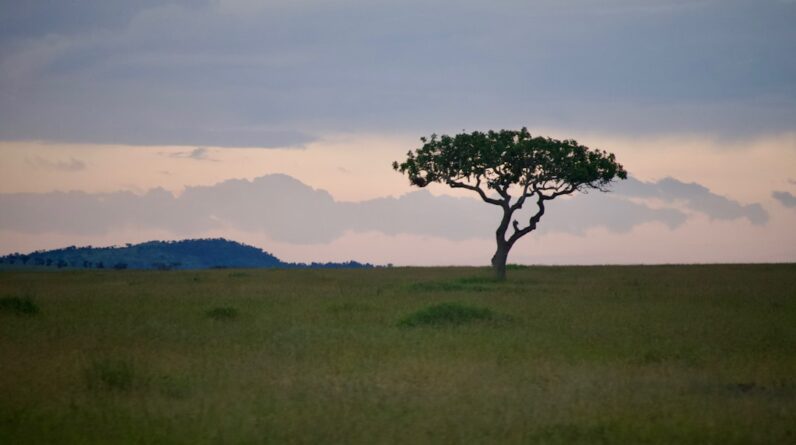
Imagine a place once plagued by the shadows of poaching, where the cries of endangered species echoed in the silence of their dwindling habitats. This area, once a hotspot for illegal hunting, has undergone a remarkable transformation into a thriving wildlife paradise. The journey from devastation to rejuvenation is not just a tale of nature’s resilience but also a testament to human determination and collaboration.
As you delve into this narrative, you will discover how concerted efforts have turned the tide, creating a sanctuary where wildlife flourishes and ecosystems thrive. The metamorphosis of this region serves as an inspiring example of what can be achieved when communities, governments, and conservationists unite for a common cause. The story unfolds against a backdrop of rich biodiversity, where once-endangered species now roam freely, and the balance of nature is restored.
This article will take you through the history of poaching in the area, the initiatives that have been implemented to combat it, and the ongoing efforts to ensure that this wildlife paradise continues to thrive for generations to come.
Key Takeaways
- The transformation of a poaching hotspot into a thriving wildlife paradise showcases the potential for conservation efforts to make a significant impact.
- The history of poaching in the area had devastating effects on wildlife populations, leading to a decline in endangered species and a disruption of the local ecosystem.
- Efforts to combat poaching and protect wildlife in the region have included increased law enforcement, community engagement, and the establishment of protected areas.
- Successful conservation initiatives, such as habitat restoration and anti-poaching measures, have led to the recovery of endangered species and a healthier local ecosystem.
- The return of endangered species to the area and their increasing populations demonstrate the positive impact of conservation efforts on wildlife populations and biodiversity.
The history of poaching in the area and its impact on wildlife populations
To understand the current state of this wildlife paradise, it is essential to reflect on its troubled past. Poaching has long been a significant threat to wildlife populations in this region. Driven by demand for ivory, horns, and exotic animal parts, illegal hunting decimated populations of elephants, rhinos, and big cats.
The consequences were dire; entire species faced extinction, and the delicate balance of the ecosystem was disrupted. As you explore the history of poaching here, you will see how these actions not only harmed individual species but also had cascading effects on the environment. The impact of poaching extended beyond the immediate loss of animal life.
As key species disappeared, so too did their roles in maintaining ecological balance. For instance, the decline of large herbivores led to overgrowth of vegetation, which in turn affected smaller species that relied on specific habitats. The once vibrant landscapes became eerily quiet, with fewer animals to be seen or heard.
This stark reality serves as a reminder of the fragility of ecosystems and the urgent need for protective measures to safeguard wildlife.
Efforts to combat poaching and protect wildlife in the region
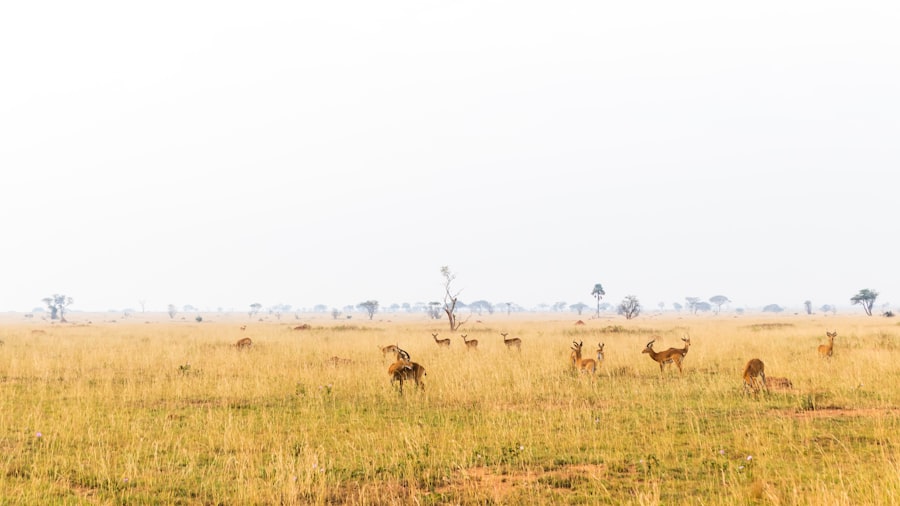
In response to the alarming decline in wildlife populations due to poaching, various stakeholders have come together to implement robust strategies aimed at combating this illegal activity. Governments, non-governmental organizations (NGOs), and local communities have collaborated to create comprehensive anti-poaching initiatives that address both enforcement and education. You will find that these efforts are multifaceted, focusing not only on protecting animals but also on empowering local communities to take an active role in conservation.
One significant approach has been the establishment of protected areas and wildlife reserves where poaching is strictly monitored. These zones serve as safe havens for endangered species, allowing them to thrive without the constant threat of hunters. Additionally, anti-poaching patrols have been intensified, employing trained rangers who work tirelessly to safeguard these areas.
Community engagement has also been crucial; by involving locals in conservation efforts, they become stewards of their environment rather than adversaries. This shift in perspective has proven vital in reducing poaching incidents and fostering a sense of ownership over local wildlife.
Successful conservation initiatives and their impact on the local ecosystem
As you delve deeper into the conservation initiatives that have taken root in this region, you will discover numerous success stories that highlight the positive impact on local ecosystems. One such initiative involves habitat restoration projects aimed at reviving areas that had been severely affected by poaching and habitat loss. By reintroducing native plant species and creating corridors for wildlife movement, these projects have helped restore ecological balance and promote biodiversity.
Moreover, community-led conservation programs have emerged as powerful tools for change. These initiatives often focus on sustainable practices that benefit both wildlife and local livelihoods. For instance, eco-friendly farming techniques have been introduced to reduce human-wildlife conflict while providing communities with alternative sources of income.
As you explore these successful initiatives, you will see how they not only enhance biodiversity but also improve the quality of life for local residents.
The return of endangered species to the area and their increasing populations
One of the most heartening outcomes of these conservation efforts is the resurgence of endangered species that were once on the brink of extinction. As you witness the return of these majestic animals to their natural habitats, you cannot help but feel a sense of hope for the future. Species such as elephants and rhinos are now being spotted more frequently, their populations steadily increasing thanks to protective measures and habitat restoration.
The revival of these species has far-reaching implications for the ecosystem as a whole. As keystone species, their presence helps maintain the structure and function of their habitats. For example, elephants play a crucial role in shaping landscapes by uprooting trees and creating clearings that benefit other species.
Their return signifies not only a victory for conservationists but also a restoration of ecological integrity that benefits all forms of life within the region.
The role of local communities in the conservation efforts and their benefits from wildlife tourism
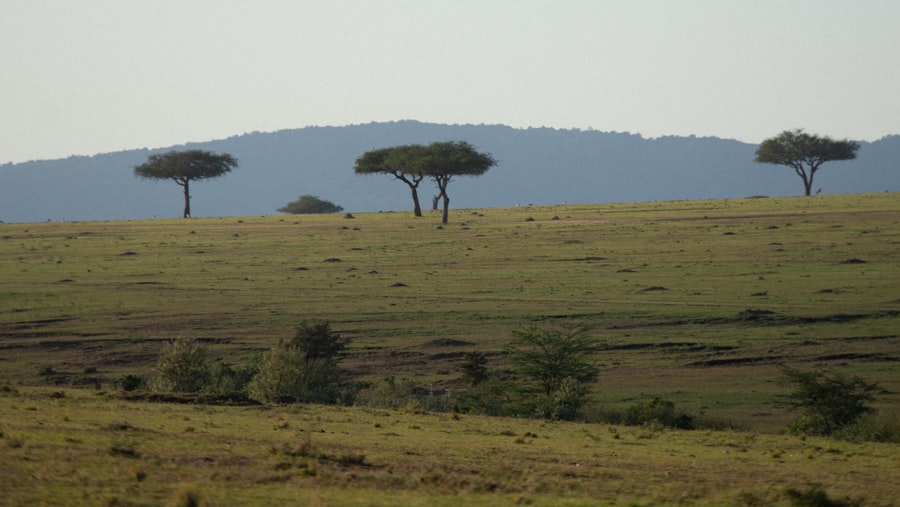
Local communities have emerged as vital partners in the conservation journey, playing an instrumental role in protecting wildlife while reaping economic benefits from sustainable practices. As you explore this aspect further, you will find that community involvement has transformed attitudes toward wildlife from viewing them as threats to recognizing their value as assets for tourism and cultural heritage. Wildlife tourism has become a significant source of income for many local residents.
By promoting eco-tourism initiatives that showcase the region’s natural beauty and biodiversity, communities have found ways to generate revenue while fostering a sense of pride in their environment. This shift not only provides financial stability but also encourages locals to actively participate in conservation efforts, ensuring that they have a vested interest in protecting their natural resources.
Challenges and ongoing threats to the wildlife paradise
Despite the remarkable progress made in transforming this area into a wildlife paradise, challenges remain that threaten its future. Poaching continues to be an ongoing concern, with illegal hunting networks adapting to enforcement measures. As you consider these challenges, it becomes clear that sustained vigilance is necessary to protect vulnerable species from renewed threats.
Additionally, habitat loss due to agricultural expansion and urban development poses significant risks to wildlife populations. As human populations grow and land use changes, natural habitats are increasingly fragmented, making it difficult for animals to migrate and find food. Climate change further complicates matters by altering ecosystems and affecting species’ survival rates.
Addressing these challenges requires innovative solutions and continued collaboration among all stakeholders involved in conservation efforts.
The future of the area as a model for successful wildlife conservation and sustainable ecotourism
Looking ahead, this region stands poised to serve as a model for successful wildlife conservation and sustainable ecotourism practices worldwide. The lessons learned from its transformation can inspire similar initiatives in other areas facing similar challenges. As you reflect on this journey, it becomes evident that collaboration among governments, NGOs, local communities, and tourists is essential for creating lasting change.
The future holds promise not only for wildlife but also for local communities that depend on healthy ecosystems for their livelihoods. By prioritizing sustainable practices and fostering a culture of conservation, this area can continue to thrive as a sanctuary for endangered species while providing economic opportunities for its residents. As you envision this future, you can see how it embodies hope—a testament to what can be achieved when people come together with a shared vision for preserving our planet’s natural heritage.
If you are interested in learning more about the impact of planting trees on the environment, you may want to check out the article Why Is Planting Trees Bad for the Environment?. This article discusses some of the potential disadvantages of planting trees for climate change and highlights the importance of considering all aspects of tree planting initiatives. It offers a different perspective on the benefits and drawbacks of tree planting efforts, providing valuable insights for those interested in environmental conservation.
FAQs
What was the previous status of the area mentioned in the article?
The area was previously a hotspot for poaching and illegal wildlife trade.
What measures were taken to change the status of the area?
Efforts were made to increase law enforcement, establish protected areas, and promote sustainable tourism.
What is the current status of the area mentioned in the article?
The area has transformed into a wildlife paradise, with thriving populations of various species and a boost in ecotourism.
What impact has the transformation had on the local community?
The transformation has brought economic opportunities to the local community through ecotourism and conservation efforts.