
As you navigate the complexities of the modern world, the intersection of artificial intelligence (AI) and climate change emerges as a critical area of focus. Climate change, a pressing global challenge, threatens ecosystems, economies, and communities worldwide. The urgency to address this issue has never been more pronounced, and innovative solutions are essential for mitigating its impacts.
Enter AI, a transformative technology that holds the potential to revolutionize how we understand, monitor, and combat climate change. By harnessing vast amounts of data and employing sophisticated algorithms, AI can provide insights that were previously unattainable, enabling more effective responses to this global crisis. The integration of AI into climate change initiatives is not merely a technological advancement; it represents a paradigm shift in how you can approach environmental challenges.
From predicting weather patterns to optimizing energy consumption, AI’s capabilities are vast and varied. As you delve deeper into this topic, you will discover how AI can enhance our understanding of climate dynamics, improve resource management, and foster sustainable practices across various sectors. The journey ahead is one of exploration and innovation, where the synergy between AI and climate action could pave the way for a more sustainable future.
Key Takeaways
- AI has the potential to revolutionize the way we monitor, predict, mitigate, and adapt to climate change.
- AI can improve the accuracy and efficiency of climate change monitoring and prediction through advanced data analysis and modeling.
- AI can optimize renewable energy systems, improve energy efficiency, and enable better integration of renewable energy sources into the grid.
- AI can help in developing and implementing climate change mitigation strategies, such as carbon capture and storage, and in adapting to climate change impacts.
- AI can enhance sustainable agriculture and forestry practices by optimizing resource use, improving crop yields, and monitoring and managing forests for better carbon sequestration.
AI in Climate Change Monitoring and Prediction
When it comes to monitoring climate change, AI serves as a powerful ally. You may be aware that traditional methods of data collection and analysis often fall short in capturing the rapid changes occurring in our environment. However, AI can process vast datasets from satellites, sensors, and other sources at unprecedented speeds.
This capability allows for real-time monitoring of climate variables such as temperature fluctuations, sea-level rise, and greenhouse gas emissions. By employing machine learning algorithms, AI can identify patterns and trends that might otherwise go unnoticed, providing you with a clearer picture of the evolving climate landscape. Moreover, AI’s predictive capabilities are invaluable in anticipating future climate scenarios.
You might find it fascinating that AI models can simulate various climate conditions based on historical data, helping scientists and policymakers forecast potential impacts on ecosystems and human societies. For instance, by analyzing historical weather patterns alongside current data, AI can predict extreme weather events with greater accuracy. This predictive power not only aids in disaster preparedness but also informs strategic planning for infrastructure development and resource allocation.
As you consider the implications of these advancements, it becomes evident that AI is not just a tool; it is a game-changer in the realm of climate change monitoring and prediction.
AI in Renewable Energy
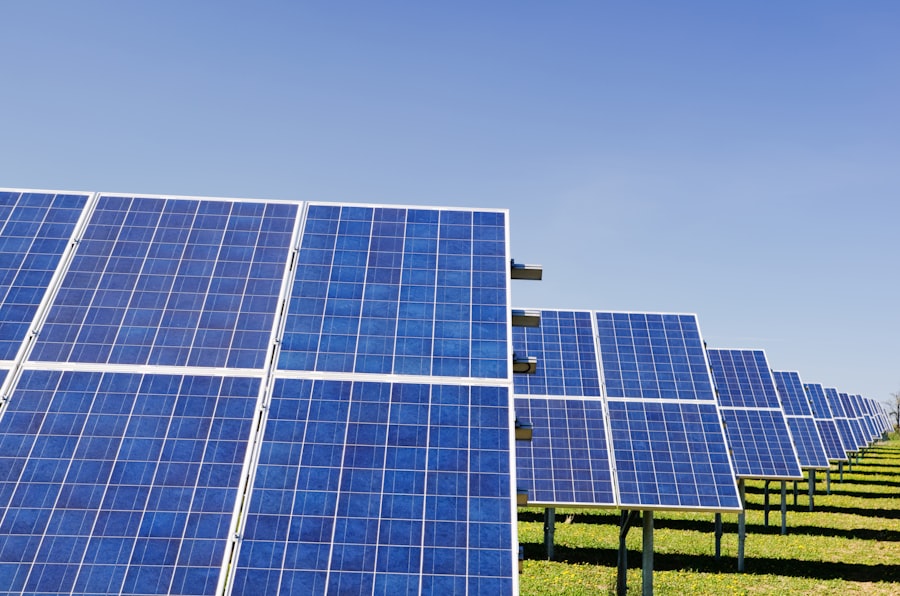
The transition to renewable energy sources is crucial in combating climate change, and AI plays a pivotal role in this transformation. As you explore the renewable energy landscape, you will find that AI technologies are being employed to optimize energy production and consumption. For instance, machine learning algorithms can analyze data from wind turbines and solar panels to predict energy output based on weather conditions.
This predictive capability allows energy providers to manage supply more effectively, ensuring that renewable sources are utilized to their fullest potential. In addition to optimizing energy production, AI can enhance energy efficiency across various sectors. You may be intrigued to learn how smart grids powered by AI can dynamically adjust energy distribution based on real-time demand.
This not only reduces waste but also minimizes reliance on fossil fuels during peak consumption periods. Furthermore, AI-driven energy management systems can help households and businesses monitor their energy usage patterns, providing insights that encourage more sustainable practices. As you reflect on these advancements, it becomes clear that AI is not just facilitating the shift to renewable energy; it is actively shaping a more sustainable energy future.
AI in Climate Change Mitigation and Adaptation
As you consider the multifaceted challenges posed by climate change, the role of AI in mitigation and adaptation strategies becomes increasingly significant. Mitigation efforts aim to reduce greenhouse gas emissions and limit global warming, while adaptation strategies focus on adjusting to the changes that are already occurring. In both areas, AI offers innovative solutions that can enhance effectiveness and efficiency.
For example, AI can optimize transportation systems by analyzing traffic patterns and suggesting routes that minimize fuel consumption. This not only reduces emissions but also improves air quality in urban areas. On the adaptation front, AI can assist communities in developing resilience against climate impacts.
You might find it compelling that AI models can analyze local vulnerabilities—such as flood risks or heatwaves—and recommend tailored adaptation strategies. For instance, cities can use AI to design green infrastructure that mitigates flooding while enhancing urban biodiversity. By leveraging data-driven insights, communities can make informed decisions about resource allocation and infrastructure development, ultimately fostering resilience in the face of climate change.
AI in Sustainable Agriculture and Forestry
Sustainable agriculture and forestry practices are essential for addressing climate change while ensuring food security and preserving ecosystems. As you explore this topic further, you’ll discover how AI technologies are transforming these sectors by promoting efficiency and sustainability. In agriculture, precision farming techniques powered by AI enable farmers to optimize crop yields while minimizing resource use.
By analyzing soil health data, weather forecasts, and crop performance metrics, farmers can make informed decisions about irrigation, fertilization, and pest control. In forestry management, AI can play a crucial role in monitoring forest health and biodiversity. You may be interested to learn that satellite imagery combined with machine learning algorithms can detect changes in forest cover or identify areas at risk of disease or pest infestations.
This information allows for proactive management strategies that protect vital ecosystems while also sequestering carbon dioxide from the atmosphere. As you reflect on these advancements in agriculture and forestry, it becomes evident that AI is not only enhancing productivity but also promoting sustainable practices that align with climate goals.
AI in Climate Change Policy and Governance

The integration of AI into climate change policy and governance represents a significant opportunity for enhancing decision-making processes at all levels. As you consider the complexities of climate policy, you may recognize that data-driven insights are essential for crafting effective strategies. AI can analyze vast amounts of information related to emissions data, economic impacts, and social factors to inform policymakers about the potential consequences of various actions.
This analytical power enables governments to develop more targeted policies that address specific challenges within their jurisdictions. Furthermore, AI can facilitate stakeholder engagement by providing platforms for public participation in climate decision-making processes. You might find it intriguing that AI-driven tools can analyze public sentiment regarding climate policies or initiatives, helping policymakers understand community concerns and preferences.
By fostering transparency and inclusivity in governance, AI can enhance trust between governments and citizens while promoting collaborative efforts to combat climate change. As you contemplate the implications of these advancements, it becomes clear that AI has the potential to reshape how we approach climate governance.
Ethical Considerations of AI in Climate Change
While the potential benefits of AI in addressing climate change are substantial, ethical considerations must also be at the forefront of discussions surrounding its implementation. As you engage with this topic, you may recognize that the deployment of AI technologies raises questions about equity, accountability, and transparency. For instance, there is a risk that marginalized communities may be disproportionately affected by decisions made based on AI-driven analyses if their voices are not adequately represented in the data used for training algorithms.
Moreover, the environmental impact of developing and deploying AI technologies cannot be overlooked. You might find it concerning that training large-scale machine learning models requires significant computational resources, which can contribute to carbon emissions if not managed sustainably. As you reflect on these ethical dilemmas, it becomes evident that a balanced approach is necessary—one that prioritizes both technological advancement and social responsibility.
Engaging diverse stakeholders in discussions about ethical frameworks will be essential for ensuring that AI serves as a force for good in the fight against climate change.
The Future of AI in Climate Change Solutions
Looking ahead, the future of AI in climate change solutions appears promising yet complex. As you consider the rapid pace of technological advancement, it is clear that ongoing research and innovation will play a crucial role in shaping how AI contributes to environmental sustainability. You may envision a world where AI systems become increasingly sophisticated at integrating diverse datasets—from satellite imagery to social media sentiment—allowing for more nuanced understanding and responses to climate challenges.
Moreover, collaboration between governments, businesses, researchers, and civil society will be essential for maximizing the potential of AI in addressing climate change. You might find it inspiring to think about how interdisciplinary partnerships can drive innovation while ensuring that ethical considerations remain central to decision-making processes. As you reflect on these possibilities, it becomes evident that the journey toward leveraging AI for climate solutions is just beginning—a journey filled with opportunities for creativity, collaboration, and meaningful impact on our planet’s future.
One related article that complements the discussion on how AI is being used to fight climate change is “How Does Planting Trees Help Climate Change?” This article explores the significant impact that reforestation and afforestation projects can have on reducing carbon dioxide levels in the atmosphere. By planting trees, we can help combat climate change by absorbing CO2 and releasing oxygen. To learn more about the benefits of planting trees in the fight against climate change, check out the article here.
FAQs
What is AI?
AI, or artificial intelligence, refers to the simulation of human intelligence in machines that are programmed to think and act like humans. This includes tasks such as learning, problem-solving, and decision-making.
How is AI being used to fight climate change?
AI is being used to fight climate change in various ways, including optimizing energy usage, improving renewable energy production, monitoring and predicting environmental changes, and developing more efficient transportation systems.
How is AI being used to fuel climate change?
AI is being used to fuel climate change through the development of technologies that increase energy consumption, such as data centers and high-powered computing systems. Additionally, AI-powered systems in industries like agriculture and manufacturing can contribute to environmental degradation if not used responsibly.
What are some examples of AI being used to fight climate change?
Examples of AI being used to fight climate change include smart grid technology for energy optimization, predictive analytics for weather and climate modeling, and autonomous vehicles for reducing emissions in transportation.
What are some potential risks of using AI to fight climate change?
Potential risks of using AI to fight climate change include the reliance on energy-intensive computing systems, the potential for biased or inaccurate data leading to ineffective solutions, and the displacement of human labor in industries affected by AI implementation.