Have you ever wondered how deforestation impacts global warming? It’s a complex topic, but understanding the greenhouse effect of deforestation can help clarify why preserving our forests is crucial. In this article, you will find in-depth information about how deforestation contributes to global warming, the role of forests in carbon sequestration, and what we can collectively do to mitigate the damage.

What is the Greenhouse Effect?
The greenhouse effect is a natural process where certain gases in Earth’s atmosphere trap heat, preventing it from escaping into space. While this effect is essential for maintaining the planet’s temperature, an imbalance can lead to global warming.
Key Greenhouse Gases
Various gases contribute to the greenhouse effect, but some are more potent than others. Here’s a table summarizing the significant greenhouse gases:
| Greenhouse Gas | Source | Impact on Global Warming |
|---|---|---|
| Carbon Dioxide (CO₂) | Fossil fuel combustion, deforestation | High |
| Methane (CH₄) | Agriculture, waste management | Very High |
| Nitrous Oxide (N₂O) | Agricultural activities, industrial processes | High |
| Chlorofluorocarbons (CFCs) | Refrigerants, solvents | Extremely High |
These gases differ in their ability to trap heat, known as Global Warming Potential (GWP).
Role of Forests in Carbon Sequestration
Forests play a critical role in the Earth’s climate system by absorbing carbon dioxide from the atmosphere through photosynthesis. This process is known as carbon sequestration.
How Carbon Sequestration Works
During photosynthesis, trees and other plants absorb CO₂ and convert it into oxygen and glucose. This reduces the amount of CO₂ in the atmosphere, helping to mitigate global warming. Forests act as carbon sinks, storing carbon in their biomass (trunks, branches, leaves) and soil.
Importance of Forests
- Climate Regulation: Forests help maintain global temperatures by moderating the greenhouse effect.
- Biodiversity: They provide habitats for countless species.
- Water Cycle: Forests play a critical role in the water cycle, influencing precipitation patterns and groundwater levels.
When forests are destroyed, their role as carbon sinks is compromised, and stored carbon is released back into the atmosphere.
How Deforestation Contributes to Global Warming
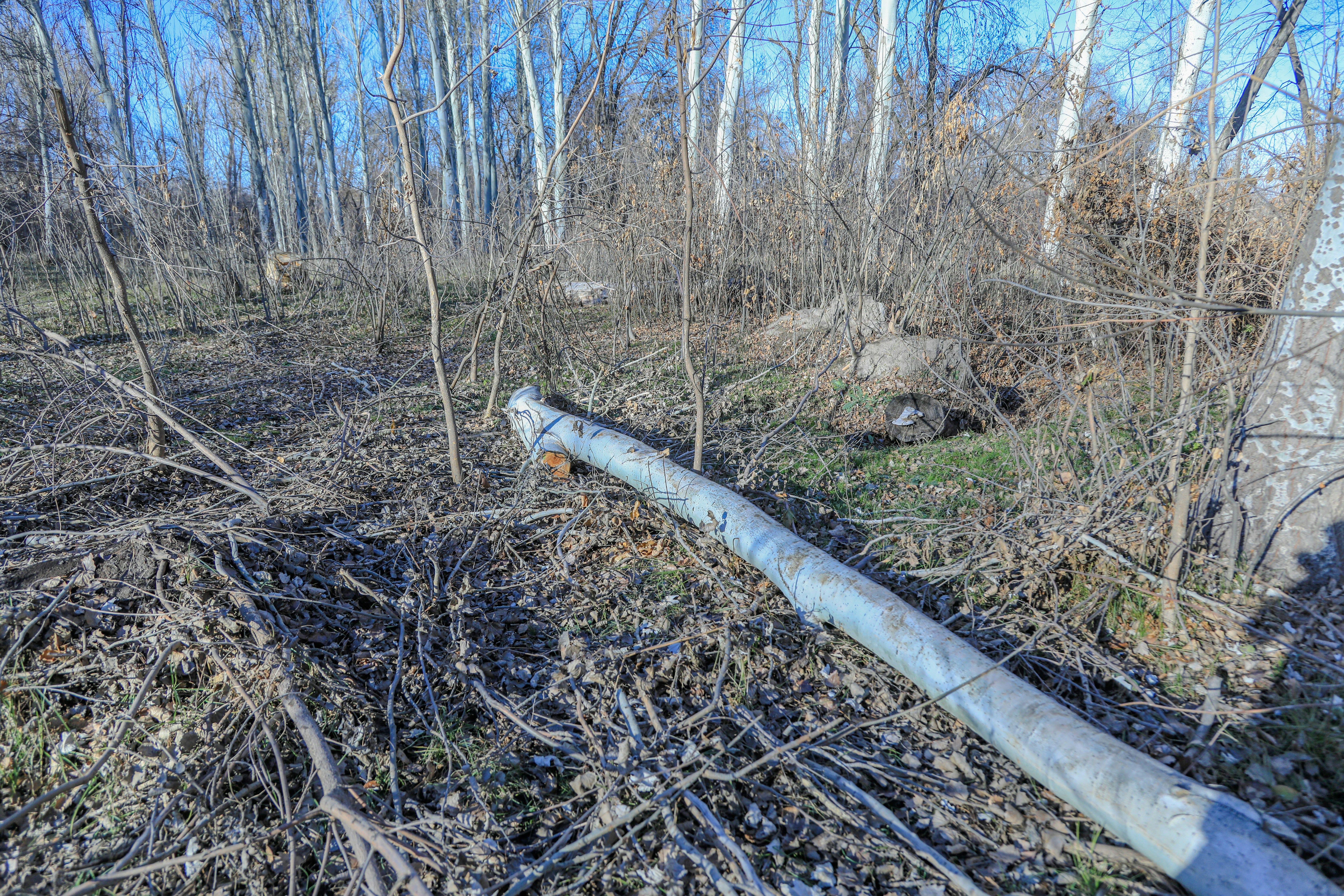
Deforestation, the large-scale removal of forests, has a profound impact on the environment.
Mechanisms of Deforestation Impact
- Carbon Release: Cutting down forests releases the carbon stored in trees and soil, increasing atmospheric CO₂ levels.
- Reduced Carbon Sequestration: Fewer trees mean less CO₂ absorption, exacerbating the greenhouse effect.
- Albedo Effect: Deforestation changes the Earth’s albedo (reflectivity), making the surface absorb more heat.
Human Activities Leading to Deforestation
Several human activities contribute to deforestation:
- Agriculture: The conversion of forest land into agricultural fields is one of the leading causes of deforestation.
- Logging: Both legal and illegal logging for timber and paper products have devastating impacts.
- Urbanization: Expanding cities and infrastructure projects often require clearing vast tracts of forest land.
Global Implications of Deforestation-Induced Global Warming
The consequences of deforestation are not limited to local ecosystems. They have far-reaching global implications.
Climate Change Acceleration
Deforestation accelerates climate change by increasing the levels of greenhouse gases in the atmosphere, thus enhancing the greenhouse effect.
Disruption of Weather Patterns
Changes in climate affect global weather patterns, leading to phenomena like extreme weather events, altered precipitation, and shifts in climatic zones.
Impact on Biodiversity
Loss of forest habitats leads to the extinction of numerous plant and animal species, reducing biodiversity and ecosystem resilience.

Strategies to Combat Deforestation
Addressing deforestation requires a multi-faceted approach involving policy changes, community engagement, and sustainable practices.
Policy and Legislation
- Stricter Regulations: Governments can implement stricter regulations to curb illegal logging and forest land conversion.
- Protected Areas: Creating more protected areas can help conserve critical forest ecosystems.
- Reforestation Initiatives: Policies promoting reforestation and afforestation can help restore degraded lands.
Community and Indigenous Participation
Local and indigenous communities often have profound knowledge of sustainable land use practices. Engaging these communities in conservation efforts is crucial.
Sustainable Practices
Changing agricultural and industrial practices can significantly reduce deforestation:
- Agroforestry: Integrating trees into agricultural lands to enhance biodiversity and soil health.
- Sustainable Logging: Adopting practices that allow forests to regenerate.
- Alternative Materials: Using alternatives to timber, like bamboo or recycled materials, can decrease the demand for wood products.
International Cooperation
Climate change is a global issue, requiring international collaboration. Countries can work together to share knowledge, resources, and technologies to combat deforestation.
Role of Technology in Mitigating Deforestation
Technological advancements offer innovative solutions to monitor and combat deforestation.
Satellite Monitoring
Satellites can track changes in forest cover in real-time, providing valuable data for conservationists and policymakers.
Remote Sensing and AI
Remote sensing technologies, combined with artificial intelligence, can analyze vast amounts of data to identify deforestation patterns and predict future trends.
Blockchain for Supply Chain Transparency
Blockchain technology can ensure supply chain transparency, reducing the market for illegally sourced timber by allowing consumers to trace products back to sustainable sources.
Personal Actions to Reduce Deforestation
You can contribute to reducing deforestation through everyday actions and choices.
Mindful Consumption
Choose products that are certified as sustainable, such as those carrying the Forest Stewardship Council (FSC) label.
Plant Trees
Engage in local tree-planting activities to help restore green cover in your community.
Support Environmental Organizations
Donate to or volunteer with organizations dedicated to forest conservation.
Conclusion
Understanding the greenhouse effect of deforestation on global warming is essential for crafting effective mitigation strategies. By protecting our forests, we can reduce greenhouse gas emissions, preserve biodiversity, and promote a more sustainable future for all. Taking action, both individually and collectively, can help ensure that forests continue to play their critical role in maintaining the Earth’s climate balance.