As you gaze upon the vast expanse of the sky, it’s easy to forget that the very air you breathe is part of a delicate balance that sustains life on Earth. This balance is maintained by what scientists refer to as the greenhouse effect, a natural phenomenon that keeps our planet warm enough to support life. However, this intricate system is under threat, and understanding its mechanics is crucial for your awareness of environmental issues.
The greenhouse effect is not merely a scientific concept; it is a vital component of Earth’s climate system that has far-reaching implications for all living beings. The Earth’s atmosphere acts like a greenhouse, trapping heat from the sun and preventing it from escaping back into space. This process is essential for maintaining a stable climate, allowing ecosystems to thrive.
Yet, as you delve deeper into the subject, you may find that human activities are disrupting this balance, leading to alarming changes in our environment. The urgency to comprehend the greenhouse effect and its implications cannot be overstated, as it directly impacts your life and the future of generations to come.
Key Takeaways
- The greenhouse effect is a natural process that keeps the Earth’s surface warm and habitable.
- Human activities, such as burning fossil fuels and deforestation, have intensified the greenhouse effect, leading to global warming and climate change.
- Signs of a shattered greenhouse include rising global temperatures, melting ice caps, and extreme weather events.
- The impact of a shattered greenhouse on the environment includes sea level rise, loss of biodiversity, and disruption of ecosystems.
- Solutions to mitigate the greenhouse effect include transitioning to renewable energy sources, reducing carbon emissions, and promoting sustainable practices.
The Science Behind the Greenhouse Effect
To grasp the significance of the greenhouse effect, you must first understand its scientific foundation. The Earth receives energy from the sun in the form of sunlight, which warms the planet’s surface. Some of this energy is absorbed by land and water, while the rest is reflected back into space.
Greenhouse gases, such as carbon dioxide, methane, and nitrous oxide, play a crucial role in this process. They act like a blanket around the Earth, trapping heat and preventing it from escaping. Without these gases, our planet would be inhospitably cold, making life as you know it impossible.
However, the balance of this system is delicate. When you burn fossil fuels or engage in activities that release excess greenhouse gases into the atmosphere, you contribute to an enhanced greenhouse effect. This leads to an increase in global temperatures, resulting in climate change.
The science behind this phenomenon is complex but essential for understanding how your actions can influence the environment. As you learn more about these processes, you may begin to see the interconnectedness of all living things and the importance of maintaining a stable climate.
Signs of Earth’s Greenhouse Shattering

As you observe the world around you, you may notice signs that suggest the greenhouse effect is becoming increasingly unstable. One of the most visible indicators is the rise in global temperatures. Over the past century, average temperatures have increased significantly, leading to more frequent and severe heatwaves.
You might also witness changes in weather patterns, with some regions experiencing intense storms while others suffer from prolonged droughts. These shifts are not mere coincidences; they are direct consequences of a disrupted greenhouse effect. Additionally, you may find yourself confronted with alarming reports of melting ice caps and rising sea levels.
Glaciers are retreating at an unprecedented rate, threatening coastal communities and ecosystems alike. The loss of biodiversity is another critical sign that the greenhouse effect is faltering. As habitats change and species struggle to adapt, you may witness firsthand the extinction of plants and animals that once thrived in their environments.
These signs serve as a wake-up call, urging you to recognize the urgency of addressing climate change before it becomes irreversible.
The Impact of a Shattered Greenhouse on the Environment
The consequences of a shattered greenhouse effect extend far beyond rising temperatures; they permeate every aspect of the environment. As you consider these impacts, it becomes clear that they threaten not only wildlife but also human health and well-being. For instance, increased temperatures can lead to more frequent and severe heat-related illnesses, particularly among vulnerable populations such as the elderly and those with pre-existing health conditions.
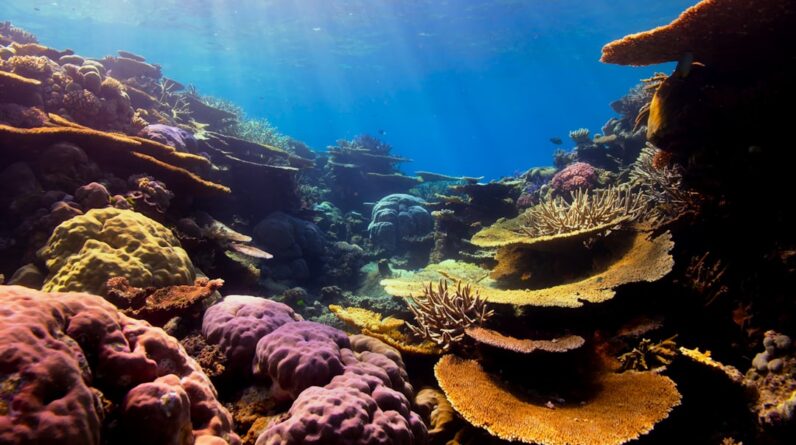
You may also notice that air quality deteriorates as pollutants accumulate in warmer conditions, exacerbating respiratory issues and other health problems. Moreover, ecosystems are facing unprecedented challenges due to climate change. Coral reefs, often referred to as the “rainforests of the sea,” are particularly vulnerable to rising ocean temperatures and acidification.
As these vital ecosystems decline, so too do the countless species that depend on them for survival. You might find it disheartening to learn that many fish populations are also being affected by changing ocean conditions, leading to shifts in food availability for both marine life and humans. The interconnectedness of these systems highlights how a shattered greenhouse can have cascading effects on biodiversity and food security.
Human Activities and the Greenhouse Effect
Your daily choices play a significant role in shaping the greenhouse effect. From driving cars powered by fossil fuels to consuming products with high carbon footprints, human activities contribute substantially to greenhouse gas emissions. The industrial revolution marked a turning point in this regard; as societies became more reliant on coal, oil, and natural gas for energy, emissions skyrocketed.
You may not realize it, but even seemingly innocuous actions—like using plastic products or wasting food—can have far-reaching consequences for the environment. Agriculture is another major contributor to greenhouse gas emissions. Practices such as deforestation for farmland and livestock production release significant amounts of carbon dioxide and methane into the atmosphere.
As you reflect on your own consumption habits, consider how dietary choices can impact greenhouse gas emissions. By opting for more sustainable food sources or reducing meat consumption, you can actively participate in mitigating climate change. Recognizing your role in this complex web of human activity is essential for fostering a sense of responsibility toward the planet.
Solutions to Mitigate the Greenhouse Effect

While the challenges posed by climate change may seem daunting, there are numerous solutions available to mitigate the greenhouse effect. One of the most effective strategies involves transitioning to renewable energy sources such as solar, wind, and hydroelectric power. By reducing reliance on fossil fuels, you can help decrease greenhouse gas emissions significantly.
Many individuals are already making strides in this area by installing solar panels on their homes or supporting policies that promote clean energy initiatives. Another crucial solution lies in enhancing energy efficiency across various sectors. Simple actions like using energy-efficient appliances or improving insulation in your home can lead to substantial reductions in energy consumption.
Additionally, advocating for public transportation or carpooling can help decrease emissions from vehicles on the road. As you explore these options, consider how collective action can amplify individual efforts; when communities come together to prioritize sustainability, meaningful change becomes possible.
The Role of Government and Policies in Addressing the Greenhouse Effect
Governments play a pivotal role in addressing climate change through policies and regulations aimed at reducing greenhouse gas emissions. International agreements such as the Paris Agreement represent collective efforts by nations to limit global warming and promote sustainable practices. As a citizen, your voice matters; advocating for policies that prioritize environmental protection can influence decision-makers and drive meaningful change.
Local governments also have a significant impact on climate action through initiatives such as urban planning and waste management programs. By supporting local policies that promote green spaces or incentivize renewable energy adoption, you contribute to a more sustainable future for your community. Engaging with local representatives and participating in public forums can amplify your concerns about climate change and encourage action at all levels of government.
Taking Action to Protect Earth’s Greenhouse
As you reflect on the importance of Earth’s greenhouse effect and its vulnerability to human activities, it becomes clear that action is imperative. The signs of a shattered greenhouse are evident all around you—rising temperatures, extreme weather events, and declining biodiversity serve as urgent reminders of what is at stake. However, hope lies in your ability to make informed choices and advocate for change within your community.
By understanding the science behind the greenhouse effect and recognizing your role in mitigating its impact, you can contribute to a more sustainable future for generations to come. Whether through individual actions or collective advocacy for policy changes, every effort counts in protecting our planet’s delicate balance. As stewards of Earth’s environment, it is your responsibility to take action now—because the future of our planet depends on it.
A related article to “Is Earth’s Greenhouse Shattering? The Alarming Truth” can be found on Live Life with a Cause’s blog. The article discusses the importance of preventing floods through massive tree planting efforts. It highlights how planting trees can help absorb excess water and prevent flooding in vulnerable areas. To read more about this important topic, visit Preventing Floods by Massive Tree Planting.
FAQs
What is the greenhouse effect?
The greenhouse effect is a natural process that warms the Earth’s surface. It occurs when certain gases in the atmosphere trap heat from the sun, preventing it from escaping back into space.
What are greenhouse gases?
Greenhouse gases are gases that contribute to the greenhouse effect by absorbing and emitting radiation within the thermal infrared range. The primary greenhouse gases in Earth’s atmosphere are water vapor, carbon dioxide, methane, nitrous oxide, and ozone.
How does human activity contribute to the greenhouse effect?
Human activities, such as burning fossil fuels, deforestation, and industrial processes, have significantly increased the concentration of greenhouse gases in the atmosphere. This has enhanced the greenhouse effect and led to global warming.
What are the potential consequences of a shattered greenhouse effect?
A shattered greenhouse effect could lead to catastrophic climate change, including rising sea levels, extreme weather events, loss of biodiversity, and disruptions to ecosystems and agriculture. It could also have significant impacts on human health and well-being.
What can be done to mitigate the effects of the greenhouse effect?
Mitigating the effects of the greenhouse effect requires reducing greenhouse gas emissions through measures such as transitioning to renewable energy sources, improving energy efficiency, and implementing policies to limit carbon emissions. Additionally, efforts to adapt to the impacts of climate change are also crucial.