As you delve into the complex world of climate science, you will encounter climate models, which serve as essential tools for understanding the Earth’s climate system. These models are sophisticated mathematical representations that simulate the interactions between various components of the climate, including the atmosphere, oceans, land surface, and ice. By utilizing historical data and current observations, climate models allow scientists to predict future climate conditions under different scenarios, providing invaluable insights into potential changes that may occur over time.
You may find it fascinating that climate models come in various forms, ranging from simple energy balance models to complex general circulation models (GCMs). Each type has its strengths and weaknesses, but all aim to capture the intricate dynamics of the climate system. As you explore these models, you will discover how they incorporate factors such as solar radiation, greenhouse gas concentrations, and land use changes to project future climate scenarios.
Understanding these models is crucial for grasping the potential impacts of climate change and the urgency of addressing this global challenge.
Key Takeaways
- Climate models are essential tools for understanding and predicting the Earth’s climate system, and they are based on mathematical equations that represent the physical, chemical, and biological processes that occur in the atmosphere, oceans, and land surface.
- Greenhouse gas emissions, primarily from human activities such as burning fossil fuels and deforestation, are the main driver of climate change, leading to global warming, changes in precipitation patterns, and ocean acidification.
- Regional climate changes can vary widely, with some areas experiencing more intense heatwaves, droughts, and wildfires, while others may see increased precipitation and flooding.
- Extreme weather events, such as hurricanes, typhoons, and heavy rainfall, are becoming more frequent and intense due to climate change, posing significant risks to human safety and infrastructure.
- Sea level rise is a direct result of global warming and the melting of polar ice caps and glaciers, threatening coastal communities and ecosystems with increased flooding and erosion.
- Biodiversity loss is accelerating due to climate change, with impacts on ecosystems, species extinction, and food security for human populations.
- Human health impacts of climate change include heat-related illnesses, respiratory problems from air pollution, and the spread of infectious diseases, particularly in vulnerable populations.
- Mitigation and adaptation strategies, such as reducing greenhouse gas emissions, transitioning to renewable energy sources, and implementing resilient infrastructure, are crucial for addressing and minimizing the impacts of climate change.
The Impact of Greenhouse Gas Emissions
Greenhouse gas emissions are at the heart of climate change, and their impact is profound. As you examine the sources of these emissions, you will find that human activities, particularly the burning of fossil fuels for energy, deforestation, and industrial processes, contribute significantly to the accumulation of greenhouse gases in the atmosphere. Carbon dioxide (CO2), methane (CH4), and nitrous oxide (N2O) are among the most prevalent greenhouse gases, each with varying degrees of heat-trapping capabilities.
The more you learn about these gases, the clearer it becomes that their increasing concentrations are driving global warming. The consequences of rising greenhouse gas emissions are far-reaching. As you consider the implications of a warmer planet, you will recognize that increased temperatures lead to a cascade of effects on weather patterns, ecosystems, and human societies.
For instance, higher temperatures can exacerbate droughts in some regions while intensifying rainfall in others. This variability not only disrupts agricultural practices but also threatens food security and water availability. By understanding the impact of greenhouse gas emissions, you can appreciate the urgency of transitioning to cleaner energy sources and implementing sustainable practices to mitigate their effects.
Regional Climate Changes

As you explore regional climate changes, it becomes evident that climate change does not affect all areas uniformly. Different regions experience unique shifts in temperature, precipitation patterns, and seasonal cycles due to their geographical characteristics and local climate systems. For instance, while some areas may experience increased rainfall and flooding, others may face prolonged droughts and heatwaves.
This variability can have significant implications for local ecosystems and communities. You may find it particularly interesting to examine how these regional changes can influence agriculture and water resources. In some regions, farmers may need to adapt their planting schedules or switch to more resilient crop varieties to cope with changing weather patterns.
Similarly, water management strategies may need to be reevaluated as precipitation becomes less predictable. By understanding regional climate changes, you can better appreciate the localized impacts of global warming and the importance of tailored adaptation strategies.
Extreme Weather Events
Extreme weather events are becoming increasingly common as a result of climate change, and their frequency and intensity are alarming. As you analyze this phenomenon, you will discover that events such as hurricanes, heatwaves, floods, and wildfires are not only more severe but also more likely to occur due to shifting climatic conditions. The connection between climate change and extreme weather is well-documented; warmer air holds more moisture, leading to heavier rainfall during storms and increased evaporation during dry spells.
The implications of these extreme weather events are profound for communities around the world. You may consider how hurricanes can devastate coastal areas, causing loss of life and significant economic damage. Similarly, prolonged heatwaves can lead to health crises and strain energy resources as people seek relief from the heat.
By recognizing the link between climate change and extreme weather events, you can better understand the urgency of implementing measures to reduce greenhouse gas emissions and enhance community resilience.
Sea Level Rise
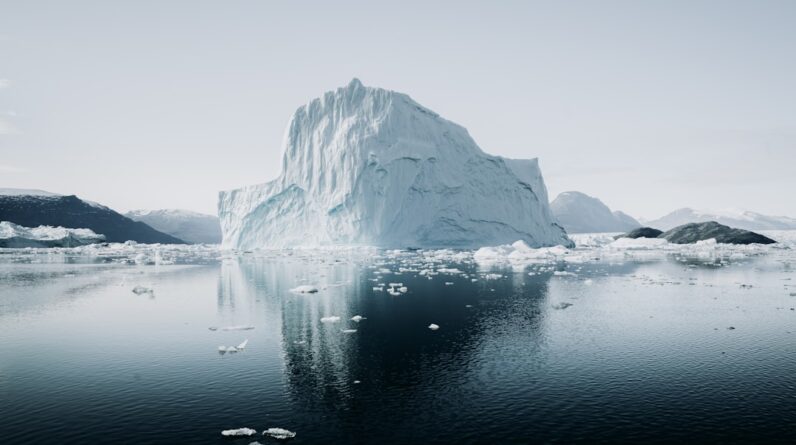
Sea level rise is one of the most visible consequences of climate change, driven primarily by melting ice sheets and thermal expansion of seawater as it warms. As you explore this issue further, you will find that rising sea levels pose a significant threat to coastal communities worldwide. Low-lying areas are particularly vulnerable, facing increased flooding risks and erosion that can displace populations and disrupt local economies.
You may also want to consider the long-term implications of sea level rise on infrastructure and ecosystems. Coastal cities must grapple with the challenge of protecting their infrastructure from inundation while also planning for potential relocation of communities at risk. Additionally, rising sea levels can lead to saltwater intrusion into freshwater supplies, further complicating water management efforts.
By understanding the multifaceted impacts of sea level rise, you can appreciate the need for comprehensive planning and adaptation strategies to safeguard vulnerable regions.
Biodiversity Loss

Biodiversity loss is another critical aspect of climate change that warrants your attention. As temperatures rise and habitats shift due to changing climatic conditions, many species struggle to adapt or migrate to suitable environments. This loss of biodiversity has cascading effects on ecosystems and human societies alike.
You may find it concerning that as species disappear, ecosystems become less resilient and less able to provide essential services such as pollination, water purification, and carbon storage. The implications of biodiversity loss extend beyond ecological concerns; they also impact food security and human health. As ecosystems degrade, agricultural productivity may decline due to reduced pollinator populations or increased pest pressures.
Furthermore, diminished biodiversity can lead to increased vulnerability to diseases as wildlife habitats are disrupted. By recognizing the interconnectedness of biodiversity and climate change, you can better understand the importance of conservation efforts in mitigating these impacts.
Human Health Impacts
The health impacts of climate change are becoming increasingly evident as rising temperatures and extreme weather events affect populations worldwide. As you explore this topic further, you will discover that climate change exacerbates existing health issues while introducing new challenges. Heat-related illnesses become more prevalent during extreme heatwaves, particularly among vulnerable populations such as the elderly or those with pre-existing health conditions.
Moreover, changing climatic conditions can influence the spread of infectious diseases. Warmer temperatures may expand the range of disease-carrying vectors like mosquitoes and ticks, leading to increased transmission rates of diseases such as malaria or Lyme disease. Additionally, air quality can deteriorate due to higher temperatures and increased pollution levels, resulting in respiratory issues for many individuals.
By understanding these health impacts, you can appreciate the urgency of addressing climate change not only for environmental reasons but also for public health.
Mitigation and Adaptation Strategies
As you reflect on the challenges posed by climate change, it becomes clear that both mitigation and adaptation strategies are essential for addressing this global crisis. Mitigation involves reducing greenhouse gas emissions through various means such as transitioning to renewable energy sources, enhancing energy efficiency, and promoting sustainable land use practices. You may find it encouraging that many countries are making strides toward ambitious climate goals through international agreements like the Paris Agreement.
On the other hand, adaptation strategies focus on preparing for the inevitable impacts of climate change that are already occurring or anticipated in the future. This may involve investing in resilient infrastructure, developing early warning systems for extreme weather events, or implementing sustainable agricultural practices that enhance food security in changing climates. By understanding both mitigation and adaptation strategies, you can appreciate the multifaceted approach needed to combat climate change effectively.
In conclusion, as you navigate through the complexities of climate change—from understanding climate models to recognizing its impacts on human health—it’s clear that urgent action is required at both individual and collective levels. By staying informed and advocating for sustainable practices, you can contribute to a more resilient future for our planet.
In a related article, Combatting Global Warming by Massive Tree Planting, the importance of planting trees as a solution to combatting climate change is discussed. This article highlights the positive impact that planting trees can have on reducing carbon dioxide levels in the atmosphere and mitigating the effects of global warming. It emphasizes the need for collective action to address environmental issues and protect our planet for future generations.
FAQs
What are climate models?
Climate models are computer simulations that use mathematical equations to represent the interactions between the atmosphere, oceans, land surface, and ice. These models are used to predict future climate conditions based on various scenarios and inputs.
How do climate models predict future climate conditions?
Climate models use data on greenhouse gas emissions, solar radiation, volcanic activity, and other factors to simulate the Earth’s climate system. By running these simulations, scientists can make projections about future temperature changes, precipitation patterns, and other climate-related variables.
What do climate models reveal about our near future?
Climate models suggest that if greenhouse gas emissions continue at current rates, the Earth’s average temperature will continue to rise, leading to more frequent and severe heatwaves, changes in precipitation patterns, and rising sea levels. These changes will have significant impacts on ecosystems, agriculture, and human societies.
How accurate are climate models?
While climate models have limitations and uncertainties, they have been successful in simulating past climate changes and have provided valuable insights into potential future scenarios. Ongoing improvements in modeling techniques and increased computing power are helping to enhance the accuracy of climate projections.
What can we do to mitigate the impacts of climate change?
To mitigate the impacts of climate change, it is crucial to reduce greenhouse gas emissions by transitioning to renewable energy sources, improving energy efficiency, and implementing policies to limit carbon emissions. Additionally, efforts to adapt to the changing climate, such as building resilient infrastructure and protecting vulnerable ecosystems, are also important.