Ocean acidification is a pressing environmental issue that arises from the increasing levels of carbon dioxide (CO2) in the atmosphere. As you may know, the oceans act as a significant carbon sink, absorbing approximately 30% of the CO2 emitted by human activities. This process, while initially beneficial in mitigating climate change, leads to a chemical reaction that lowers the pH of seawater, making it more acidic.
The implications of this shift in ocean chemistry are profound and far-reaching, affecting not only marine organisms but also the broader ecological balance. Understanding the basics of ocean acidification requires a grasp of the chemical processes involved. When CO2 dissolves in seawater, it reacts with water molecules to form carbonic acid.
This acid then dissociates into bicarbonate and hydrogen ions, resulting in a decrease in pH. You might find it interesting that the current rate of acidification is unprecedented in the last 300 million years, with projections indicating that ocean pH could drop by 0.3 to 0.4 units by the end of this century if current trends continue. This change may seem small, but it represents a significant shift in the ocean’s chemistry, with potentially devastating consequences for marine ecosystems.
Key Takeaways
- Ocean acidification is the process of the ocean becoming more acidic due to the absorption of carbon dioxide from the atmosphere.
- Marine life, including shellfish and coral reefs, is negatively impacted by ocean acidification, leading to decreased growth and reproduction rates.
- Carbon dioxide plays a significant role in ocean acidification, as it is absorbed by the ocean and reacts with seawater to form carbonic acid.
- The climate feedback loop exacerbates ocean acidification, as warmer temperatures and increased carbon dioxide levels further acidify the ocean.
- Human activities, such as burning fossil fuels and deforestation, contribute to ocean acidification, highlighting the need for mitigation and solutions to address this urgent issue.
The Impact on Marine Life
The impact of ocean acidification on marine life is both complex and alarming. Many marine organisms, particularly those that rely on calcium carbonate to form their shells and skeletons, are particularly vulnerable to changes in pH. For instance, species such as corals, mollusks, and certain types of plankton struggle to maintain their calcium carbonate structures in more acidic waters.
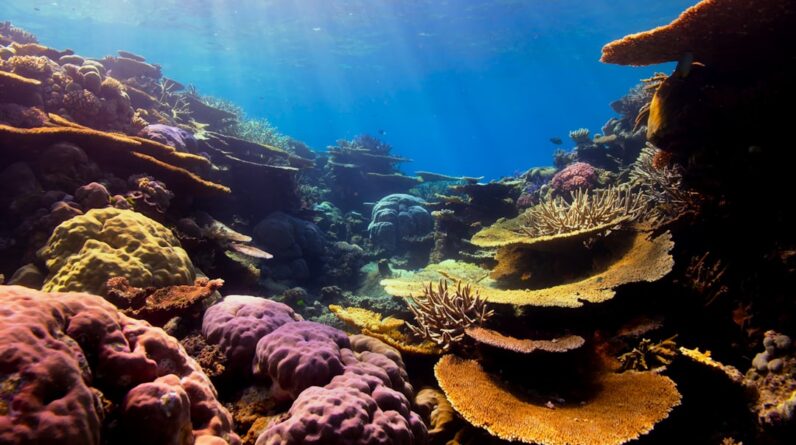
As you consider the implications of this, think about how these foundational species are integral to marine food webs and ecosystems. Coral reefs, often referred to as the “rainforests of the sea,” are especially at risk. They provide habitat for countless marine species and are vital for coastal protection and tourism.
As ocean acidity increases, coral reefs face challenges in calcification, leading to weaker structures and diminished growth rates. You may also be concerned about how this affects fish populations that rely on coral reefs for shelter and breeding grounds. The decline of these ecosystems can lead to a cascading effect throughout the marine environment, impacting biodiversity and the livelihoods of communities that depend on fishing and tourism.
The Role of Carbon Dioxide

Carbon dioxide plays a central role in the phenomenon of ocean acidification. As you delve deeper into this issue, it becomes clear that the increase in atmospheric CO2 is primarily driven by human activities such as fossil fuel combustion, deforestation, and industrial processes. The relationship between CO2 emissions and ocean chemistry is direct; as more CO2 enters the atmosphere, more is absorbed by the oceans, leading to increased acidity.
You might find it intriguing that while CO2 is often discussed in the context of climate change, its effects on ocean chemistry are equally critical. The rising levels of CO2 not only contribute to global warming but also disrupt marine ecosystems through acidification. This dual threat underscores the importance of addressing carbon emissions comprehensively.
By reducing our reliance on fossil fuels and transitioning to renewable energy sources, you can play a part in mitigating both climate change and ocean acidification.
The Climate Feedback Loop
The relationship between ocean acidification and climate change creates a feedback loop that exacerbates both issues. As you consider this interconnectedness, it’s essential to recognize that warmer ocean temperatures can further increase CO2 absorption rates. Warmer waters hold less oxygen and can lead to hypoxic conditions, which are detrimental to marine life.
This cycle illustrates how climate change and ocean acidification are not isolated problems but rather intertwined challenges that require holistic solutions. Moreover, as marine ecosystems suffer from acidification and warming, their ability to sequester carbon diminishes. Healthy oceans play a crucial role in regulating atmospheric CO2 levels through processes like photosynthesis by phytoplankton and the formation of carbon-rich sediments.
When these ecosystems are compromised, their capacity to act as carbon sinks is reduced, leading to higher atmospheric CO2 levels and further exacerbating climate change. You may find it alarming that this feedback loop could accelerate the pace of both ocean acidification and global warming, creating a more challenging environment for future generations.
Human Activities and Ocean Acidification
Human activities are at the heart of ocean acidification, with our reliance on fossil fuels being a primary driver. As you reflect on your daily choices, consider how energy consumption, transportation, and industrial practices contribute to CO2 emissions. The burning of coal, oil, and natural gas releases vast amounts of carbon into the atmosphere, which subsequently finds its way into the oceans.
Additionally, deforestation reduces the planet’s capacity to absorb CO2, further compounding the problem. Agricultural practices also play a role in ocean acidification through nutrient runoff. Excessive use of fertilizers can lead to algal blooms that deplete oxygen levels in water bodies and contribute to acidification when they decay.
You might be surprised to learn that even local actions can have global consequences; every time you choose to drive instead of walk or opt for single-use plastics over sustainable alternatives, you contribute to a larger pattern of environmental degradation. Recognizing your impact is crucial in fostering a collective effort toward reducing carbon emissions and protecting our oceans.
The Consequences for Ecosystems

The consequences of ocean acidification extend beyond individual species; they ripple through entire ecosystems, leading to shifts in biodiversity and ecosystem services. As you consider these impacts, think about how changes in species composition can alter food webs and disrupt ecological balance. For example, if shellfish populations decline due to increased acidity, fish species that rely on them for food may also suffer, leading to declines in fish populations that are vital for human consumption.
Furthermore, coral reefs serve as critical habitats for numerous marine organisms. Their degradation due to acidification not only threatens biodiversity but also affects coastal communities that depend on these ecosystems for their livelihoods. You may find it concerning that as fish populations decline and coral reefs weaken, the economic implications for fisheries and tourism industries could be severe.
The loss of these ecosystems could lead to food insecurity for millions of people worldwide.
Mitigation and Solutions
Addressing ocean acidification requires a multifaceted approach that combines mitigation strategies with innovative solutions. One effective way to combat this issue is by reducing carbon emissions through policy changes and individual actions. You can advocate for renewable energy sources such as solar or wind power while supporting legislation aimed at reducing greenhouse gas emissions.
Every small action counts; whether it’s using public transportation or reducing energy consumption at home, your choices can contribute to a larger movement toward sustainability. In addition to reducing emissions, enhancing marine resilience is crucial for combating ocean acidification’s effects. This can involve protecting existing ecosystems through marine protected areas or restoring damaged habitats like mangroves and seagrasses that can absorb CO2 from the atmosphere.
You might also consider supporting research initiatives focused on developing adaptive strategies for vulnerable species or exploring innovative technologies that can help mitigate acidification’s impacts on marine life.
The Urgency of Addressing Ocean Acidification
The urgency of addressing ocean acidification cannot be overstated; time is running out for many marine species and ecosystems that are already feeling the effects of changing ocean chemistry. As you reflect on this issue, consider how interconnected our planet’s systems are and how neglecting one aspect can have dire consequences for others. The longer we wait to take action against carbon emissions and protect our oceans, the more severe the repercussions will be for future generations.
You have a role to play in this urgent matter—whether through advocacy, education, or personal lifestyle changes. By raising awareness about ocean acidification and its impacts on marine life and ecosystems, you can inspire others to join the fight against climate change and environmental degradation. The time for action is now; together we can work toward a healthier planet where both people and marine life thrive in harmony with nature’s delicate balance.
In a related article on combating global warming, Combatting Global Warming by Massive Tree Planting, the importance of reforestation and afforestation in mitigating climate change is highlighted. Planting trees not only helps sequester carbon dioxide from the atmosphere but also provides numerous other environmental benefits. This article emphasizes the urgent need for action to address the climate crisis and the role that tree planting can play in this effort. It is crucial to recognize the interconnectedness of various environmental issues, such as ocean acidification and global warming, and take proactive steps to combat them.
FAQs
What is ocean acidification?
Ocean acidification is the process by which the pH levels of the Earth’s oceans are lowered due to the absorption of carbon dioxide from the atmosphere. This causes the oceans to become more acidic over time.
What causes ocean acidification?
The primary cause of ocean acidification is the increased levels of carbon dioxide in the atmosphere, which is absorbed by the oceans. This leads to a chemical reaction that increases the concentration of hydrogen ions in the water, lowering the pH levels and making the oceans more acidic.
What are the impacts of ocean acidification?
Ocean acidification has a range of negative impacts on marine life, including the ability of shellfish, corals, and other marine organisms to build and maintain their calcium carbonate shells and structures. It also affects the food web and can disrupt the balance of marine ecosystems.
How does ocean acidification relate to climate change?
Ocean acidification is closely linked to climate change, as both are driven by the increased levels of carbon dioxide in the atmosphere. The impacts of ocean acidification can also exacerbate the effects of climate change, creating a feedback loop that further threatens marine ecosystems and the planet as a whole.
What can be done to address ocean acidification?
Addressing ocean acidification requires reducing carbon dioxide emissions and mitigating the impacts of climate change. This can be achieved through transitioning to renewable energy sources, reducing deforestation, and implementing policies to limit carbon emissions. Additionally, efforts to protect and restore marine ecosystems can help to build resilience against the impacts of ocean acidification.