



As you delve into the intricate web of marine ecosystems, you may come across a term that evokes both curiosity and concern: oxygen deserts. These regions, characterized by critically low levels of dissolved oxygen, pose a significant threat to aquatic life. The phenomenon is not merely a scientific curiosity; it represents a pressing environmental issue that affects biodiversity, fisheries, and the overall health of our oceans.
Understanding oxygen deserts is essential for grasping the broader implications of human activity on marine environments. Oxygen deserts, also known as hypoxic zones, are areas in oceans and large lakes where oxygen levels drop below the threshold necessary to sustain most marine life. This depletion can lead to the death of fish and other aquatic organisms, creating a ripple effect throughout the ecosystem.
As you explore this topic further, you will uncover the complex interplay of factors that contribute to the formation of these zones and the dire consequences they have on marine biodiversity.
Key Takeaways
- Oxygen deserts are areas in the ocean with extremely low levels of oxygen, making it difficult for marine life to survive.
- Causes of oxygen deserts include pollution, climate change, and excessive nutrient runoff from agriculture and urban areas.
- Oxygen deserts have severe impacts on marine life, leading to mass die-offs and disruptions in the food chain.
- Oxygen deserts are spreading due to human activities and are becoming more widespread in the world’s oceans.
- Current research is focused on understanding the causes and impacts of oxygen deserts, as well as finding potential solutions to address this issue.
Causes of Oxygen Deserts
The emergence of oxygen deserts can be attributed to a variety of interrelated factors, many of which stem from human activities. One of the primary culprits is nutrient pollution, often resulting from agricultural runoff. When fertilizers are washed into waterways, they introduce excessive amounts of nitrogen and phosphorus into the marine environment.
This nutrient overload triggers algal blooms, which, while initially appearing vibrant and life-giving, ultimately lead to oxygen depletion as the algae die and decompose. In addition to nutrient pollution, climate change plays a significant role in exacerbating the problem. Rising sea temperatures can reduce the solubility of oxygen in water, making it more challenging for marine organisms to access the oxygen they need to survive.
Furthermore, warmer waters can alter ocean currents and stratification patterns, leading to reduced mixing of oxygen-rich surface waters with deeper layers. As you consider these factors, it becomes clear that addressing oxygen deserts requires a multifaceted approach that tackles both pollution and climate change.
Impacts on Marine Life
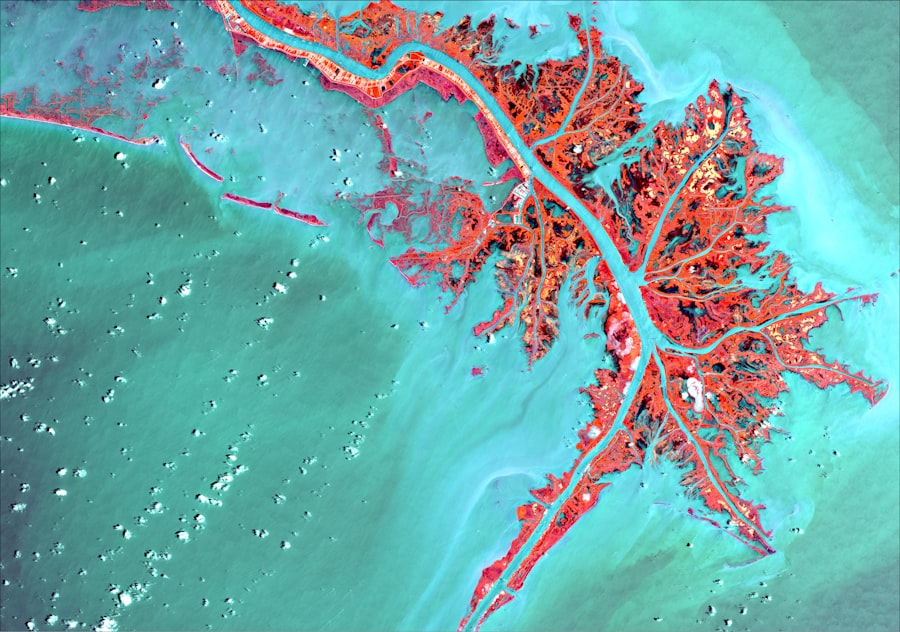
The consequences of oxygen deserts on marine life are profound and far-reaching. As you examine these impacts, you will find that hypoxic conditions can lead to mass die-offs of fish and other aquatic organisms. Species that are particularly sensitive to low oxygen levels, such as certain types of fish and invertebrates, may experience significant population declines or even local extinctions.
This loss not only disrupts the balance of marine ecosystems but also threatens the livelihoods of communities that depend on fishing. Moreover, the effects of oxygen deserts extend beyond immediate mortality rates. The stress imposed by low oxygen levels can impair reproductive success and growth rates in various species.
For instance, fish may become less able to reproduce successfully in hypoxic conditions, leading to long-term declines in populations. As you reflect on these impacts, it becomes evident that the health of marine ecosystems is intricately linked to the presence or absence of adequate oxygen levels.
Spread of Oxygen Deserts
The spread of oxygen deserts is a growing concern for scientists and environmentalists alike. As you explore this phenomenon, you will discover that these hypoxic zones are not static; they are expanding in both size and number across the globe. Regions such as the Gulf of Mexico and parts of the Baltic Sea have seen significant increases in hypoxic areas over recent decades.
This expansion is often attributed to a combination of factors, including increased agricultural runoff and climate change. The geographical spread of oxygen deserts is alarming not only because it threatens local ecosystems but also because it has implications for global marine health. As these zones proliferate, they can disrupt migratory patterns for fish and other marine species, leading to shifts in population dynamics and biodiversity loss.
You may find it particularly concerning that some scientists predict that if current trends continue, we could see a dramatic increase in the number and severity of hypoxic zones by mid-century.
Current Research and Findings
Current research into oxygen deserts is revealing critical insights into their causes, effects, and potential solutions. Scientists are employing advanced technologies such as remote sensing and underwater drones to monitor oxygen levels in real-time. This data collection is essential for understanding how hypoxic zones form and evolve over time.
As you engage with this research, you will find that interdisciplinary approaches are being utilized, combining oceanography, ecology, and climate science to develop a comprehensive understanding of the issue. Recent findings have underscored the importance of addressing nutrient pollution as a primary driver of oxygen depletion. Studies have shown that implementing better agricultural practices can significantly reduce runoff and its subsequent impact on marine environments.
Additionally, researchers are exploring innovative solutions such as artificial upwelling systems that could help reintroduce oxygen into hypoxic zones. As you consider these advancements, it becomes clear that ongoing research is vital for developing effective strategies to combat oxygen deserts.
Potential Solutions

Addressing the challenge of oxygen deserts requires a multifaceted approach that encompasses policy changes, community engagement, and technological innovation. One potential solution lies in improving agricultural practices to minimize nutrient runoff. Implementing buffer zones along waterways, utilizing cover crops, and adopting precision farming techniques can significantly reduce the amount of fertilizers entering aquatic systems.
As you reflect on these strategies, consider how they not only benefit marine life but also promote sustainable agriculture. Another avenue for addressing oxygen deserts involves enhancing public awareness and community involvement. Educating local communities about the importance of maintaining healthy waterways can foster a sense of stewardship and encourage individuals to take action in their own lives.
Initiatives such as clean-up events or advocacy for better waste management practices can empower citizens to contribute positively to their local environments. You may find it inspiring to see how grassroots movements can lead to meaningful change in combating this pressing issue.
Importance of Addressing Oxygen Deserts
The urgency of addressing oxygen deserts cannot be overstated. As you contemplate this issue, consider the broader implications for global biodiversity and food security. Healthy oceans are vital for sustaining life on Earth; they provide food for billions of people and play a crucial role in regulating our climate.
The degradation of marine ecosystems due to hypoxia threatens not only individual species but also entire food webs and economic systems reliant on healthy fisheries. Furthermore, addressing oxygen deserts is essential for preserving cultural heritage and community identities tied to fishing and coastal livelihoods. Many communities around the world have deep-rooted connections to their marine environments; losing these resources would not only impact their economies but also their way of life.
As you reflect on these interconnected issues, it becomes clear that taking action against oxygen deserts is not just an environmental imperative but a social one as well.
Conclusion and Call to Action
In conclusion, the phenomenon of oxygen deserts presents a complex challenge that requires immediate attention from individuals, communities, policymakers, and scientists alike. As you have explored throughout this article, the causes are multifaceted, ranging from nutrient pollution to climate change, with far-reaching impacts on marine life and ecosystems. The urgency to address this issue is paramount; our oceans’ health is intricately linked to our own survival.
You are encouraged to take action in your own life by advocating for sustainable practices within your community and supporting policies aimed at reducing nutrient runoff and combating climate change. Whether through education, activism, or simply making more environmentally conscious choices in your daily life, every effort counts in the fight against oxygen deserts. Together, we can work towards healthier oceans and a more sustainable future for all living beings on our planet.