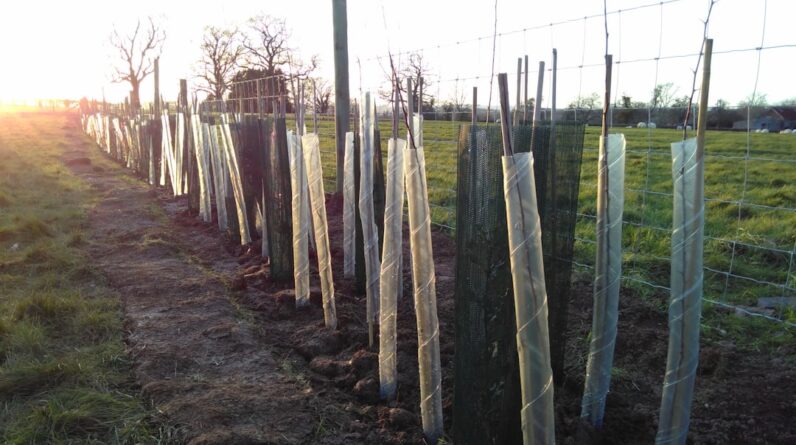
Reforestation plays a crucial role in combating climate change, acting as a natural solution to one of the most pressing issues of our time. As you may know, forests are vital carbon sinks, absorbing carbon dioxide from the atmosphere and storing it in their biomass and soil. When trees are cut down or burned, not only is this carbon storage capacity lost, but the carbon previously stored is released back into the atmosphere, exacerbating global warming.
By replanting trees and restoring forested areas, you can help to reverse this trend, sequestering carbon and contributing to a healthier planet. Moreover, reforestation offers a multitude of additional benefits that extend beyond carbon capture. It enhances soil quality, improves water cycles, and provides habitats for countless species.
As you engage in reforestation efforts, you will find that these initiatives can also lead to improved air quality and reduced urban heat islands. The act of planting trees is not merely an environmental endeavor; it is a holistic approach that fosters ecological balance and promotes sustainable development.
Key Takeaways
- Reforestation plays a crucial role in mitigating climate change by absorbing carbon dioxide and reducing greenhouse gas emissions.
- Ecosystems provide natural climate resilience through their ability to regulate temperature, store carbon, and protect against natural disasters.
- Successful reforestation projects require careful planning, community involvement, and the use of native tree species to ensure long-term sustainability.
- Reforestation has a positive impact on biodiversity and wildlife conservation by providing habitats for various species and restoring ecological balance.
- Engaging local communities in reforestation efforts is essential for creating a sense of ownership and ensuring the long-term success of the projects.
Understanding the Role of Ecosystems in Climate Resilience
Ecosystems are intricate networks of living organisms and their physical environment, and they play a pivotal role in climate resilience. When you consider the interconnectedness of various species and their habitats, it becomes clear that healthy ecosystems can buffer against climate impacts. For instance, wetlands can absorb excess rainfall and mitigate flooding, while forests can stabilize soil and prevent erosion.
By understanding these dynamics, you can appreciate how preserving and restoring ecosystems is essential for adapting to climate change. As you delve deeper into the role of ecosystems, you will discover that biodiversity is a key component of resilience. Diverse ecosystems are better equipped to withstand environmental stressors, such as extreme weather events or disease outbreaks.
By fostering biodiversity through reforestation and habitat restoration, you contribute to the overall health of the planet. This interconnectedness means that your efforts in reforestation not only benefit the trees you plant but also support a wide array of species that rely on those habitats for survival.
Strategies for Successful Reforestation Projects
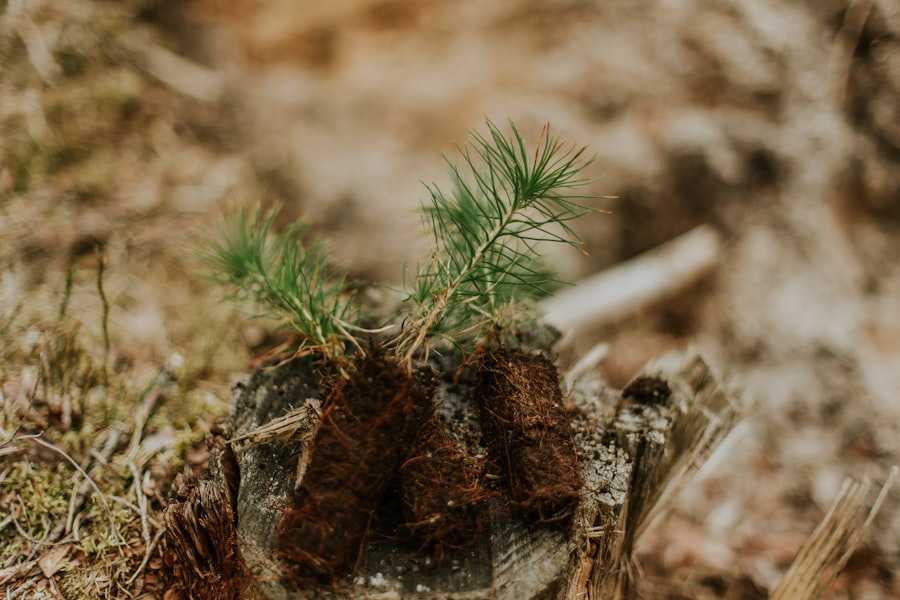
To ensure the success of reforestation projects, it is essential to adopt well-planned strategies that take into account local conditions and community needs. One effective approach is to conduct thorough assessments of the area where reforestation will take place. This includes understanding the soil type, climate conditions, and existing flora and fauna.
By gathering this information, you can select appropriate tree species that are native to the region, which will enhance the chances of survival and growth. In addition to selecting the right species, engaging local communities in the planning and execution of reforestation projects is vital. When you involve community members, you not only gain valuable insights into local ecological knowledge but also foster a sense of ownership over the project.
This can lead to increased commitment and participation in maintaining the newly planted areas. Furthermore, providing education on the importance of trees and forests can empower communities to become stewards of their environment, ensuring the long-term success of reforestation efforts.
The Impact of Reforestation on Biodiversity and Wildlife Conservation
Reforestation has a profound impact on biodiversity and wildlife conservation. When you plant trees in deforested or degraded areas, you create new habitats for various species, allowing them to thrive once again. This restoration of habitat is particularly important for endangered species that rely on specific environments for their survival.
By participating in reforestation initiatives, you contribute to the recovery of these populations and help maintain ecological balance. Moreover, reforested areas can serve as corridors that connect fragmented habitats, enabling wildlife to move freely between them. This connectivity is crucial for genetic diversity and resilience against environmental changes.
As you witness the transformation of barren landscapes into lush forests teeming with life, you will understand the intrinsic value of your efforts in promoting biodiversity. The benefits extend beyond individual species; healthy ecosystems support pollinators, improve soil health, and enhance water quality—all essential components for sustaining life on Earth.
Engaging Local Communities in Reforestation Efforts
Engaging local communities in reforestation efforts is not just beneficial; it is essential for achieving lasting impact. When you involve community members from the outset, you create a sense of shared purpose and responsibility. This collaboration fosters a deeper connection between people and their environment, encouraging sustainable practices that extend beyond reforestation projects.
You may find that local knowledge about native species and traditional land management practices can significantly enhance the effectiveness of your initiatives. Additionally, providing training and resources to local communities empowers them to take charge of their reforestation efforts. Workshops on tree planting techniques, maintenance practices, and ecological education can equip individuals with the skills they need to succeed.
As you witness communities coming together to restore their landscapes, you will realize that these efforts not only benefit the environment but also strengthen social ties and promote economic opportunities through eco-tourism or sustainable forestry practices.
Monitoring and Evaluating the Success of Reforestation Initiatives

Monitoring and evaluating reforestation initiatives are critical steps in ensuring their success and sustainability. As you embark on these projects, it is important to establish clear metrics for success from the beginning. This could include tracking tree survival rates, measuring biodiversity improvements, or assessing changes in soil quality over time.
By collecting data regularly, you can identify what works well and what needs adjustment. Moreover, engaging with local communities in monitoring efforts can enhance accountability and foster a sense of ownership. When community members participate in data collection and analysis, they become more invested in the outcomes of the project.
This collaborative approach not only strengthens community ties but also provides valuable insights that can inform future reforestation strategies. As you reflect on these initiatives, you will appreciate how ongoing evaluation contributes to adaptive management practices that ensure long-term success.
Policy and Funding Support for Reforestation Programs
For reforestation programs to thrive, robust policy frameworks and adequate funding are essential. As you advocate for reforestation efforts, it is important to engage with policymakers at local, national, and international levels. By highlighting the benefits of reforestation—such as carbon sequestration, biodiversity conservation, and community resilience—you can influence decision-makers to prioritize these initiatives within environmental policies.
Funding is another critical aspect that cannot be overlooked. You may explore various avenues for financial support, including government grants, private sector partnerships, or crowdfunding campaigns. By diversifying funding sources, you can ensure that your reforestation projects have the resources they need to succeed.
Additionally, collaborating with NGOs or international organizations can provide access to expertise and funding opportunities that enhance your initiatives.
The Future of Reforestation in Building Climate Resilient Ecosystems
Looking ahead, the future of reforestation holds immense potential for building climate-resilient ecosystems. As awareness of climate change continues to grow, more individuals and organizations are recognizing the importance of restoring forests as a means of adaptation and mitigation. You may find that innovative approaches—such as agroforestry or urban greening—are gaining traction as effective strategies for integrating trees into various landscapes.
Furthermore, advancements in technology are enhancing our ability to monitor forest health and track changes over time. Remote sensing tools and data analytics can provide valuable insights into forest dynamics, enabling more informed decision-making in reforestation efforts. As you engage with these emerging technologies, you will be better equipped to contribute to sustainable practices that promote resilience against climate change.
In conclusion, your involvement in reforestation initiatives is not just an act of planting trees; it is a commitment to nurturing ecosystems that support life on Earth. By understanding the importance of reforestation in mitigating climate change, engaging local communities, implementing effective strategies, and advocating for policy support, you play a vital role in shaping a more sustainable future for generations to come. The journey may be challenging, but the rewards—both for the environment and society—are immeasurable.
Reforestation plays a crucial role in strengthening ecosystems against climate change by restoring forests and their ability to sequester carbon dioxide. According to a related article on Live Life with a Cause, massive tree planting efforts are essential in combatting global warming and mitigating its effects on the environment. By understanding how reforestation helps the environment, we can work towards creating a more resilient ecosystem that can better withstand the challenges of climate change.
FAQs
What is reforesting?
Reforesting is the process of planting trees in areas where forests have been depleted or destroyed. It is a crucial strategy for restoring and preserving ecosystems.
How does reforesting help in strengthening ecosystems against climate change?
Reforesting helps in strengthening ecosystems against climate change by sequestering carbon dioxide, reducing soil erosion, improving water quality, and providing habitat for wildlife. Trees also help regulate local and regional climates by providing shade and releasing moisture through transpiration.
What are the benefits of reforesting for resilience?
Reforesting for resilience helps in mitigating the impacts of climate change, enhancing biodiversity, protecting watersheds, and providing economic opportunities for local communities through sustainable forest management.
What are some challenges in reforesting for resilience?
Challenges in reforesting for resilience include securing land for planting, selecting appropriate tree species for specific ecosystems, and ensuring the long-term survival and growth of newly planted trees.
What are some successful examples of reforesting for resilience?
Successful examples of reforesting for resilience include the Atlantic Forest Restoration Pact in Brazil, the Bonn Challenge, and various community-based reforestation projects in countries like India and Kenya. These initiatives have demonstrated the potential for reforestation to enhance ecosystem resilience and contribute to climate change mitigation.