Have you ever stopped to consider the far-reaching consequences of deforestation? You might already be aware that cutting down forests can displace wildlife and destroy natural habitats, but do you know how deeply it impacts global warming?

What is Deforestation?
You probably think of deforestation as simply cutting down trees, but there’s a bit more to it. Deforestation refers to the large-scale removal of forested areas, often to make way for agricultural activities, urban development, or mining operations. The alarming rate at which forests are being cleared around the world is unsustainable and has several cascading effects.
Common Causes of Deforestation
Understanding why deforestation happens can give you a clearer picture of the problem. Here are some common causes:
| Cause | Description |
|---|---|
| Agriculture | Clearing land for crops and livestock |
| Urbanization | Expanding cities and towns into forested areas |
| Logging | Cutting trees for timber and paper products |
| Mining | Extracting minerals that lie beneath forested land |
| Infrastructure development | Building roads, dams, and railways through forests |
| Fire | Both natural wildfires and human-induced burning for land clearing |
Statistics on Deforestation Rates
It can be helpful to look at some numbers to understand the extent of the issue. According to various studies and reports, about 18 million acres of forest, which is roughly the size of Panama, are lost each year.
| Year | Forest Area Lost (million acres) |
|---|---|
| 2001 | 24.5 |
| 2010 | 23.1 |
| 2020 | 18.7 |
The numbers indicate that while there might be small improvements, the scale of deforestation remains overwhelmingly high.
How Deforestation Affects Global Warming
You’re likely aware that trees play a critical role in absorbing carbon dioxide. When forests are cleared, not only is this carbon-absorbing capacity reduced, but the carbon stored in trees is also released back into the atmosphere.
The Carbon Cycle
To appreciate the impact of deforestation on global warming, you first need to understand the carbon cycle. This cycle involves the absorption and release of carbon dioxide between the earth’s atmosphere, oceans, and land. Trees and forests act as significant carbon sinks, meaning they absorb more carbon dioxide than they release.
When you remove trees, two things happen:
- The carbon-storing capacity of the forest decreases.
- The carbon stored in the trees is released into the atmosphere when they are cut down and often burned or left to decompose.
Deforestation’s Contribution to Greenhouse Gases
The release of carbon dioxide is a major contributor to the greenhouse effect, which in turn drives global warming. Forests absorb about 2.6 billion tons of carbon dioxide annually, but deforestation results in the release of approximately 1.5 billion tons of carbon dioxide each year. It’s a double-edged sword: you lose an absorber and gain a new emitter.
Long-term Effects on Climate
The climate impacts are not restricted to just carbon dioxide levels. Deforestation also affects:
- Weather Patterns: Tree removal can alter local and global weather patterns.
- Rainfall: Forests contribute to the water cycle and play a role in generating rainfall.
- Temperature: Loss of forest cover can lead to more extreme temperatures locally.
The Role of Biodiversity
One of the lesser-known impacts of deforestation is its effect on biodiversity, which in turn, affects climate stability. To illustrate, diverse ecosystems, like those found in forests, are more resilient to climate change. They can absorb and store carbon more efficiently than monocultures or degraded lands.
Biodiversity Loss and Ecosystem Services
Forests provide what are known as “ecosystem services,” which include:
- Climate Regulation: Diverse vegetation types help regulate temperature and rainfall.
- Water Purification: Forests play a role in filtering water and maintaining water cycles.
- Soil Fertility: The roots and organic matter contribute to soil nutrients and structure.
Without these services, the stability of our environment is compromised, contributing to climate instability and exacerbating global warming.
Human Activities and Policy Implications
You’ve probably heard the term “carbon footprint” many times. Governments and organizations worldwide are increasingly focusing on how various activities contribute to global warming and the role policy can play in mitigating these effects.
International Agreements
Several international agreements aim to reduce deforestation and its impacts. Notable among these are:
| Agreement | Key Provisions |
|---|---|
| Paris Agreement | Aims to limit global warming to below 2 degrees Celsius |
| REDD+ (Reducing Emissions | Provides financial incentives to developing countries to preserve their forests |
| from Deforestation and Forest Degradation) | |
| UN Sustainable Development | Includes goals specifically targeting climate action and life on land (SDGs 13 and 15) |
National Policies
Efforts at the national level are equally important. Policies focusing on reforestation, sustainable forestry, and the use of alternative resources can be significant. For instance:
- Brazil: Attempted policies to reduce deforestation in the Amazon.
- Indonesia: Implemented a moratorium on new forest clearings for palm oil plantations.
Corporate Responsibility
Businesses also have a role to play. Companies can adopt more sustainable practices, such as:
- Zero-Deforestation Pledges: Commitments to source products without contributing to deforestation.
- Sustainable Supply Chains: Ensuring that the products they sell or use are sourced sustainably.

Solutions and Mitigation Strategies
As you can see, the problem is multi-faceted, but solutions do exist. To curb deforestation and its impact on global warming, a variety of strategies can be deployed.
Reforestation and Afforestation
These terms refer to the planting of trees in deforested (reforestation) or non-forested (afforestation) areas. These projects can restore lost ecosystems and serve as carbon sinks.
| Strategy | Description |
|---|---|
| Reforestation | Planting trees in areas where forests have been cut down |
| Afforestation | Planting trees on lands that have not recently been forested |
Sustainable Forestry Practices
These involve managing forest resources in ways that meet current needs without compromising future generations. Such practices include selective logging, controlled burns, and maintaining forest health to avoid large-scale deforestation.
Policy and Legislation
Effective policies and laws can serve as a powerful tool. These might include:
- Protected Areas: Designating specific areas as protected to prevent deforestation.
- Land-Use Policies: Encouraging the use of degraded lands for agriculture instead of clearing new forested areas.
- Incentives: Providing financial incentives for conservation practices.
Technological Innovations
Emerging technologies can also help address this issue:
- Satellite Monitoring: Used to track deforestation in real-time.
- Biotechnology: Developing tree species that grow faster and absorb more carbon dioxide.
The Role of Public Awareness
Lastly, one of the most significant tools we have is public awareness. The more you, as an individual, understand the consequences of deforestation, the more likely you are to support and advocate for sustainable practices.
Collaborative Efforts
Efforts to combat deforestation require collaboration at multiple levels:
- Community Involvement: Local communities often have traditional knowledge and an inherent stake in conserving forests.
- Educational Campaigns: Raising awareness about the importance of forests can shift public opinion and behavior.
- NGOs and Activists: Non-governmental organizations play a crucial role in conservation efforts, advocacy, and policy change.
Taking Personal Action
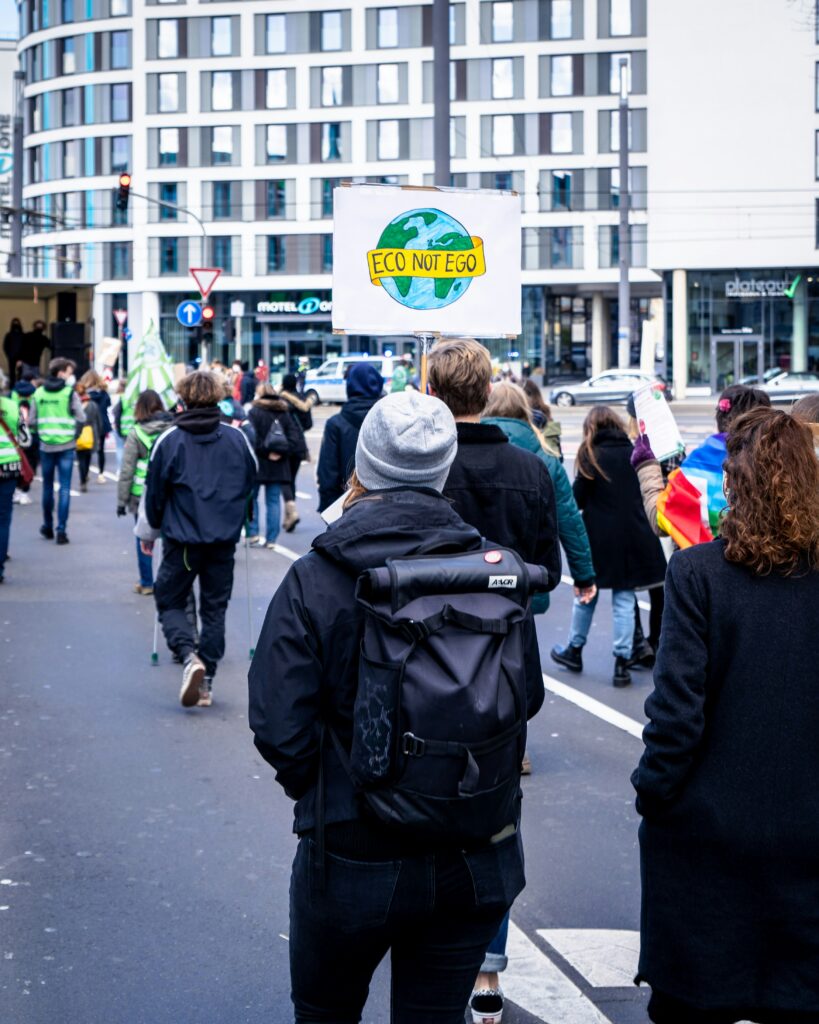
You’re probably wondering what you can personally do to contribute. There are several actions you can take to help mitigate the hidden costs of deforestation on global warming.
Reduce, Reuse, Recycle
These three R’s apply not only to general waste but also to products derived from forests, such as paper and wood. Using recycled products can significantly reduce the demand for new raw materials from forests.
Support Sustainable Products
Look for certifications like FSC (Forest Stewardship Council) or Rainforest Alliance on products you purchase. These labels indicate that the item has been sourced sustainably.
Advocate for Policy Changes
Your voice matters. Lobbying for stronger environmental policies, both locally and nationally, can have a substantial impact. Engaging in or supporting organizations that work towards these goals is another way to contribute.
Educate Others
Spreading the word about the hidden costs of deforestation can help create a groundswell of support for conservation efforts. Sharing articles, documentaries, and participating in community events can raise awareness and build a collective movement.
The Bigger Picture
Thinking about the global implications of deforestation can be overwhelming, but it’s crucial to recognize that every small action contributes to a larger effort. Combating deforestation is not just about saving trees; it’s about preserving a planet that future generations can inhabit. Every tree, policy, and individual effort counts in the fight against global warming.
Future Outlook
Addressing deforestation and its impact on global warming is a complex challenge that will require ongoing efforts at multiple levels. However, the future does not have to be bleak. With advancements in technology, better policies, and increased public awareness, you can be part of a global movement that makes a meaningful difference.
Call to Action
So, what will you do next? Whether it’s making more informed purchases, advocating for conservation policies, or simply educating those around you, every step makes a difference. Join the fight against deforestation and contribute to a more sustainable, cooler planet.
By understanding the hidden costs of deforestation on global warming and taking proactive steps, you can help ensure a balanced and healthy world for generations to come.