Imagine stepping into a world that once thrived with life, where the air was filled with the sounds of creatures long gone and the landscape was painted with vibrant colors of flora that no longer exist. The concept of recreating lost worlds is not merely a figment of science fiction; it is a tantalizing possibility that has captured the imagination of scientists, conservationists, and dreamers alike. As you delve into this intriguing idea, you may find yourself pondering the implications of such endeavors.
What would it take to bring back ecosystems that have vanished from our planet? And more importantly, what would be the consequences of attempting to do so? The notion of resurrecting lost worlds invites a multitude of questions about our relationship with nature and our responsibility toward it.
As you explore this topic, you will encounter the challenges and ethical dilemmas that arise when humans attempt to intervene in the natural order. The quest to recreate these ecosystems is not just about nostalgia; it is also about understanding the delicate balance of life on Earth and the role we play in preserving it. In this article, you will journey through the complexities of recreating lost worlds, examining both the potential benefits and the significant hurdles that lie ahead.
Key Takeaways
- Recreating lost worlds involves the restoration of extinct ecosystems and species, presenting both ethical and practical challenges.
- Technology plays a crucial role in the process of recreating lost worlds, aiding in the revival of extinct species and restoration of ecosystems.
- Success stories in restoring ecosystems serve as inspiration and evidence of the potential impact of recreating lost worlds on current ecosystems.
- Preserving existing biodiversity is crucial, as recreating lost worlds should not overshadow the importance of protecting and conserving current ecosystems and species.
- The future of recreating lost worlds lies in finding a balance between ethical considerations, technological advancements, and the preservation of existing biodiversity.
The challenge of recreating extinct ecosystems
Recreating extinct ecosystems is a formidable challenge that requires a deep understanding of ecological dynamics and species interactions. When you consider an ecosystem that has been lost, such as the lush forests of the Pleistocene or the vibrant coral reefs that have succumbed to climate change, you must recognize that these environments were shaped by countless factors over millennia. The intricate web of life within these ecosystems involved not only the species that inhabited them but also their interactions with one another and their physical surroundings.
Recreating such complexity is no small feat. One of the primary challenges you face in this endeavor is the loss of keystone species—those organisms that play a critical role in maintaining the structure of an ecosystem. Without these species, entire food webs can collapse, leading to a cascade of extinctions and habitat degradation.
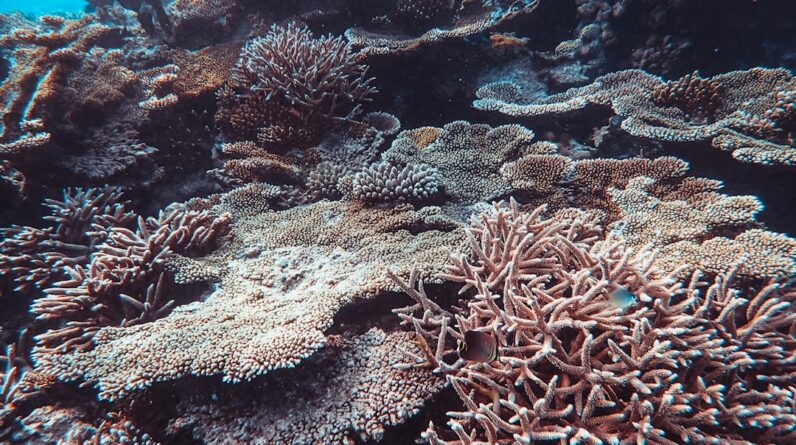
For instance, if you were to attempt to restore a coral reef, you would need to consider not only the corals themselves but also the myriad fish species, invertebrates, and microorganisms that depend on them for survival. The absence of any one component can disrupt the entire system, making it essential to approach restoration efforts with a holistic perspective.
Reviving extinct species: The ethical and practical considerations

The revival of extinct species, often referred to as de-extinction, raises profound ethical and practical questions that you must grapple with. On one hand, the idea of bringing back iconic species like the woolly mammoth or the passenger pigeon is undeniably appealing. These creatures once roamed vast landscapes and played significant roles in their ecosystems.
However, as you contemplate this possibility, you must also consider the implications of such actions. Would these revived species be able to adapt to a world that has changed dramatically since their extinction? Moreover, there are ethical concerns surrounding the resources allocated to de-extinction efforts.
You may wonder whether it is justifiable to invest time, money, and scientific expertise into reviving species when so many existing species are on the brink of extinction due to habitat loss, climate change, and human activity. The question arises: should we focus on preserving what remains rather than attempting to resurrect what has been lost? This dilemma highlights the need for a balanced approach that prioritizes both conservation and innovation.
The role of technology in recreating lost worlds
Technology plays a pivotal role in the quest to recreate lost worlds and revive extinct species. Advances in genetic engineering, cloning, and biotechnology have opened new avenues for scientists seeking to bring back lost ecosystems. As you explore this realm, you will encounter groundbreaking techniques such as CRISPR gene editing, which allows for precise modifications to an organism’s DNThis technology holds promise for not only reviving extinct species but also enhancing the resilience of existing ones in the face of environmental challenges.
In addition to genetic manipulation, technology also aids in habitat restoration efforts. Remote sensing tools and drones enable researchers to monitor ecosystems from above, providing valuable data on vegetation health, wildlife populations, and environmental changes. These insights can inform restoration strategies and help ensure that efforts are targeted and effective.
As you consider the role of technology in recreating lost worlds, it becomes clear that while it offers exciting possibilities, it also necessitates careful consideration of its ethical implications and potential unintended consequences.
Success stories in restoring ecosystems
Despite the challenges inherent in recreating lost worlds, there have been notable success stories in ecosystem restoration that inspire hope for future endeavors. One such example is the restoration of the longleaf pine ecosystem in the southeastern United States. Once covering millions of acres, this unique habitat was decimated by logging and land conversion for agriculture.
However, through concerted conservation efforts involving prescribed burns and replanting native species, this ecosystem has begun to flourish once more. As you reflect on this success story, you may find encouragement in the idea that restoration is possible when communities come together with a shared vision. Another inspiring case is the rewilding initiative in Yellowstone National Park, where the reintroduction of wolves has had profound effects on the entire ecosystem.
The presence of wolves has helped regulate elk populations, allowing vegetation to recover and promoting biodiversity throughout the park. This example illustrates how restoring key species can lead to cascading benefits for an entire ecosystem. As you consider these success stories, you may feel a renewed sense of optimism about humanity’s ability to heal damaged landscapes and restore balance to nature.
The potential impact of recreating lost worlds on current ecosystems

As you contemplate the potential impact of recreating lost worlds on current ecosystems, it becomes evident that such efforts could yield both positive and negative consequences. On one hand, reviving extinct species or restoring lost habitats could enhance biodiversity and contribute to ecosystem resilience. For instance, reintroducing certain plant species could provide food sources for pollinators and other wildlife, fostering a more vibrant ecological community.
However, there are also risks associated with these endeavors. Introducing revived species into existing ecosystems could lead to unforeseen consequences, such as competition with native species or disruption of established ecological relationships. You may find yourself questioning whether humanity has the right to manipulate nature in such profound ways.
The delicate balance between intervention and preservation must be carefully navigated to avoid exacerbating existing environmental challenges.
The importance of preserving existing biodiversity
While the allure of recreating lost worlds is captivating, it is crucial not to lose sight of the importance of preserving existing biodiversity. As you explore this topic further, you will come to understand that every species plays a unique role in its ecosystem, contributing to its overall health and stability. The ongoing loss of biodiversity due to habitat destruction, climate change, and pollution poses a significant threat to our planet’s future.
Preserving existing ecosystems should be prioritized alongside efforts to recreate lost worlds. You may find it essential to advocate for conservation initiatives that protect endangered species and their habitats while also supporting sustainable practices that minimize human impact on natural environments. By focusing on preservation as well as restoration, we can work toward a more balanced approach that honors both our past and our present.
The future of recreating lost worlds
As you reflect on the future of recreating lost worlds, it becomes clear that this journey is fraught with complexities and uncertainties. While advances in technology offer exciting possibilities for reviving extinct species and restoring ecosystems, ethical considerations must guide our actions. The lessons learned from past successes and failures will be invaluable as we navigate this uncharted territory.
Ultimately, your engagement with this topic can inspire a deeper appreciation for the natural world and a commitment to its preservation. Whether through supporting conservation efforts or advocating for responsible scientific practices, you have a role to play in shaping the future of our planet’s ecosystems. As we stand at this crossroads between innovation and conservation, let us strive for a harmonious coexistence with nature—one that honors both our history and our responsibility toward future generations.
In a recent article on preventing floods by massive tree planting, the importance of reforestation in mitigating natural disasters is highlighted. This topic is closely related to the concept of recreating lost worlds discussed in “A New Eden: Is it Possible to Recreate Lost Worlds?” Both articles emphasize the crucial role that trees play in restoring ecosystems and protecting the environment. By planting trees on a large scale, we can not only prevent floods but also combat global warming and create a more sustainable future for our planet.
FAQs
What is the concept of recreating lost worlds?
Recreating lost worlds refers to the idea of using scientific and technological advancements to restore or recreate ecosystems and environments that have been lost or damaged due to human activity or natural disasters.
What are some examples of lost worlds that scientists are trying to recreate?
Examples of lost worlds that scientists are trying to recreate include ancient forests, extinct species habitats, and ecosystems that have been destroyed by deforestation, pollution, or climate change.
What are the challenges in recreating lost worlds?
Challenges in recreating lost worlds include the lack of complete understanding of the original ecosystems, the difficulty in reintroducing extinct species, and the potential for unintended consequences in altering natural environments.
What are some methods used to recreate lost worlds?
Methods used to recreate lost worlds include reforestation, habitat restoration, reintroduction of keystone species, genetic engineering to revive extinct species, and the use of advanced technologies such as gene editing and synthetic biology.
What are the potential benefits of recreating lost worlds?
The potential benefits of recreating lost worlds include the restoration of biodiversity, the mitigation of climate change, the preservation of cultural and historical heritage, and the improvement of ecosystem services such as clean water and air.