Have you ever wondered how the places where trees once stood might be affecting our planet’s temperature? If so, you’re bound to find this discussion on global warming and its alarming connection to deforestation insightful and engaging.
What Is Global Warming?
Before diving into the deforestation connection, let’s first clarify what global warming entails. Global warming refers to the significant and ongoing rise in the Earth’s average temperature due to the buildup of greenhouse gases such as carbon dioxide (CO2), methane (CH4), and nitrogen oxides (NOx).
Causes of Global Warming
- Greenhouse Gases: Emissions from burning fossil fuels, industry, and agriculture.
- Deforestation: Loss of trees that absorb CO2 naturally.
- Industrial Activities: Processes that emit a large amount of CO2 and other greenhouse gases.
- Agriculture: Practices that release methane and other potent gases.
Effects of Global Warming
Understanding its effects is vital to grasp the importance of addressing global warming.
- Rising sea levels: Melting glaciers and ice caps contribute to higher sea levels, which can lead to the inundation of coastal areas.
- Extreme weather patterns: More intense hurricanes, droughts, and heatwaves are becoming common.
- Loss of biodiversity: Many species face the risk of extinction due to changing climates and habitats.
The Basics of Deforestation
What Is Deforestation?
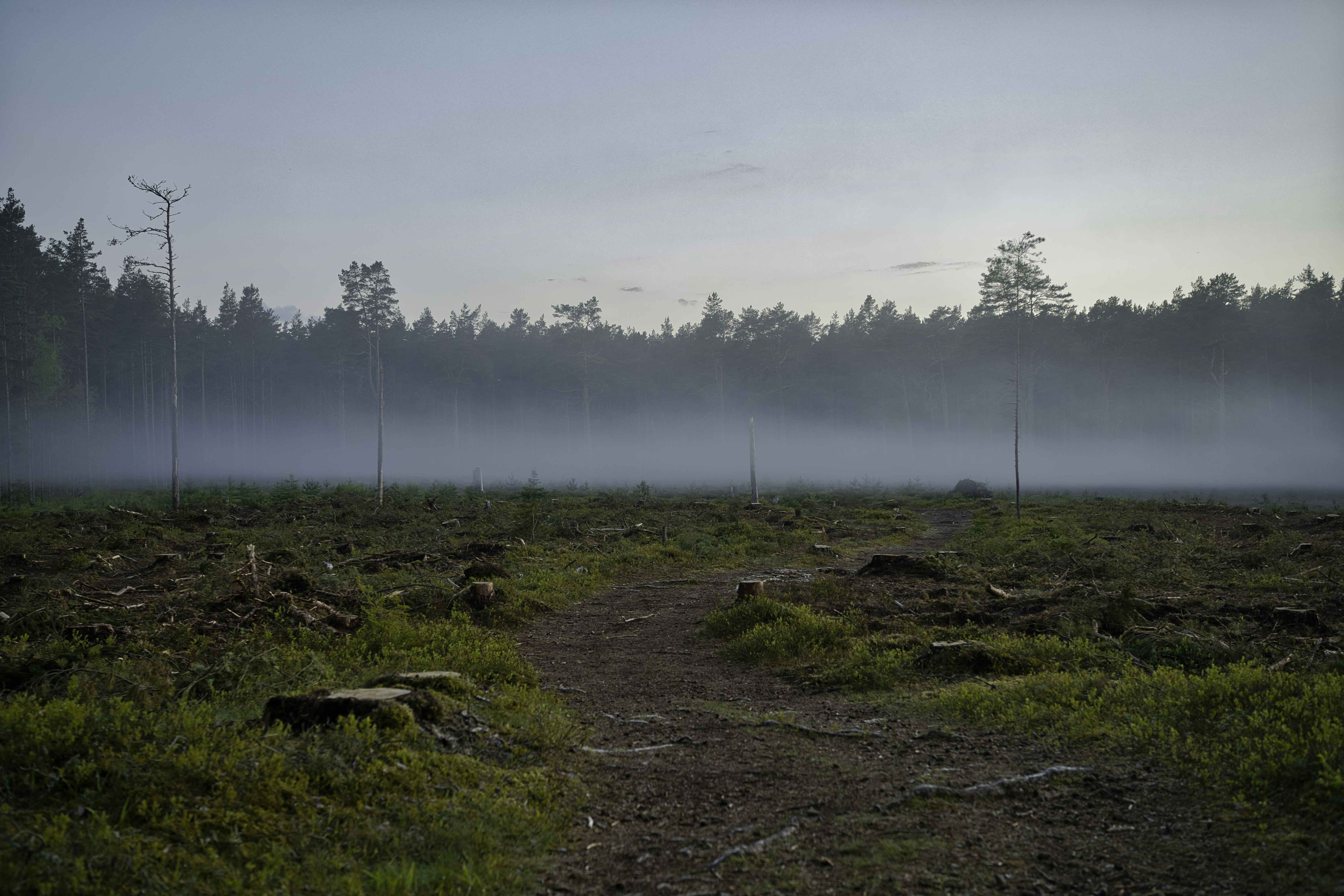
Deforestation is the large-scale removal or thinning of forests, primarily for agricultural activities, urban development, or mining. This usually involves cutting down trees without sufficient replanting.
Causes of Deforestation
- Agricultural Expansion: Forests are often cleared to make way for crop production and livestock grazing.
- Urban Development: Expanding cities lead to increased forest clearance.
- Logging: Commercial logging operations mowed down forests for timber and paper products.
- Mining: Extractive industries clear forests for mineral resources.
The Global Extent of Deforestation
To understand the gravity, let’s take a look at some statistics:
| Region | Forest Area Cleared (ha/year) |
|---|---|
| Amazon Basin | 1.3 million |
| Southeast Asia | 0.8 million |
| Central Africa | 0.6 million |
How Does Deforestation Contribute to Global Warming?
Carbon Cycle Disruption
Forests act as carbon sinks, absorbing CO2 from the atmosphere and storing it. When trees are cut, they release stored carbon back into the atmosphere, exacerbating global warming.
Release of Stored Carbon
Deforestation and forest degradation contribute approximately 12% to 20% of global greenhouse gas emissions, making it a significant player in climate change.
- Burning and Decay: When forests are cleared, they are often burned, releasing massive amounts of CO2.
- Soil Carbon: Forest soils, rich in organic matter, lose their carbon when trees are removed.
Albedo Effect
Trees and forests reflect less sunlight compared to barren lands. The removal of forests means that more sunlight is absorbed by the Earth’s surface, raising global temperatures.
Social and Economic Impacts of Deforestation
Indigenous Communities
Many indigenous communities depend on forests for their livelihoods, and deforestation displaces them, leading to loss of cultural heritage and ways of life.
Economic Consequences
While deforestation might provide short-term economic gains through timber and agricultural products, long-term consequences include:
- Reduced Agricultural Productivity: Soil degradation and erosion diminish the land’s agricultural potential.
- Costly Disasters: Increased flooding and landslides result in massive economic losses.
Health Impacts
Deforestation can contribute to the spread of diseases such as malaria as the habitat for disease-carrying mosquitoes expands into freshly cleared areas.
Global Efforts to Combat Deforestation
International Agreements
- Paris Agreement: Many countries have committed to reducing deforestation to meet their Nationally Determined Contributions (NDCs) for reducing greenhouse gases.
- REDD+ Initiative: This UN program aims to reduce emissions from deforestation and forest degradation by offering financial incentives for countries to manage forests sustainably.
Reforestation and Afforestation Projects
Reforestation Programs
- China’s Green Great Wall: An extensive reforestation project aimed at combating desertification and improving ecosystems.
- Africa’s Great Green Wall: An initiative to restore 100 million hectares in the Sahel region by 2030.
Sustainable Practices
- Agroforestry: Integrating trees into agricultural systems.
- Selective Logging: Cutting down only specific trees to minimize environmental impact.
What You Can Do to Help
Be Conscious of Your Consumption
Reduce your paper and wood consumption to help decrease demand that drives deforestation. Opt for recycled products whenever possible.
Support Organizations Fighting Deforestation
Many organizations work tirelessly on the ground to prevent deforestation. Supporting them financially or through volunteer work can make a significant impact.
Educate and Advocate
Spread awareness about the importance of forests and advocate for policies that enforce stricter deforestation regulations.

Conclusion
The connection between global warming and deforestation is a complex but crucial one to understand. By recognizing the adverse effects of deforestation and the urgent need for global and individual actions, you can contribute to a more sustainable future. Combating deforestation is not just a fight for trees; it’s a fight for our planet’s climate, ecosystems, and ultimately, our survival.