When you think about the vastness of the oceans, it’s easy to overlook their critical role in sustaining life on Earth. The oceans cover more than 70% of the planet’s surface and are not just a source of beauty and wonder; they are also a vital component of the global ecosystem. One of the most significant contributions of the oceans is their ability to produce oxygen, which is essential for the survival of most life forms.
You may be surprised to learn that the oceans are responsible for generating approximately 50% to 80% of the oxygen we breathe. This remarkable process is intricately linked to various marine organisms and environmental factors, making it crucial for you to understand how these elements interact. The relationship between oceans and oxygen is a complex web of biological and chemical processes.
As you delve deeper into this topic, you will discover that the health of our oceans directly impacts the quality and quantity of oxygen available in the atmosphere. The oceans act as a massive carbon sink, absorbing carbon dioxide from the atmosphere and helping to regulate climate. However, this balance is delicate, and any disruption can have far-reaching consequences.
Understanding this relationship is not just an academic exercise; it has real-world implications for your health, the environment, and future generations.
Key Takeaways
- Oceans play a crucial role in producing oxygen through phytoplankton photosynthesis.
- Ocean pollution can negatively impact oxygen levels by harming phytoplankton and other oxygen-producing marine life.
- Ocean acidification can reduce oxygen levels by disrupting the balance of chemical reactions in the water.
- Conservation of oceans is essential for maintaining oxygen production and sustaining marine life.
- Climate change can lead to decreased oxygen levels in the oceans, posing a threat to marine ecosystems and biodiversity.
The Role of Phytoplankton in Oxygen Production
Phytoplankton are microscopic organisms that float on the surface of the ocean, and they play a pivotal role in oxygen production. These tiny plants harness sunlight through photosynthesis, converting carbon dioxide and water into glucose and oxygen. You might be amazed to learn that just a few grams of phytoplankton can produce enough oxygen to sustain a human for an entire day.
This process not only contributes significantly to the oxygen levels in the atmosphere but also forms the foundation of the marine food web, supporting countless species from small fish to large whales. The sheer abundance of phytoplankton in the oceans is staggering. It is estimated that there are about 20 million tons of phytoplankton in the world’s oceans at any given time.
This vast population thrives in nutrient-rich waters, often found near coastlines or upwelling zones where deep ocean currents bring essential nutrients to the surface. As you consider the importance of these organisms, it becomes clear that their health is directly tied to ocean conditions such as temperature, salinity, and nutrient availability. Any changes in these factors can have profound effects on phytoplankton populations and, consequently, on global oxygen levels.
The Impact of Ocean Pollution on Oxygen Levels

Ocean pollution poses a significant threat to oxygen production and overall marine health. When pollutants such as plastics, chemicals, and agricultural runoff enter the ocean, they can disrupt the delicate balance of marine ecosystems. You may not realize that excess nutrients from fertilizers can lead to algal blooms, which can suffocate marine life and deplete oxygen levels in the water.
This phenomenon, known as hypoxia, creates “dead zones” where aquatic life struggles to survive due to insufficient oxygen. The consequences of pollution extend beyond localized areas; they can affect entire oceanic regions and even global oxygen levels. As you reflect on this issue, consider how your daily choices—such as plastic use or support for sustainable agriculture—can contribute to or mitigate ocean pollution.
By understanding the impact of pollution on oxygen levels, you can become an advocate for cleaner oceans and healthier ecosystems.
The Connection Between Ocean Acidification and Oxygen
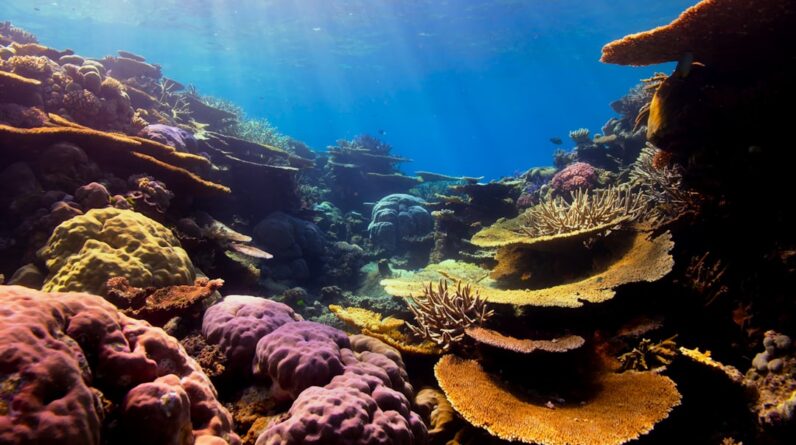
Ocean acidification is another pressing issue that affects oxygen levels in marine environments. As carbon dioxide emissions increase due to human activities, a significant portion of this gas is absorbed by the oceans, leading to a decrease in pH levels. This change in acidity can have dire consequences for marine life, particularly organisms with calcium carbonate shells or skeletons, such as corals and shellfish.
You might find it alarming that as these organisms struggle to survive in more acidic waters, their ability to contribute to oxygen production diminishes. The connection between ocean acidification and oxygen levels is multifaceted. As marine ecosystems become less diverse due to acidification, the overall productivity of these systems may decline.
This decline can lead to reduced phytoplankton populations, further exacerbating the problem of oxygen depletion. As you consider these interconnected issues, it becomes evident that addressing climate change and reducing carbon emissions are crucial steps toward preserving both ocean health and atmospheric oxygen levels.
The Importance of Ocean Conservation for Oxygen Production
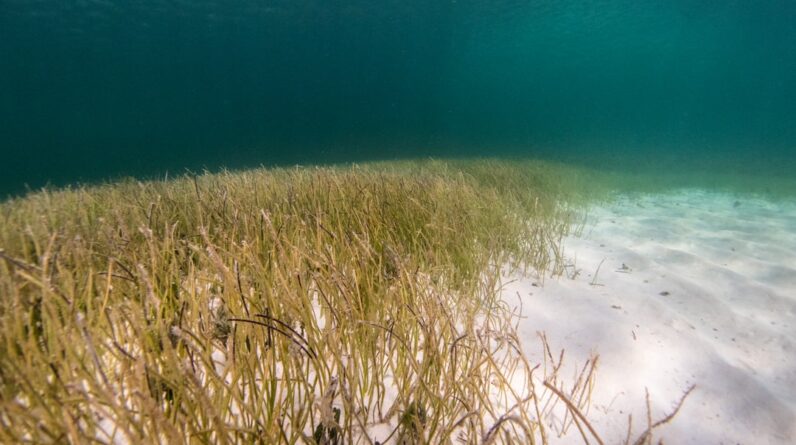
Conserving our oceans is essential for maintaining healthy oxygen levels and ensuring a sustainable future for all life on Earth. You may be surprised to learn that protecting marine habitats such as coral reefs, mangroves, and seagrass beds can significantly enhance oxygen production. These ecosystems not only provide shelter and food for countless species but also play a vital role in carbon sequestration and oxygen generation.
Engaging in ocean conservation efforts can take many forms, from supporting sustainable fishing practices to participating in beach clean-ups or advocating for marine protected areas. By taking action, you contribute to the preservation of vital habitats that support phytoplankton and other oxygen-producing organisms. As you become more aware of your impact on ocean health, you can make informed choices that promote conservation and help ensure a stable supply of oxygen for future generations.
How Climate Change Affects Oxygen Levels in the Oceans

Climate change is one of the most significant threats facing our oceans today, with far-reaching implications for oxygen levels. Rising sea temperatures can lead to stratification, where warmer water sits atop cooler water layers, preventing nutrient mixing and reducing phytoplankton productivity. You may find it concerning that as ocean temperatures rise, the ability of these organisms to produce oxygen diminishes, leading to potential declines in atmospheric oxygen levels.
Additionally, climate change exacerbates other issues such as ocean acidification and pollution, creating a compounded effect on marine ecosystems. As you consider the broader implications of climate change on ocean health, it becomes clear that addressing this global challenge requires collective action at all levels—from individual lifestyle changes to international policy initiatives aimed at reducing greenhouse gas emissions.
The Role of Marine Life in Oxygen Regulation
Marine life plays an integral role in regulating oxygen levels within ocean ecosystems. Beyond phytoplankton, various organisms contribute to this process through their interactions with one another and their environments. For instance, larger marine animals such as fish and whales help circulate nutrients throughout the water column as they move through their habitats.
This movement promotes nutrient availability for phytoplankton growth, ultimately enhancing oxygen production. Moreover, healthy marine ecosystems are characterized by biodiversity, which contributes to resilience against environmental changes. You may be surprised to learn that diverse ecosystems are better equipped to adapt to stressors such as climate change or pollution, ensuring continued oxygen production over time.
By recognizing the interconnectedness of marine life and their role in oxygen regulation, you can appreciate the importance of protecting biodiversity in our oceans.
The Future of Oceans and Oxygen: Challenges and Solutions
As you look toward the future of our oceans and their ability to produce oxygen, it’s essential to acknowledge both the challenges we face and potential solutions available to us. The threats posed by climate change, pollution, and habitat destruction are significant; however, there is still hope for positive change through concerted efforts at local, national, and global levels. Innovative solutions such as restoring coastal ecosystems like mangroves and seagrasses can enhance carbon sequestration while improving water quality and supporting marine biodiversity.
Additionally, advancements in technology offer new ways to monitor ocean health and track changes in oxygen levels over time. By staying informed about these developments and advocating for sustainable practices within your community, you can play an active role in shaping a healthier future for our oceans. In conclusion, understanding the intricate relationship between oceans and oxygen is vital for appreciating the complexity of our planet’s ecosystems.
By recognizing the importance of phytoplankton, addressing pollution and climate change, conserving marine habitats, and supporting biodiversity, you can contribute to a healthier ocean environment that sustains life on Earth for generations to come.
If you’re interested in learning more about the impact of planting trees on the environment, you should check out the article How Does Planting Trees Help Climate Change?. This article delves into the crucial role that trees play in mitigating climate change and emphasizes the importance of reforestation efforts. Understanding the interconnectedness of our planet’s ecosystems, including the relationship between oceans and oxygen, is essential for making informed decisions about conservation and sustainability.
FAQs
What is the relationship between oceans and oxygen?
The relationship between oceans and oxygen is crucial for the survival of life on Earth. Oceans produce a significant amount of the oxygen we breathe through the process of photosynthesis by marine plants, algae, and phytoplankton.
How do oceans produce oxygen?
Oceans produce oxygen through the process of photosynthesis, where marine plants, algae, and phytoplankton use sunlight to convert carbon dioxide and water into oxygen and glucose.
How much oxygen do oceans produce?
Oceans are estimated to produce about 50-85% of the oxygen in the Earth’s atmosphere. This makes them a vital source of oxygen for all living organisms.
Why is it important to protect the health of our oceans?
Protecting the health of our oceans is crucial for maintaining the balance of oxygen production and carbon dioxide absorption. Healthy oceans are essential for sustaining life on Earth and mitigating the impacts of climate change.
What are the threats to the oxygen production in oceans?
Threats to the oxygen production in oceans include pollution, overfishing, climate change, and ocean acidification. These factors can disrupt the delicate balance of marine ecosystems and impact the ability of oceans to produce oxygen.