As you navigate through the complexities of modern life, it becomes increasingly clear that climate change is not just an environmental issue; it is a profound public health crisis. The effects of climate change are far-reaching, influencing various aspects of human health and well-being. From rising temperatures to extreme weather events, the consequences of a warming planet are becoming more evident, and they pose significant challenges to public health systems worldwide.
Understanding these impacts is crucial for you, as an individual and a member of society, to advocate for effective solutions and policies that can mitigate these risks. The relationship between climate change and public health is intricate and multifaceted. As you delve deeper into this topic, you will discover how environmental changes can exacerbate existing health issues and create new challenges.
Vulnerable populations, including the elderly, children, and those with pre-existing health conditions, are particularly at risk. By recognizing the urgency of this situation, you can better appreciate the need for collective action to address the public health emergency posed by climate change.
Key Takeaways
- Climate change has a significant impact on public health, affecting various aspects of physical and mental well-being.
- Rising temperatures contribute to an increase in heat-related illnesses, posing a threat to vulnerable populations.
- Air pollution resulting from climate change can lead to respiratory diseases and exacerbate existing health conditions.
- Extreme weather events caused by climate change can result in injuries and fatalities, requiring urgent public health interventions.
- Food and water insecurity, as well as malnutrition, are exacerbated by climate change, leading to adverse health outcomes for communities.
Rising Temperatures and Heat-Related Illnesses
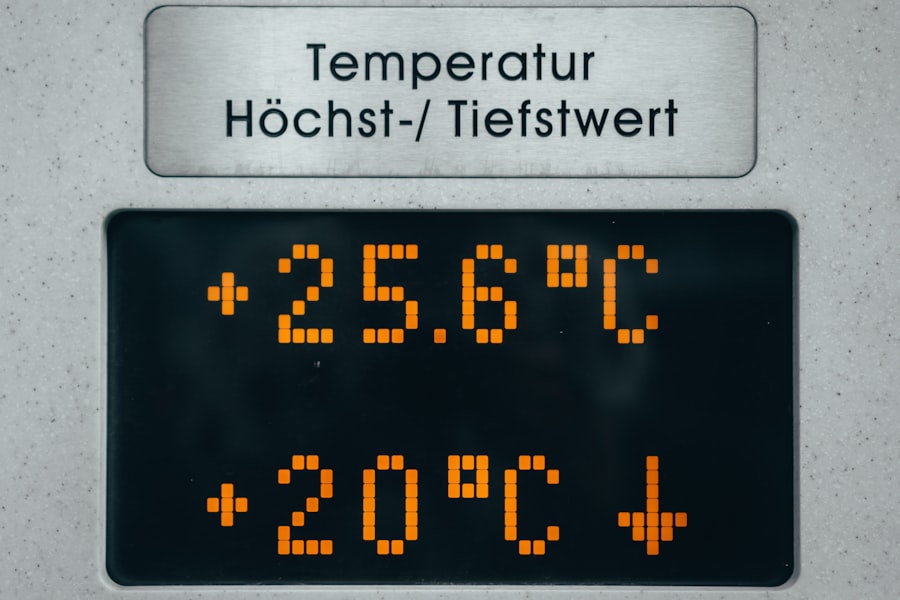
One of the most immediate effects of climate change that you may notice is the increase in global temperatures. As the planet warms, heatwaves are becoming more frequent and intense, leading to a rise in heat-related illnesses. You might find yourself feeling the effects of these rising temperatures during summer months, as prolonged exposure to extreme heat can lead to heat exhaustion or heat stroke.
These conditions can be particularly dangerous for vulnerable populations, such as the elderly or those with chronic illnesses, who may struggle to regulate their body temperature effectively. Moreover, the impact of rising temperatures extends beyond immediate health concerns. You may also observe how heatwaves can strain healthcare systems, leading to increased hospital admissions and emergency room visits.
The economic burden associated with heat-related illnesses can be substantial, affecting not only individuals but also communities and healthcare providers. As you consider these implications, it becomes evident that addressing the root causes of climate change is essential for protecting public health and ensuring that healthcare systems remain resilient in the face of rising temperatures.
Air Pollution and Respiratory Diseases

Air quality is another critical aspect of public health that is significantly affected by climate change. As temperatures rise, so does the concentration of air pollutants, including ground-level ozone and particulate matter. You may have experienced days when air quality alerts are issued, prompting you to stay indoors or limit outdoor activities.
These pollutants can exacerbate respiratory diseases such as asthma and chronic obstructive pulmonary disease (COPD), leading to increased morbidity and mortality rates. The connection between climate change and air pollution is particularly concerning for urban populations, where vehicle emissions and industrial activities contribute significantly to poor air quality. As you navigate city streets, you might notice the haze that hangs over urban areas, a visible reminder of the health risks associated with air pollution.
Children and the elderly are especially vulnerable to these effects, as their respiratory systems may be less capable of coping with polluted air. By understanding the link between climate change and respiratory diseases, you can advocate for cleaner air initiatives and support policies aimed at reducing emissions.
Extreme Weather Events and Injuries
Extreme weather events, such as hurricanes, floods, and wildfires, are becoming more frequent due to climate change. These events not only pose immediate threats to life and property but also have long-term implications for public health. You may recall recent news stories about communities devastated by natural disasters, where individuals faced injuries, displacement, and loss of access to essential services.
The physical injuries sustained during these events can be severe, but the psychological toll is equally significant. In the aftermath of extreme weather events, you might witness communities struggling to recover. Access to healthcare can be disrupted, leading to delays in treatment for both physical injuries and chronic conditions.
Additionally, mental health issues often arise in the wake of such disasters, as individuals grapple with trauma and loss. The cumulative impact of extreme weather events on public health underscores the need for comprehensive disaster preparedness plans that prioritize both physical and mental well-being.
Food and Water Insecurity and Malnutrition
Climate change also poses a significant threat to food security and access to clean water. As you consider the implications of changing weather patterns on agriculture, it becomes clear that crop yields are increasingly vulnerable to droughts, floods, and shifting growing seasons. You may have noticed rising food prices or shortages in your local grocery store as a result of these disruptions.
Food insecurity can lead to malnutrition, particularly among vulnerable populations such as children and low-income families. Water scarcity is another pressing issue linked to climate change. As temperatures rise and precipitation patterns shift, access to clean water becomes increasingly uncertain.
You might find yourself concerned about water quality in your community or the availability of safe drinking water during droughts or floods. The consequences of food and water insecurity extend beyond individual health; they can destabilize communities and contribute to social unrest. By understanding these challenges, you can support initiatives aimed at promoting sustainable agriculture and ensuring equitable access to resources.
Vector-Borne Diseases and Spread of Infectious Diseases
The changing climate is also facilitating the spread of vector-borne diseases such as malaria, dengue fever, and Lyme disease. As temperatures rise and weather patterns shift, you may notice that mosquitoes and ticks are expanding their ranges into new areas where they were previously uncommon. This increase in vector populations poses a direct threat to public health, as these insects are responsible for transmitting diseases that can have serious consequences for individuals’ health.
You might also be aware that climate change can influence the timing and intensity of disease outbreaks. Warmer temperatures can accelerate the life cycles of vectors, leading to more frequent transmission of diseases during peak seasons. Additionally, extreme weather events can create conditions conducive to outbreaks by displacing populations or disrupting healthcare services.
By recognizing the link between climate change and infectious diseases, you can advocate for public health measures that focus on prevention and control strategies tailored to changing environmental conditions.
Mental Health Impacts of Climate Change
The mental health impacts of climate change are often overlooked but are equally important to consider. As you reflect on the various ways climate change affects individuals and communities, it becomes clear that anxiety about environmental degradation can lead to feelings of helplessness and despair. You may have experienced eco-anxiety yourself or witnessed friends or family members grappling with concerns about the future of the planet.
Moreover, the psychological toll of extreme weather events cannot be underestimated. Survivors of natural disasters often face post-traumatic stress disorder (PTSD), depression, and anxiety as they navigate the aftermath of destruction. The loss of homes, livelihoods, and loved ones can create a profound sense of grief that lingers long after the physical damage has been repaired.
By acknowledging these mental health impacts, you can advocate for mental health resources that address the unique challenges posed by climate change.
Addressing the Public Health Emergency of Climate Change
In conclusion, it is evident that climate change represents a significant public health emergency that requires immediate attention and action. As you consider the various ways in which climate change impacts health—ranging from rising temperatures and air pollution to food insecurity and mental health—you may feel compelled to engage in advocacy efforts aimed at mitigating these risks. The interconnectedness of environmental sustainability and public health underscores the importance of adopting comprehensive strategies that address both issues simultaneously.
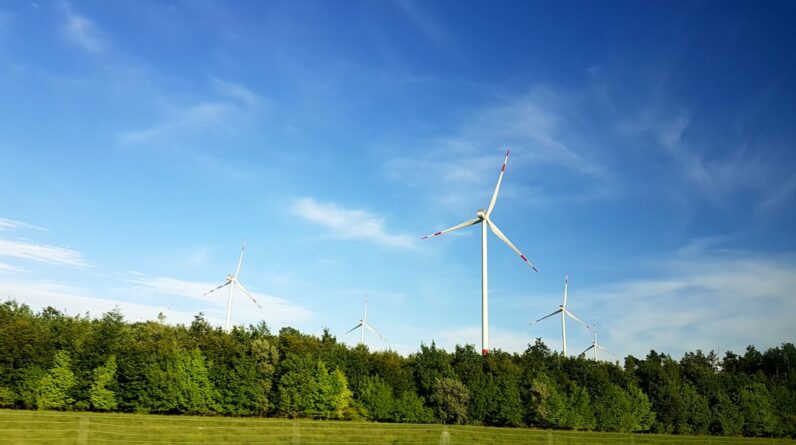
By supporting policies that promote renewable energy sources, sustainable agriculture practices, and improved public transportation systems, you can contribute to a healthier planet for future generations. Additionally, raising awareness about the health impacts of climate change within your community can foster a collective sense of responsibility toward creating a more resilient society. Ultimately, addressing the public health emergency posed by climate change requires a concerted effort from individuals like you who are willing to take action for a healthier future.
In a related article on the disadvantages of planting trees for climate change, the complexities of using tree planting as a solution to combat global warming are explored. While trees play a crucial role in sequestering carbon dioxide, there are also potential drawbacks to consider, such as the impact on local ecosystems and the need for careful planning to ensure long-term success. This article sheds light on the nuances of tree planting initiatives and the importance of considering all factors when addressing the urgent issue of climate change.
FAQs
What is the current state of climate change and its impact on public health?
Climate change is already having a significant impact on public health. Rising temperatures, extreme weather events, and changing disease patterns are all contributing to a range of health issues, including heat-related illnesses, respiratory problems, and the spread of infectious diseases.
How does climate change affect vulnerable populations?
Vulnerable populations, such as the elderly, children, and low-income communities, are particularly at risk from the health impacts of climate change. These groups may have limited access to healthcare, be more susceptible to heat-related illnesses, and face greater challenges in recovering from extreme weather events.
What are some of the specific health risks associated with climate change?
Climate change is linked to an increase in heat-related illnesses, such as heat stroke and dehydration, as well as the spread of vector-borne diseases like Zika virus and Lyme disease. Air pollution and allergens are also on the rise, leading to higher rates of respiratory problems and allergies.
How can public health systems respond to the challenges of climate change?
Public health systems can respond to the challenges of climate change by implementing heat wave early warning systems, improving access to healthcare for vulnerable populations, and promoting policies that reduce greenhouse gas emissions and mitigate the impacts of climate change on public health.
What can individuals do to protect their health in the face of climate change?
Individuals can protect their health in the face of climate change by staying informed about local climate-related health risks, taking steps to reduce their carbon footprint, and preparing for extreme weather events. It’s also important to advocate for policies that address the public health impacts of climate change.