When you think of the vast oceans that cover more than 70% of our planet, it’s easy to overlook the microscopic life forms that play a crucial role in maintaining the health of marine ecosystems and, by extension, the Earth itself. Oceanic plankton, which includes both phytoplankton and zooplankton, are the foundation of the marine food web. These tiny organisms drift with ocean currents, forming the basis for the diets of countless marine species, from the smallest fish to the largest whales.
Their significance extends beyond just being a food source; they are vital players in global biogeochemical cycles, particularly in oxygen production and carbon sequestration. As you delve deeper into the world of oceanic plankton, you’ll discover that these organisms are not just passive drifters. They are dynamic entities that respond to environmental changes and play an active role in regulating the Earth’s climate.
Understanding their biology and ecological functions is essential for grasping how they contribute to the planet’s overall health. In this article, you will explore the multifaceted roles of oceanic plankton, particularly their contributions to oxygen production, their responses to climate change, and the human impacts that threaten their existence.
Key Takeaways
- Oceanic plankton are tiny organisms that play a crucial role in the marine ecosystem.
- Oceanic plankton are responsible for producing a significant amount of the world’s oxygen through photosynthesis.
- Factors such as temperature, nutrient availability, and light intensity can affect the oxygen production of oceanic plankton.
- Climate change can have a significant impact on oceanic plankton and their ability to produce oxygen.
- Oceanic plankton also play a role in carbon sequestration, helping to mitigate the effects of climate change.
The Importance of Oceanic Plankton in Oxygen Production
You may be surprised to learn that oceanic plankton are responsible for producing approximately 50% of the oxygen we breathe. This staggering statistic highlights their importance not only to marine life but also to terrestrial ecosystems and human beings. Phytoplankton, the photosynthetic component of plankton, harness sunlight to convert carbon dioxide and water into organic matter and oxygen through the process of photosynthesis.
This natural process is essential for maintaining atmospheric oxygen levels and supporting life on Earth. The role of oceanic plankton in oxygen production is particularly significant when you consider the sheer volume of these organisms present in the oceans. A single drop of seawater can contain thousands of phytoplankton cells, each contributing to oxygen generation.
As you explore coastal waters or open oceans, you might not see them with your naked eye, but their impact is profound. The health of these microscopic organisms directly correlates with the health of our planet’s atmosphere, making their conservation a priority for sustaining life as we know it.
Photosynthesis and Oxygen Production by Oceanic Plankton
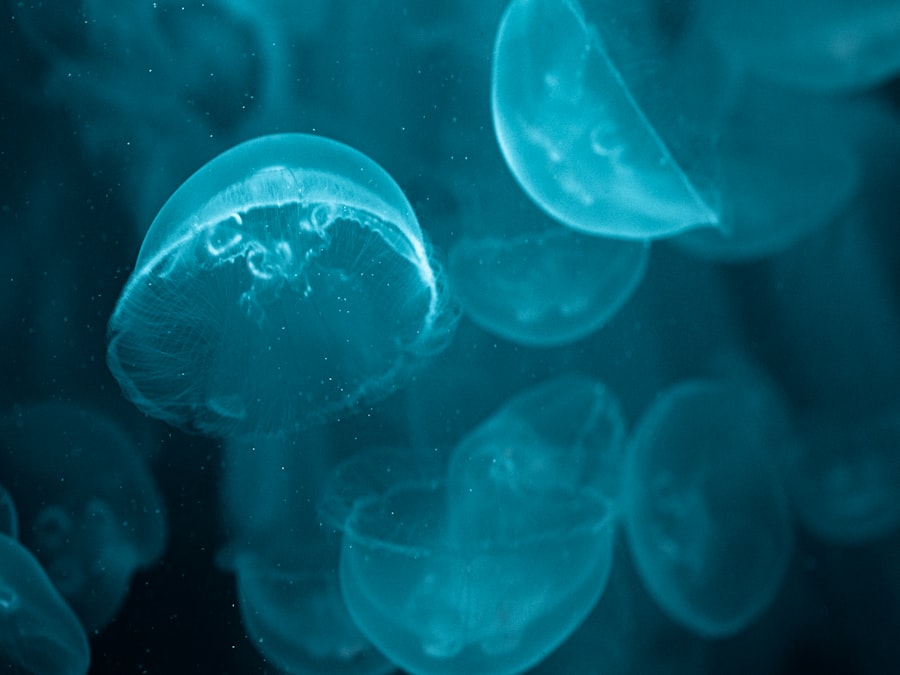
Photosynthesis is a remarkable process that allows oceanic plankton to convert sunlight into energy. You might find it fascinating that phytoplankton utilize chlorophyll, the same pigment found in terrestrial plants, to capture light energy. This energy drives a series of chemical reactions that transform carbon dioxide and water into glucose and oxygen.
The oxygen produced during this process is released into the water and eventually diffuses into the atmosphere, contributing to the air we breathe. The efficiency of photosynthesis in oceanic plankton is influenced by various factors, including light availability, nutrient levels, and water temperature. In nutrient-rich areas known as upwelling zones, phytoplankton blooms can occur, leading to significant spikes in oxygen production.
These blooms not only support marine life but also play a crucial role in regulating atmospheric gases. As you consider the intricate balance of these ecosystems, it becomes clear that any disruption to phytoplankton populations could have far-reaching consequences for global oxygen levels.
Factors Affecting Oxygen Production by Oceanic Plankton
As you explore the factors that influence oxygen production by oceanic plankton, you’ll find that both natural and anthropogenic elements come into play. Nutrient availability is one of the most critical factors; phytoplankton require essential nutrients such as nitrogen, phosphorus, and iron to thrive. In regions where these nutrients are abundant, you may witness vibrant blooms of phytoplankton that significantly boost oxygen output.
Conversely, nutrient-poor areas can lead to diminished plankton populations and reduced oxygen production. Another important factor is light availability. The depth of sunlight penetration into the water column affects how much light phytoplankton can access for photosynthesis.
In coastal areas where sediment or organic matter may cloud the water, light penetration can be limited, impacting plankton growth. Additionally, temperature plays a role; warmer waters can enhance metabolic rates but may also lead to stratification, where layers of water do not mix well. This stratification can limit nutrient distribution and ultimately affect oxygen production.
The Impact of Climate Change on Oceanic Plankton and Oxygen Production
Climate change poses significant challenges to oceanic plankton and their ability to produce oxygen. As global temperatures rise, ocean waters are warming, which can alter plankton distribution patterns and affect their growth rates. You may notice that certain species thrive in warmer waters while others struggle to survive.
This shift can disrupt established food webs and lead to imbalances in marine ecosystems. Moreover, increased carbon dioxide levels in the atmosphere lead to ocean acidification, which can have detrimental effects on phytoplankton populations. Acidic waters can hinder their ability to perform photosynthesis effectively and may even impact their reproductive success.
As you consider these changes, it becomes evident that climate change not only threatens plankton populations but also jeopardizes their critical role in oxygen production and overall ocean health.
The Role of Oceanic Plankton in Carbon Sequestration
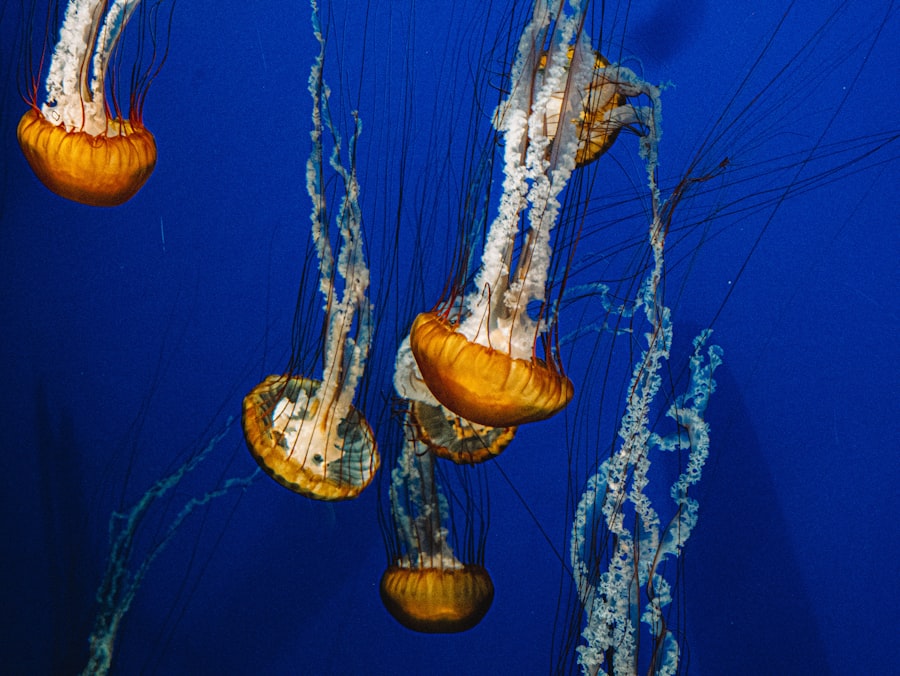
In addition to producing oxygen, oceanic plankton play a vital role in carbon sequestration—the process by which carbon dioxide is absorbed from the atmosphere and stored in oceanic systems. When phytoplankton photosynthesize, they take in carbon dioxide and convert it into organic matter. When these organisms die or are consumed by zooplankton and other marine life, some of this organic matter sinks to deeper layers of the ocean, effectively sequestering carbon away from the atmosphere.
This natural process is crucial for regulating global climate patterns. As you reflect on the interconnectedness of life on Earth, consider how healthy plankton populations contribute not only to oxygen production but also to mitigating climate change by removing carbon dioxide from the atmosphere. However, disruptions caused by human activities or environmental changes can hinder this process, leading to increased atmospheric carbon levels and exacerbating climate issues.
Human Impacts on Oceanic Plankton and Oxygen Production
Human activities have far-reaching consequences for oceanic plankton and their ability to produce oxygen effectively. Pollution from agricultural runoff introduces excess nutrients into coastal waters, leading to harmful algal blooms that can deplete oxygen levels rather than enhance them. These blooms can create dead zones where marine life struggles to survive due to low oxygen availability.
Additionally, overfishing practices can disrupt food webs and alter predator-prey dynamics within marine ecosystems. When key species are removed from these systems, it can lead to imbalances that affect plankton populations and their ability to thrive. As you consider your own impact on these ecosystems—whether through consumption choices or lifestyle habits—it becomes clear that individual actions can collectively influence the health of oceanic plankton and their vital contributions to oxygen production.
Conservation and Management of Oceanic Plankton for Sustaining Oxygen Production
To ensure that oceanic plankton continue to thrive and fulfill their essential roles in oxygen production and carbon sequestration, conservation efforts must be prioritized. You can play a part in this by advocating for sustainable fishing practices that protect marine ecosystems and promote biodiversity. Supporting policies aimed at reducing pollution and mitigating climate change will also contribute to healthier oceans.
Moreover, raising awareness about the importance of oceanic plankton can inspire collective action toward conservation efforts. Engaging with local communities or participating in citizen science projects focused on monitoring plankton populations can help foster a deeper understanding of these organisms’ significance. By taking steps toward responsible stewardship of our oceans, you contribute not only to the health of marine ecosystems but also to the well-being of our planet as a whole.
In conclusion, oceanic plankton are indispensable components of our planet’s ecological balance. Their roles in oxygen production, carbon sequestration, and supporting marine life cannot be overstated. As you reflect on your relationship with the oceans and their inhabitants, consider how your actions can contribute to preserving these vital organisms for future generations.
Through informed choices and advocacy for sustainable practices, you can help ensure that oceanic plankton continue to thrive in an ever-changing world.
If you are interested in learning more about the benefits of trees for the environment, you may want to check out the article Advantages of Planting Trees for Climate Change. This article discusses how planting trees can help combat climate change by absorbing carbon dioxide and releasing oxygen, similar to the role of oceanic plankton in oxygen production. It highlights the importance of trees in maintaining a healthy ecosystem and reducing the impact of global warming.
FAQs
What is oceanic plankton?
Oceanic plankton are microscopic organisms that drift or swim in the ocean. They include phytoplankton (plant-like organisms) and zooplankton (animal-like organisms).
How do oceanic plankton contribute to oxygen production?
Oceanic plankton, particularly phytoplankton, play a crucial role in oxygen production through photosynthesis. They use sunlight to convert carbon dioxide and water into organic compounds and release oxygen as a byproduct.
What is the significance of oceanic plankton in the global oxygen cycle?
Oceanic plankton are responsible for producing a significant portion of the Earth’s oxygen. It is estimated that they contribute between 50-85% of the oxygen in the Earth’s atmosphere.
How does climate change impact oceanic plankton and oxygen production?
Climate change can affect oceanic plankton in various ways, such as altering ocean temperatures, nutrient availability, and ocean acidity. These changes can impact the growth and distribution of plankton, potentially affecting their contribution to oxygen production.
What are the potential consequences of a decline in oceanic plankton populations?
A decline in oceanic plankton populations could lead to reduced oxygen production, impacting marine ecosystems and potentially affecting the Earth’s overall oxygen levels. It could also disrupt food chains and marine biodiversity.