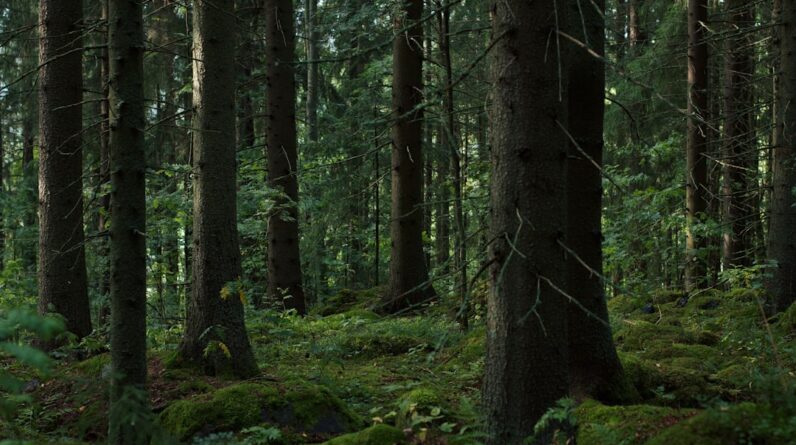
Reforestation plays a crucial role in the survival of endangered species, acting as a lifeline for many organisms that are on the brink of extinction. When you consider the rapid deforestation occurring worldwide, it becomes evident that the loss of trees directly impacts the habitats of countless species. Forests are not just collections of trees; they are complex ecosystems that provide food, shelter, and breeding grounds for a myriad of wildlife.
By replanting trees and restoring these vital habitats, you contribute to the preservation of biodiversity and the protection of species that are struggling to survive. Moreover, reforestation can help mitigate the effects of climate change, which poses an additional threat to endangered species. As temperatures rise and weather patterns shift, many animals find it increasingly difficult to adapt to their changing environments.
By restoring forests, you not only create a more stable climate but also enhance the resilience of ecosystems. This stability is essential for endangered species, as it allows them to thrive in their natural habitats rather than being forced into smaller, fragmented areas where survival becomes increasingly challenging.
Key Takeaways
- Reforestation is crucial for the survival of endangered species as it provides them with a restored and protected habitat.
- Reforestation plays a vital role in restoring habitats for endangered species, providing them with food, shelter, and breeding grounds.
- Reforestation helps prevent the extinction of endangered species by creating a sustainable environment for them to thrive in.
- There are successful reforestation projects that have significantly contributed to the recovery of endangered species populations.
- Reforestation is closely linked to biodiversity conservation, as it helps to create and maintain diverse ecosystems that support a wide range of species.
The Role of Reforestation in Habitat Restoration
When you engage in reforestation efforts, you are actively participating in habitat restoration, which is vital for the recovery of endangered species. Many animals depend on specific types of vegetation for their survival, and when these plants are removed, their populations can dwindle rapidly. Reforestation helps to restore these critical habitats by reintroducing native flora that supports local fauna.
This process not only provides food and shelter for endangered species but also helps to restore the ecological balance within the ecosystem. In addition to providing immediate benefits to wildlife, reforestation can also enhance the overall health of the environment. Healthy forests contribute to clean air and water, regulate temperatures, and prevent soil erosion.
When you restore a forest, you are not just helping one species; you are creating a thriving ecosystem that supports a wide range of life forms. This interconnectedness is essential for maintaining biodiversity and ensuring that endangered species have the resources they need to survive and reproduce.
How Reforestation Helps to Prevent Extinction
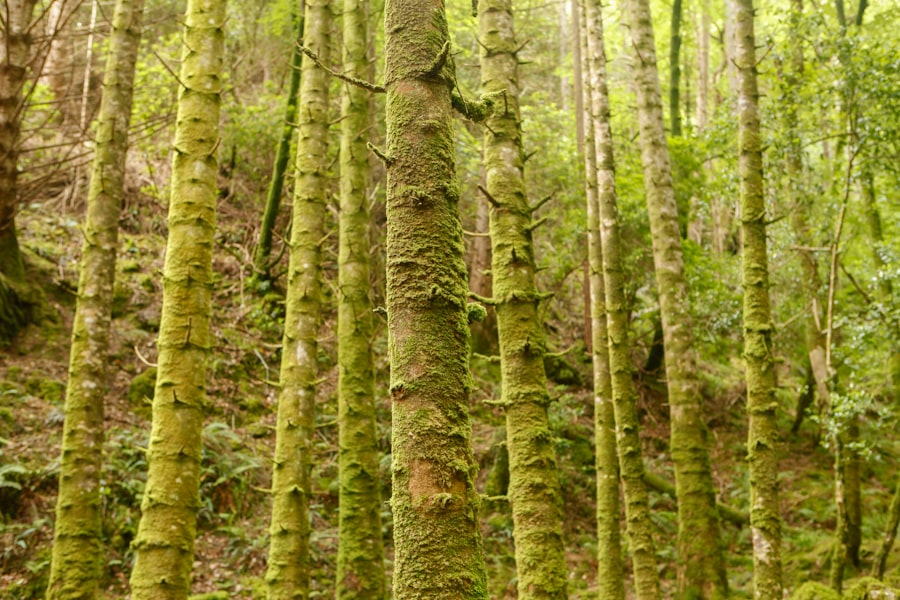
Reforestation is a powerful tool in the fight against extinction. By restoring forests, you create safe havens for endangered species that have lost their natural habitats due to human activities such as logging, agriculture, and urban development. These newly established forests can serve as breeding grounds and migration corridors, allowing populations to grow and thrive.
When you support reforestation initiatives, you are directly contributing to the prevention of extinction for many vulnerable species. Furthermore, reforestation can help bolster genetic diversity within endangered populations. When habitats are fragmented, animal populations become isolated from one another, leading to inbreeding and a decrease in genetic variation.
This lack of diversity can make species more susceptible to diseases and environmental changes. By connecting fragmented habitats through reforestation efforts, you facilitate gene flow between populations, enhancing their resilience and ability to adapt to changing conditions.
Success Stories of Reforestation Projects for Endangered Species
There are numerous success stories that highlight the positive impact of reforestation on endangered species. One notable example is the restoration of the Atlantic Forest in Brazil, which has been home to many endangered species such as the golden lion tamarin. Through extensive reforestation efforts, local organizations have successfully increased the population of this primate by creating corridors that connect fragmented habitats.
As a result, you can see how targeted reforestation can lead to tangible improvements in the survival rates of endangered species. Another inspiring case is found in Madagascar, where reforestation projects have been implemented to protect the critically endangered lemurs. By planting native trees and restoring degraded land, conservationists have created new habitats for these unique primates.
The efforts have not only helped stabilize lemur populations but have also engaged local communities in sustainable practices that benefit both wildlife and people. These success stories demonstrate that with dedication and collaboration, reforestation can yield significant benefits for endangered species.
The Connection Between Reforestation and Biodiversity Conservation
Reforestation is intrinsically linked to biodiversity conservation. When you restore forests, you create an environment where various species can coexist and thrive. Biodiversity is essential for ecosystem stability; it ensures that ecosystems can withstand environmental changes and continue to provide vital services such as clean air and water.
By participating in reforestation efforts, you contribute to the preservation of this biodiversity, which is crucial for maintaining healthy ecosystems. Additionally, diverse ecosystems are more resilient to threats such as climate change and invasive species. When you support reforestation initiatives that focus on planting a variety of native species, you help create a balanced ecosystem that can better withstand disturbances.
This diversity not only benefits endangered species but also supports a wide range of other organisms, from insects to larger mammals. In this way, your involvement in reforestation contributes to a more sustainable future for all living beings.
Challenges and Limitations of Reforestation for Endangered Species
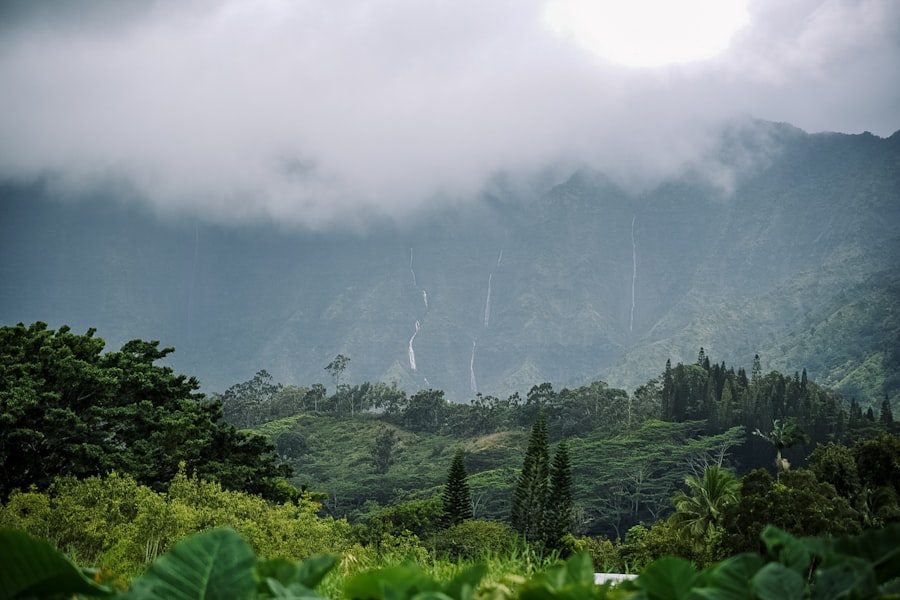
While reforestation offers numerous benefits for endangered species, it is not without its challenges and limitations. One significant hurdle is ensuring that the right species are planted in the right locations. If non-native or invasive species are introduced during reforestation efforts, they can outcompete native flora and disrupt local ecosystems.
This can ultimately harm the very species that conservationists aim to protect. Therefore, careful planning and research are essential when undertaking reforestation projects. Another challenge lies in securing funding and resources for long-term maintenance of reforested areas.
Planting trees is just the beginning; ongoing care is necessary to ensure that these young forests thrive. Without adequate support from governments, NGOs, and local communities, reforested areas may struggle to reach their full potential as habitats for endangered species. As someone interested in conservation, it’s important to recognize these challenges and advocate for comprehensive strategies that address them.
The Future of Reforestation Efforts for Endangered Species
Looking ahead, the future of reforestation efforts for endangered species appears promising but requires sustained commitment from individuals, organizations, and governments alike. As awareness grows about the importance of preserving biodiversity and combating climate change, more resources are being allocated toward reforestation initiatives. Innovative approaches such as community-based forestry and agroforestry are gaining traction, allowing local populations to engage in sustainable practices while supporting wildlife conservation.
Moreover, advancements in technology are enhancing our ability to monitor and evaluate reforestation projects effectively. Drones and satellite imagery can provide valuable data on forest health and growth rates, enabling conservationists to make informed decisions about future efforts. As you consider your role in this movement, remember that your support—whether through volunteering or financial contributions—can help drive these initiatives forward.
How Individuals Can Contribute to Reforestation for Endangered Species
You have the power to make a difference in reforestation efforts for endangered species through various actions. One effective way is by supporting organizations dedicated to conservation and reforestation projects. Many nonprofits focus on planting trees in critical habitats while also engaging local communities in sustainable practices.
By donating or volunteering your time with these organizations, you can directly contribute to their mission. Additionally, consider participating in local tree-planting events or starting your own initiative within your community. Educating others about the importance of reforestation can inspire collective action toward preserving endangered species and their habitats.
You can also advocate for policies that promote sustainable land use and forest conservation at local and national levels. Every small action counts; by raising awareness and encouraging others to join the cause, you amplify your impact on reforestation efforts for endangered species. In conclusion, reforestation is an essential strategy for protecting endangered species and restoring vital ecosystems.
By understanding its importance and actively participating in these efforts, you contribute not only to the survival of individual species but also to the health of our planet as a whole. Your involvement can help shape a future where biodiversity thrives alongside human development—a future where both people and wildlife coexist harmoniously.
In a related article discussing the disadvantages of planting trees for climate change, it is important to consider the potential drawbacks of reforestation efforts. While planting trees can have numerous benefits for the environment and endangered species, there are also challenges to be aware of. Factors such as land use conflicts, invasive species, and monoculture plantations can all impact the success of reforestation projects. It is crucial to carefully consider these factors in order to ensure that reforestation efforts are truly effective in saving endangered species. To learn more about the disadvantages of planting trees for climate change, check out this article.
FAQs
What is the Noah’s Ark Effect?
The Noah’s Ark Effect refers to the concept of reforestation providing a safe haven for endangered species, similar to the biblical story of Noah’s Ark saving animals from a catastrophic flood.
How does reforestation save endangered species?
Reforestation creates new habitats for endangered species, allowing them to thrive and increase their populations. It also helps to restore ecological balance and provide food and shelter for a variety of species.
What are some examples of endangered species benefiting from reforestation?
Endangered species such as the orangutan, Sumatran tiger, and Bornean elephant have all benefited from reforestation efforts in their native habitats. Reforestation has helped to expand their habitats and increase their chances of survival.
What are the environmental benefits of reforestation?
Reforestation helps to combat climate change by absorbing carbon dioxide from the atmosphere, improving air and water quality, and preventing soil erosion. It also supports biodiversity and provides valuable ecosystem services.
How can individuals contribute to reforestation efforts?
Individuals can support reforestation efforts by participating in tree planting initiatives, donating to conservation organizations, and making sustainable choices in their daily lives to reduce deforestation and promote forest conservation.