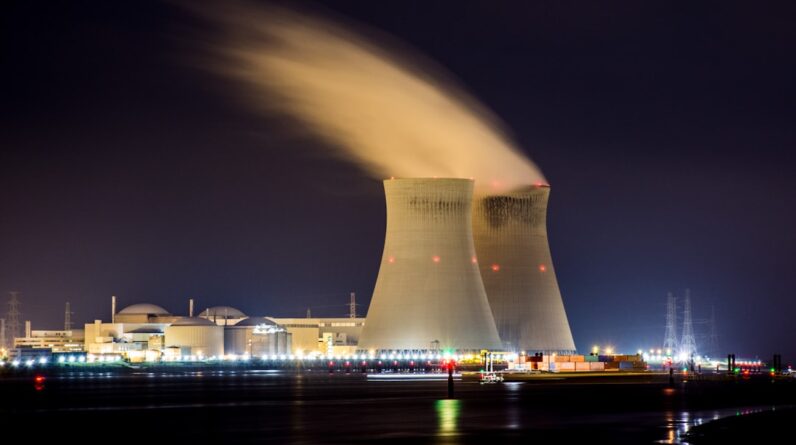
As you navigate the complex landscape of climate change solutions, nuclear power emerges as a significant player in the quest for sustainable energy. With the world grappling with the urgent need to reduce carbon emissions, nuclear energy offers a low-carbon alternative to fossil fuels. Unlike coal and natural gas, which release substantial amounts of greenhouse gases into the atmosphere, nuclear power plants generate electricity through nuclear fission, producing minimal direct emissions.
This characteristic positions nuclear energy as a crucial component in the global strategy to combat climate change, especially as nations strive to meet their carbon reduction targets. Moreover, the reliability of nuclear power cannot be overstated. Unlike renewable sources such as wind and solar, which are subject to fluctuations based on weather conditions, nuclear power provides a consistent and stable energy output.
This reliability is essential for maintaining grid stability and ensuring that energy demands are met without resorting to fossil fuel backup systems. As you consider the future of energy production, it becomes clear that integrating nuclear power into the energy mix can significantly contribute to a more sustainable and resilient energy infrastructure.
Key Takeaways
- Nuclear power plays a significant role in addressing climate change by providing a low-carbon energy source
- Advantages of nuclear power include high energy density and low greenhouse gas emissions, while disadvantages include high initial costs and potential for accidents
- Safety concerns and risks associated with nuclear power include the possibility of accidents and the long-term storage of radioactive waste
- Nuclear power has the potential to significantly reduce greenhouse gas emissions and mitigate the effects of climate change
- The economic viability of nuclear power is influenced by factors such as construction costs, fuel prices, and government subsidies
Advantages and Disadvantages of Nuclear Power
When evaluating nuclear power, you will find a range of advantages that make it an attractive option for energy generation. One of the most compelling benefits is its ability to produce large amounts of electricity with a relatively small environmental footprint. Nuclear plants require less land compared to renewable energy installations, such as wind farms or solar arrays, which can occupy vast areas.
Additionally, the fuel used in nuclear reactors is incredibly dense, meaning that a small amount can generate a significant amount of energy. This efficiency translates into lower resource consumption and reduced habitat disruption. However, alongside these advantages, there are notable disadvantages that warrant your attention.
The initial costs associated with building nuclear power plants are substantial, often running into billions of dollars. This financial burden can deter investment and slow down the development of new facilities. Furthermore, the long construction timelines can delay the benefits of nuclear energy in addressing immediate energy needs.
You must also consider public perception; many communities remain wary of nuclear power due to historical accidents and concerns about safety and waste management.
Safety Concerns and Risks Associated with Nuclear Power

Safety is a paramount concern when discussing nuclear power, and it is essential for you to understand both the advancements made in this area and the lingering fears that persist. Modern nuclear reactors are designed with multiple safety systems intended to prevent accidents and mitigate their consequences should they occur. Innovations such as passive safety systems allow reactors to shut down safely without human intervention in the event of an emergency.
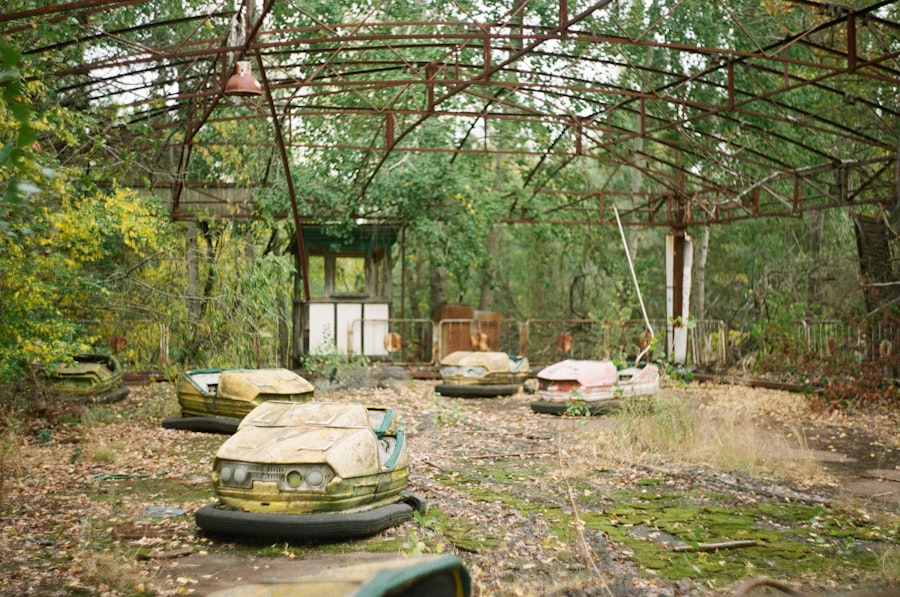
These advancements have significantly improved the safety profile of nuclear energy compared to earlier generations of reactors. Despite these improvements, the shadow of past disasters looms large in public consciousness. Incidents like Chernobyl and Fukushima have left indelible marks on how society perceives nuclear power.
The potential for catastrophic failure, while statistically low, remains a significant concern for many individuals. As you weigh the risks associated with nuclear energy, it is crucial to consider not only the technological safeguards in place but also the psychological impact of historical events on public opinion and policy decisions.
The Potential of Nuclear Power to Reduce Greenhouse Gas Emissions
As you delve deeper into the environmental implications of nuclear power, its potential to reduce greenhouse gas emissions becomes increasingly evident. The energy sector is one of the largest contributors to global carbon emissions, primarily due to reliance on fossil fuels for electricity generation. By substituting coal and natural gas with nuclear energy, countries can make substantial strides toward achieving their climate goals.
Studies have shown that a significant increase in nuclear power generation could lead to a marked decrease in overall emissions, helping to mitigate the effects of climate change. Furthermore, as you consider the long-term implications of transitioning to a low-carbon economy, nuclear power can play a pivotal role in providing baseload electricity while complementing intermittent renewable sources. This synergy allows for a more balanced energy portfolio that can adapt to varying demand levels without compromising environmental integrity.
By harnessing the strengths of both nuclear and renewable energy, you can envision a future where greenhouse gas emissions are drastically reduced, paving the way for a more sustainable planet.
The Economic Viability of Nuclear Power
When assessing the economic viability of nuclear power, you must weigh both its costs and benefits carefully. The initial capital investment required for constructing nuclear facilities is undeniably high, often leading to concerns about financial feasibility. However, once operational, nuclear plants can provide stable electricity prices over their long lifespans, typically ranging from 40 to 60 years or more.
This stability can be particularly advantageous in volatile energy markets where fossil fuel prices fluctuate dramatically. Additionally, as you consider the broader economic implications, it is essential to recognize the job creation potential associated with nuclear power. The construction and operation of nuclear facilities generate thousands of jobs in engineering, construction, and maintenance sectors.
Moreover, these jobs often come with competitive wages and benefits, contributing positively to local economies. As you evaluate the economic landscape surrounding nuclear power, it becomes clear that while initial costs may be daunting, the long-term benefits can outweigh these challenges.
The Challenges of Nuclear Waste Management
One of the most pressing issues facing the nuclear industry today is waste management. As you explore this topic, it becomes apparent that managing radioactive waste is a complex challenge that requires careful planning and execution. Nuclear reactors produce spent fuel that remains hazardous for thousands of years, necessitating secure storage solutions that can protect both human health and the environment.
Current strategies include deep geological repositories designed to isolate waste from the biosphere for extended periods. However, public opposition to waste storage facilities often complicates these efforts. Communities may resist having such facilities located near them due to fears about safety and environmental impact.
As you consider potential solutions, it is crucial to engage in transparent dialogue with stakeholders and develop comprehensive waste management strategies that address public concerns while ensuring safety and security.
The Role of Renewable Energy in Conjunction with Nuclear Power
In your exploration of sustainable energy solutions, it is essential to recognize that nuclear power does not exist in isolation; rather, it complements renewable energy sources like wind and solar. Each energy source has its strengths and weaknesses, and by integrating them into a cohesive energy strategy, you can create a more resilient and reliable grid. For instance, while solar and wind energy are intermittent by nature, nuclear power can provide consistent baseload electricity that helps stabilize supply during periods when renewables may not be generating sufficient power.
This synergy between nuclear and renewable energy can also facilitate a smoother transition away from fossil fuels. As you consider future energy policies, promoting collaboration between these two sectors could lead to innovative solutions that enhance overall efficiency and sustainability. By leveraging the strengths of both nuclear and renewable sources, you can envision an energy landscape that meets growing demands while minimizing environmental impact.
Government Policies and Public Perception of Nuclear Power
Finally, as you reflect on the future of nuclear power, government policies play a critical role in shaping its trajectory. Supportive policies can encourage investment in new technologies and infrastructure while addressing safety concerns through stringent regulations. Conversely, political opposition or regulatory hurdles can stifle progress and hinder the development of new projects.
As you engage with this topic, it is essential to advocate for balanced policies that promote innovation while ensuring public safety. Public perception also significantly influences the future of nuclear power. As you navigate discussions about energy policy, it is vital to address misconceptions and fears surrounding nuclear energy through education and outreach initiatives.
By fostering informed dialogue about the benefits and risks associated with nuclear power, you can help build public trust and support for its role in achieving a sustainable energy future. Ultimately, your engagement in these conversations will be crucial in shaping policies that harness the potential of nuclear power while addressing societal concerns about safety and environmental impact.
In addition to considering nuclear power as a solution to the climate crisis, it is also important to explore the benefits of planting trees for the environment. Planting trees can help combat deforestation, reduce carbon dioxide levels, and mitigate the effects of climate change. To learn more about how planting trees can help the environment, check out this article on how planting trees helps the environment.
FAQs
What is nuclear power?
Nuclear power is the use of nuclear reactions to generate heat, which most frequently is then used in steam turbines to produce electricity in a nuclear power plant.
How does nuclear power impact the climate crisis?
Nuclear power is considered a low-carbon energy source, as it does not produce greenhouse gas emissions during electricity generation. This makes it a potential solution to the climate crisis by providing a reliable source of energy without contributing to global warming.
What are the potential drawbacks of nuclear power?
Some of the potential drawbacks of nuclear power include the risk of accidents, the generation of radioactive waste, and the high cost of building and maintaining nuclear power plants. Additionally, nuclear power raises concerns about nuclear proliferation and the potential for nuclear weapons development.
Is nuclear power renewable?
Nuclear power is not considered a renewable energy source, as it relies on the fission of uranium or plutonium, which are finite resources. However, it is often classified as a low-carbon energy source due to its minimal greenhouse gas emissions.
What are the alternatives to nuclear power in addressing the climate crisis?
Renewable energy sources such as solar, wind, and hydroelectric power are often considered alternatives to nuclear power in addressing the climate crisis. These sources are abundant, have minimal environmental impact, and are considered sustainable in the long term.