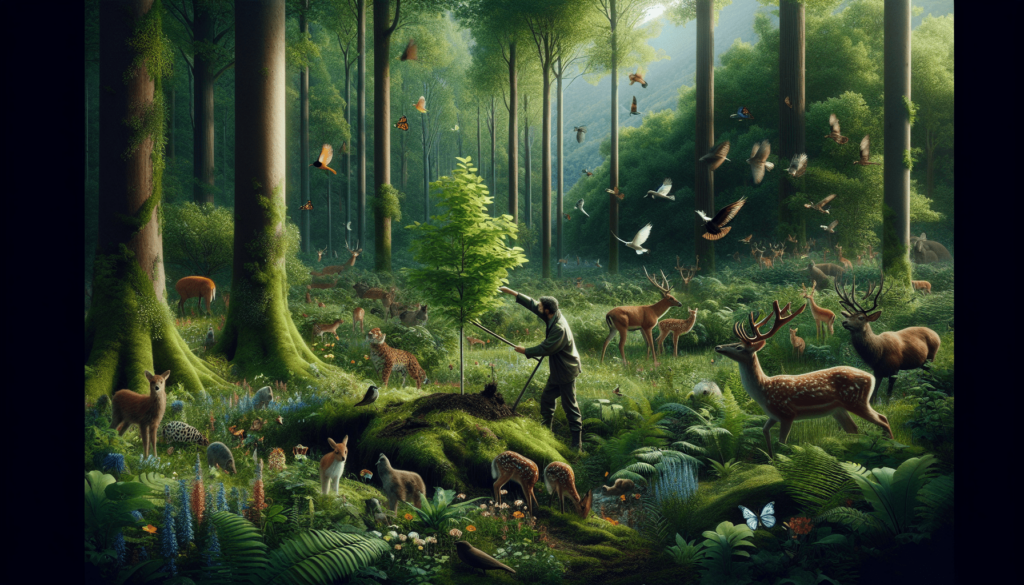
Have you ever considered how closely linked reforestation and wildlife conservation are? While these two efforts might seem distinct, they actually support one another in vital and complex ways. Understanding this symbiotic relationship can help you appreciate the interconnectedness of ecosystems and how human interventions can either harm or help the environment.
The Fundamentals of Reforestation
What Is Reforestation?
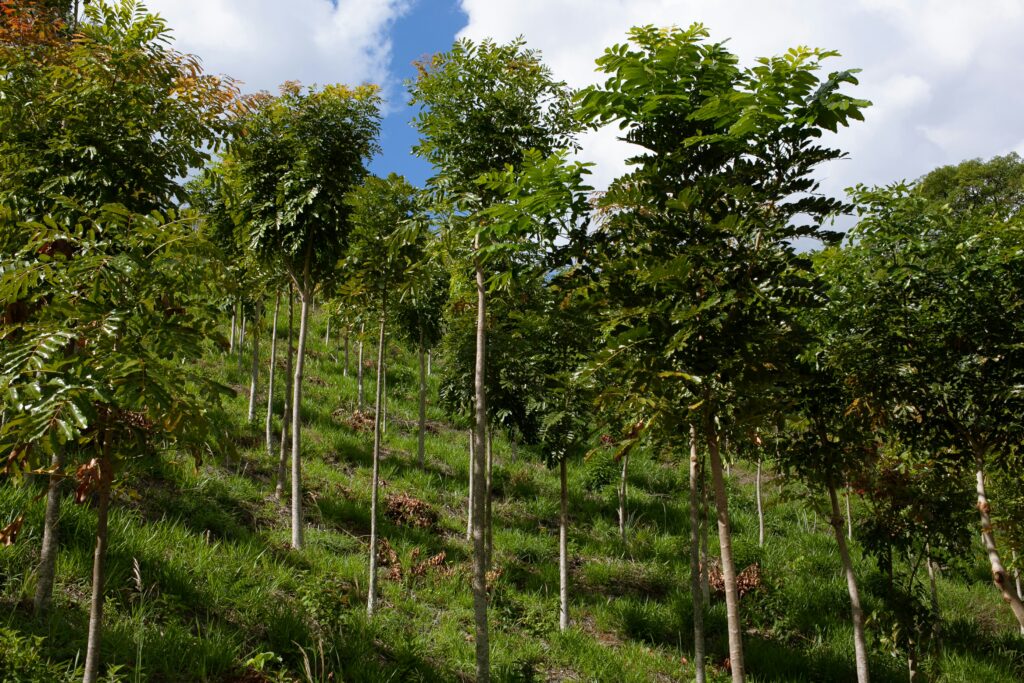
Reforestation involves planting trees in areas where forests have been depleted or destroyed, either through natural events or human activities. This practice aims to restore the ecological balance and improve various environmental factors. You may find it surprising how complex and impactful this straightforward activity can be.
Why Reforestation Matters
Restoring forests goes beyond merely planting trees. Here’s why it’s important:
- Climate Regulation: Trees absorb carbon dioxide, helping mitigate climate change.
- Soil Protection: Roots prevent soil erosion, maintaining land fertility.
- Water Cycle: Forests play a crucial role in regulating water cycles and reducing the risk of floods.
Historical Context
Did you know that reforestation has ancient origins? Ancient civilizations, like those in China, recognized the importance of tree planting and implemented early forms of reforestation to sustain their agricultural activities. Understanding the historical context can give you a sense of how the practice has evolved and why it remains indispensable today.
The Basics of Wildlife Conservation
What Is Wildlife Conservation?
Wildlife conservation involves protecting animal species and their habitats to ensure they continue to thrive for future generations. This includes a wide range of activities, from preserving natural habitats to enforcing laws that protect endangered species.
Importance of Wildlife Conservation
Why should you care about wildlife conservation? The reasons are multifaceted:
- Biodiversity: Protects the variety of life on Earth.
- Ecosystem Balance: Helps maintain balanced ecosystems.
- Economic Value: Many communities rely on wildlife for tourism and subsistence.
Historical Background
Wildlife conservation as a formal practice started in the early 20th century, spurred by the extinction of species like the passenger pigeon. Understanding its historical roots helps you see how far we’ve come and what challenges lie ahead.
The Intersection: Reforestation and Wildlife Conservation
How Trees Support Wildlife
When you think about it, trees provide essential resources that many animals can’t live without. From offering shelter to supplying food, reforested areas become sanctuaries for various species.
- Habitat Creation: Forests offer living spaces for animals.
- Food Supply: Trees provide fruits, nuts, and leaves.
- Shelter: Forest canopies and trunks serve as protective shelters.
Mutual Benefits
It’s interesting to note that wildlife, in turn, helps promote reforestation. For instance, animals like birds and squirrels aid in seed dispersal, effectively “planting” new trees as they go about their activities.
- Seed Dispersal: Animals spread seeds, leading to new tree growth.
- Pollination: Some animals pollinate trees, ensuring their reproduction.
- Soil Fertilization: Animal droppings enrich the soil, supporting plant growth.
Case Studies: Real-World Examples
Reforestation Projects
One notable example is the Green Belt Movement in Kenya, initiated by Wangari Maathai. Through community involvement, millions of trees have been planted, revitalizing ecosystems and benefiting local wildlife.
Wildlife Reserves
The establishment of reserves like Yellowstone National Park in the United States demonstrates how reforested areas become thriving wildlife habitats. Reintroduction programs for wolves and bison have shown significant improvements in ecosystem health.
Combined Efforts
In countries like Costa Rica, integrated approaches to reforestation and wildlife conservation have led to restored habitats that support diverse species, from jaguars to howler monkeys.
| Project Name | Location | Key Achievements |
|---|---|---|
| Green Belt Movement | Kenya | Millions of trees planted, local wildlife thriving |
| Yellowstone National Park | USA | Reintroduction of wolves and bison |
| Integrated Conservation | Costa Rica | Restoration of diverse habitats |
Challenges and Solutions
Addressing Deforestation
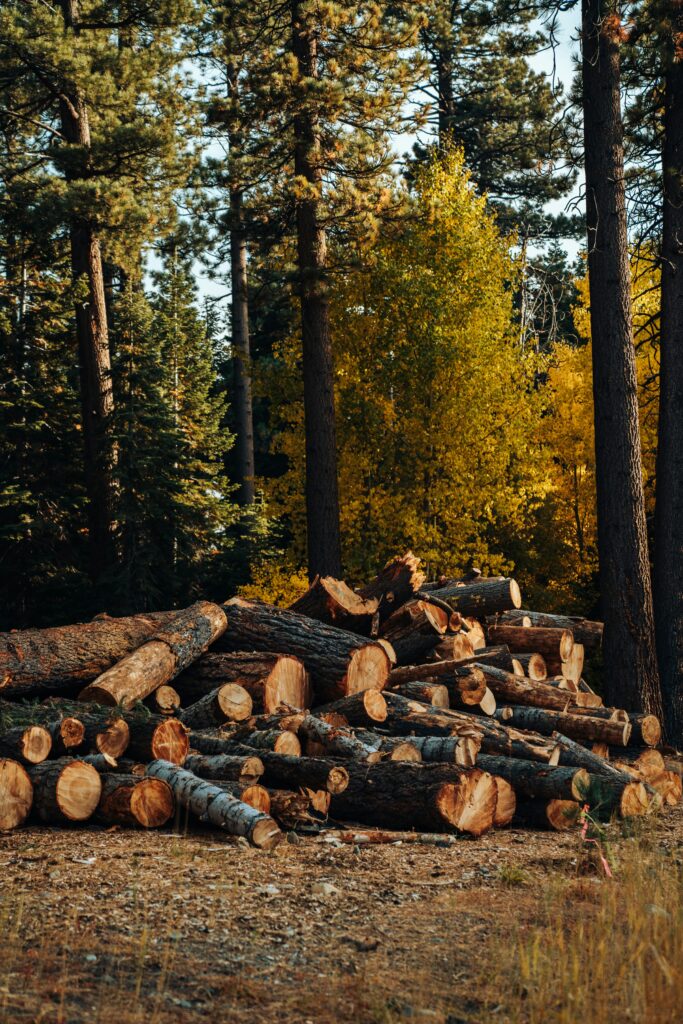
One of the biggest challenges you might consider is deforestation, primarily driven by agricultural expansion and urban development. Combating this requires both policy-level interventions and community involvement.
Funding and Resources
Adequate funding is essential for any conservation effort. Innovative approaches, such as carbon credits and eco-tourism, offer financial solutions to sustain these initiatives.
Education and Awareness
Often, the local populations are unaware of the benefits of reforestation and wildlife conservation. Education programs can significantly alter this by empowering communities to take active roles in sustainable practices.
Practical Steps You Can Take
Getting Involved
How can you contribute? Volunteer opportunities abound, from local tree-planting events to wildlife monitoring programs.
Sustainable Choices
Making sustainable choices in your daily life, like reducing meat consumption or choosing eco-friendly products, can indirectly support reforestation and wildlife conservation.
Advocacy
Becoming an advocate for environmental policies can have a ripple effect, influencing broader societal change.
| Action | Impact |
|---|---|
| Volunteer | Directly contribute to reforestation and conservation efforts |
| Sustainable Choices | Reduce personal carbon footprint |
| Advocacy | Influence policy and broader social change |
The Future of Reforestation and Wildlife Conservation
Technological Innovations
Advances in technology, such as drone planting and satellite monitoring, are making it easier and more efficient to undertake large-scale reforestation and conservation projects. These technologies allow for precise tracking and management, ensuring higher success rates.
Policy Changes
Governments worldwide are recognizing the importance of integrated environmental policies. Legislative measures aimed at promoting sustainable land use and protecting endangered species are being enacted more frequently.
Global Cooperation
International cooperation is crucial for tackling global environmental issues. Organizations like the United Nations Environment Programme (UNEP) facilitate collaboration between countries, enhancing the effectiveness of reforestation and wildlife conservation initiatives.
Conclusion
Understanding the symbiotic relationship between reforestation and wildlife conservation reveals how interconnected the natural world truly is. By supporting these efforts, whether through volunteering, advocacy, or sustainable living, you become part of a larger movement aimed at preserving the planet for future generations. This harmonious relationship between trees and wildlife is a cornerstone of ecological balance, highlighting the importance of integrated approaches to conservation.