As you navigate through the complexities of modern life, it becomes increasingly clear that the urgency of climate action cannot be overstated. The scientific consensus is alarming: climate change is not a distant threat but a present reality that demands immediate attention. You may have noticed the rising temperatures, erratic weather patterns, and devastating natural disasters that have become more frequent in recent years.
These phenomena are not mere coincidences; they are symptoms of a planet in distress, and your awareness of this urgency is the first step toward meaningful change. Recognizing the immediacy of the climate crisis is essential for mobilizing action. You might feel overwhelmed by the scale of the problem, but understanding that every small effort counts can empower you.
The Intergovernmental Panel on Climate Change (IPCC) has repeatedly warned that we have a limited window to mitigate the worst effects of climate change. This urgency calls for a collective response, where your individual actions can contribute to a larger movement. By acknowledging the gravity of the situation, you position yourself as part of the solution rather than a passive observer.
Key Takeaways
- Climate action is urgent and necessary to address the growing environmental crisis.
- Advocating for policy changes and government action is crucial in driving systemic change.
- Adopting sustainable and eco-friendly lifestyle choices can make a significant impact on reducing carbon footprint.
- Investing in renewable energy and green technology is essential for a sustainable future.
- Supporting and participating in climate activism and awareness campaigns can amplify the call for action.
Advocating for policy changes and government action
Your role in advocating for policy changes and government action is crucial in the fight against climate change. Governments hold significant power to implement regulations and initiatives that can drastically reduce carbon emissions and promote sustainability. By engaging with local representatives, you can voice your concerns and push for policies that prioritize environmental protection.
Whether it’s supporting renewable energy initiatives or advocating for stricter emissions standards, your involvement can influence decision-makers to take climate action seriously. Moreover, participating in public forums and community discussions can amplify your voice. You may find that many people share your concerns, and together, you can create a formidable force for change.
Engaging with grassroots organizations or joining climate advocacy groups can provide you with resources and support to effectively lobby for policy changes. Your efforts can help shift the narrative around climate action, making it a priority for elected officials who may otherwise overlook it. Remember, your advocacy can inspire others to join the cause, creating a ripple effect that extends far beyond your immediate community.
Adopting sustainable and eco-friendly lifestyle choices

In your daily life, adopting sustainable and eco-friendly lifestyle choices can significantly contribute to combating climate change. You have the power to make conscious decisions that reduce your carbon footprint, from the products you buy to the way you travel. Simple changes, such as using reusable bags, reducing single-use plastics, and opting for locally sourced food, can collectively make a substantial impact.
By prioritizing sustainability in your choices, you not only benefit the environment but also inspire those around you to consider their own habits. Additionally, embracing a plant-based diet or reducing meat consumption can be one of the most effective ways to lower your environmental impact. The livestock industry is a major contributor to greenhouse gas emissions, and by making dietary adjustments, you can play a part in reducing this burden.
You might also consider using public transportation, biking, or walking instead of driving whenever possible. These small shifts in your lifestyle not only contribute to a healthier planet but also promote a sense of community and well-being.
Investing in renewable energy and green technology
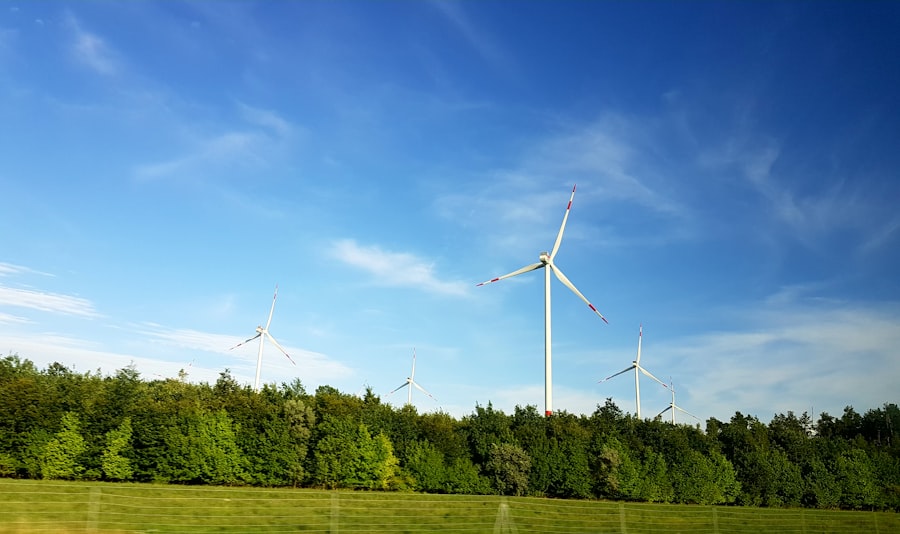
Investing in renewable energy and green technology is another powerful way for you to contribute to climate action. As an individual, you may have the opportunity to support solar panels, wind turbines, or other sustainable energy sources in your home or community. By choosing renewable energy providers or even installing solar panels on your property, you can reduce reliance on fossil fuels and lower your carbon emissions significantly.
This investment not only benefits the environment but can also lead to long-term savings on energy costs. Moreover, supporting companies that prioritize green technology can drive innovation and create a market demand for sustainable solutions. You might consider investing in stocks or funds that focus on renewable energy companies or environmentally responsible businesses.
By aligning your financial choices with your values, you contribute to a shift toward a more sustainable economy. Your investment sends a message that there is a demand for green technology, encouraging further advancements that can help mitigate climate change.
Supporting and participating in climate activism and awareness campaigns
Your involvement in climate activism and awareness campaigns is vital for raising consciousness about the climate crisis. Participating in local events, rallies, or online campaigns can amplify your voice and connect you with like-minded individuals who share your passion for environmental issues. These gatherings serve as platforms for education and mobilization, allowing you to learn from experts while also sharing your own insights and experiences.
Additionally, social media has become an essential tool for spreading awareness about climate issues. By sharing articles, infographics, or personal stories related to climate change on your platforms, you can reach a broader audience and inspire others to take action. Your engagement in these campaigns not only raises awareness but also fosters a sense of community among those who are committed to making a difference.
Remember that every post, every conversation, and every event attended contributes to a larger movement toward climate justice.
Educating others and spreading awareness about the climate crisis
Education plays a pivotal role in addressing the climate crisis, and you have the opportunity to be an educator within your community. By sharing knowledge about climate science, its impacts, and potential solutions, you can empower others to understand the urgency of the situation. Whether through informal discussions with friends or organized workshops in schools or community centers, your efforts can help demystify complex topics related to climate change.
Moreover, consider utilizing various platforms to reach different audiences. You might write articles or blogs that explain climate issues in accessible language or create visual content that highlights key statistics and facts. Engaging with local schools or youth organizations can also be an effective way to inspire younger generations to take action.
By fostering an environment of learning and curiosity about climate issues, you contribute to building a more informed society ready to tackle the challenges ahead.
Holding corporations and industries accountable for their environmental impact
As an individual concerned about climate change, holding corporations and industries accountable for their environmental impact is essential. Many companies contribute significantly to greenhouse gas emissions through their operations and supply chains. By advocating for transparency and sustainability practices within these organizations, you can help push them toward more responsible behaviors.
This might involve supporting initiatives that promote corporate social responsibility or participating in campaigns that call out companies for unsustainable practices. You may also choose to support businesses that prioritize sustainability over profit margins. By consciously purchasing from companies committed to reducing their environmental footprint, you send a clear message about consumer preferences.
Your choices can influence market trends and encourage other businesses to adopt greener practices as they recognize the demand for sustainability among consumers.
Collaborating with local communities and organizations for collective climate action
Collaboration is key when it comes to effective climate action, and working with local communities and organizations can amplify your efforts significantly. By joining forces with environmental groups or community organizations focused on sustainability initiatives, you can pool resources and expertise to tackle local challenges more effectively. Whether it’s organizing tree-planting events, clean-up drives, or educational workshops, collective action fosters a sense of shared responsibility and strengthens community bonds.
Additionally, engaging with local governments or institutions can lead to impactful changes at a larger scale. You might advocate for community-wide sustainability programs or participate in local planning efforts aimed at reducing carbon emissions. By collaborating with others who share your vision for a sustainable future, you create a network of support that enhances your ability to effect change.
Together, you can build resilient communities equipped to face the challenges posed by climate change while fostering a culture of environmental stewardship. In conclusion, as you reflect on these various aspects of climate action, remember that every effort counts—your voice matters, your choices matter, and your actions matter. The urgency of the climate crisis calls for immediate engagement from individuals like yourself who are willing to advocate for change at all levels—from personal lifestyle adjustments to collective community efforts.
By understanding the interconnectedness of these actions and remaining committed to making a difference, you contribute not only to the health of our planet but also to a more sustainable future for generations to come.
If you are interested in taking action to combat climate change, you may also want to check out the article How Does Planting Trees Help the Environment? This article discusses the important role that trees play in mitigating the effects of climate change and offers practical tips on how you can contribute to tree planting efforts. By understanding the benefits of trees for the environment, you can take meaningful steps towards a more sustainable future.
FAQs
What is climate action?
Climate action refers to efforts taken to reduce the impact of human activities on the Earth’s climate system. This includes measures to reduce greenhouse gas emissions, promote renewable energy, and adapt to the effects of climate change.
Why is climate action important?
Climate action is important because human activities, such as burning fossil fuels and deforestation, have led to an increase in greenhouse gas emissions, which is causing global temperatures to rise. This has resulted in more frequent and severe weather events, rising sea levels, and other negative impacts on the environment and human society.
What are some powerful steps to take for climate action?
Some powerful steps to take for climate action include transitioning to renewable energy sources, reducing energy consumption, promoting sustainable transportation, supporting policies that limit greenhouse gas emissions, and advocating for climate action at the local, national, and international levels.
How can individuals take action on climate change?
Individuals can take action on climate change by making changes in their daily lives, such as reducing energy consumption, using public transportation or biking instead of driving, supporting renewable energy initiatives, and advocating for climate-friendly policies.
What are the consequences of not taking action on climate change?
The consequences of not taking action on climate change include more frequent and severe weather events, such as hurricanes and droughts, rising sea levels, loss of biodiversity, food and water shortages, and negative impacts on human health and well-being.