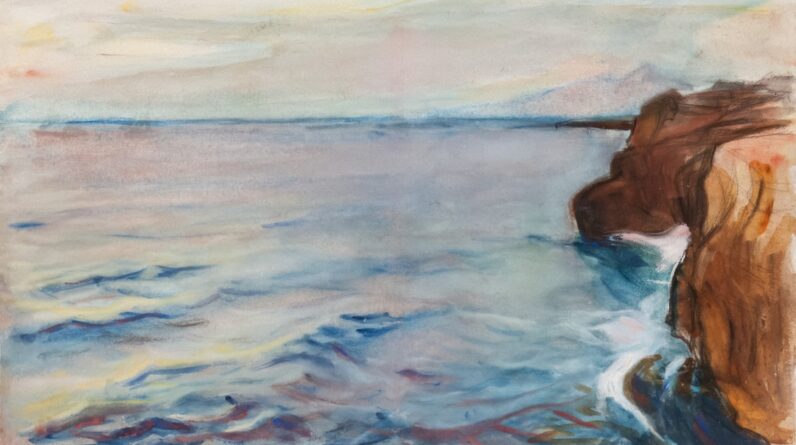
As you gaze out at the vast expanse of the ocean, it’s easy to forget that this magnificent body of water is not just a beautiful backdrop for your summer vacation; it is a vital component of life on Earth. The ocean plays a crucial role in regulating the climate, supporting biodiversity, and providing resources that sustain millions of people. It is often referred to as the lungs of our planet, producing over half of the oxygen we breathe.
However, the health of our oceans is under severe threat from pollution, climate change, and overfishing. Understanding the importance of a healthy ocean is essential for fostering a sense of responsibility and urgency in protecting this invaluable resource. You may wonder how the state of the ocean directly impacts your life.
The truth is, the ocean influences weather patterns, food security, and even your health. As the ocean becomes increasingly compromised, so too does its ability to provide these essential services. The interconnectedness of ocean health and human well-being cannot be overstated.
By recognizing the significance of a healthy ocean, you can become an advocate for its preservation and inspire others to join in this critical cause.
Key Takeaways
- A healthy ocean is crucial for the well-being of the planet and all its inhabitants.
- The oxygen crisis in the ocean is a pressing issue that needs to be understood and addressed.
- Artists play a vital role in raising awareness about environmental issues, including the oxygen crisis in the ocean.
- Art serves as a powerful tool for advocating for environmental change and inspiring action.
- Artists use various mediums to visually depict the impact of the oxygen crisis and advocate for ocean health.
The Oxygen Crisis: Understanding the Problem
The oxygen crisis is a pressing issue that often goes unnoticed in discussions about environmental degradation. You might be surprised to learn that marine plants, particularly phytoplankton, are responsible for producing a significant portion of the Earth’s oxygen supply. These microscopic organisms thrive in healthy ocean ecosystems, but they are increasingly threatened by pollution, warming waters, and acidification.
As you consider the implications of this crisis, it becomes clear that the health of our oceans directly correlates with the air you breathe. The decline in phytoplankton populations can lead to a domino effect on marine life and ecosystems. As these organisms struggle to survive, the entire food web is disrupted, affecting everything from small fish to large marine mammals.
You may not realize it, but your dietary choices and lifestyle can contribute to this crisis. By understanding the factors that lead to the decline of ocean health, you can make informed decisions that support sustainable practices and advocate for policies that protect marine environments.
The Role of Artists in Raising Awareness
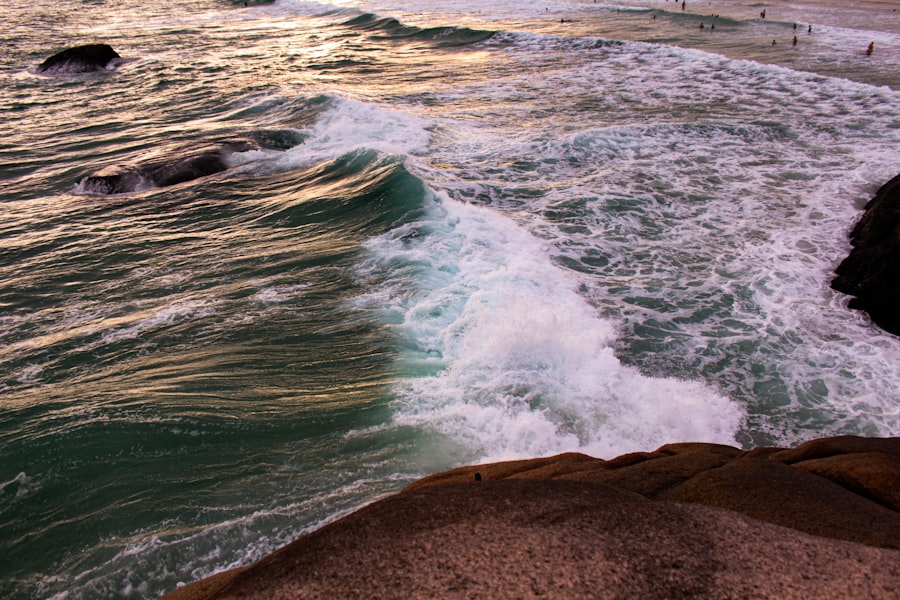
Artists have long been at the forefront of social change, using their creativity to shine a light on pressing issues. In the context of the oxygen crisis and ocean health, artists play a pivotal role in raising awareness and inspiring action. You may find it fascinating how art can transcend language barriers and communicate complex ideas in ways that resonate with diverse audiences.
Through their work, artists can evoke emotions and provoke thought, making environmental issues more relatable and urgent. As you explore the world of environmental art, you will discover that many artists are deeply committed to advocating for ocean health. They use their platforms to educate the public about the challenges facing our oceans and encourage individuals to take action.
By engaging with their work, you can gain a deeper understanding of the issues at hand and feel empowered to contribute to positive change in your community.
Visualizing the Impact: Art as a Tool for Environmental Advocacy
Art has a unique ability to visualize complex issues in ways that statistics and reports often cannot. When you encounter a powerful piece of art depicting the beauty and fragility of marine ecosystems, it can evoke a visceral response that compels you to think critically about your relationship with the ocean. Artists have the power to create visual narratives that highlight the consequences of human actions on marine life, making abstract concepts more tangible and relatable.
Through various artistic mediums—be it painting, sculpture, or digital art—creators can illustrate the stark realities of ocean degradation while also celebrating its beauty. This duality serves as a call to action; it reminds you that while there is much at stake, there is also hope for restoration and healing. By engaging with art that addresses environmental issues, you can become part of a larger movement advocating for change and inspiring others to do the same.
Artists Using Various Mediums to Depict the Oxygen Crisis
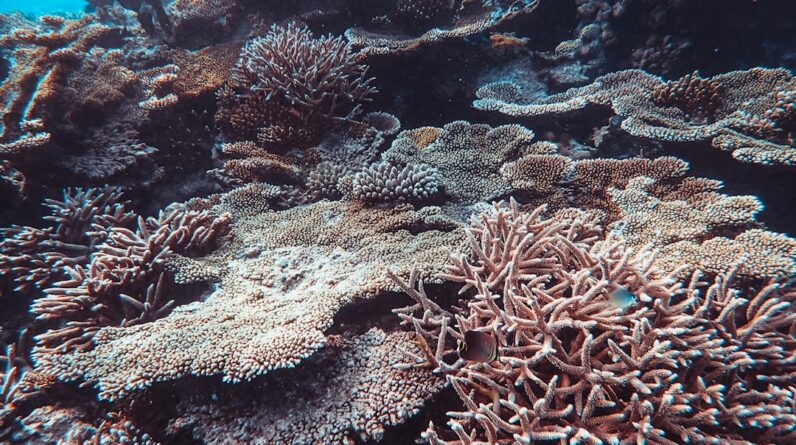
The diversity of artistic mediums allows for a rich exploration of the oxygen crisis and its implications for ocean health. You may encounter artists who use traditional painting techniques to capture the vibrant colors of coral reefs or the delicate forms of marine life. These works serve as both a celebration of nature’s beauty and a stark reminder of what is at risk if we do not take action.
In addition to painting, many artists are turning to innovative mediums such as installation art and mixed media to convey their messages. For instance, you might come across installations made from recycled materials that mimic underwater landscapes or sculptures that incorporate sound elements from marine environments. These immersive experiences invite you to engage with the art on multiple levels, deepening your understanding of the issues at hand while also fostering a sense of connection to the ocean.
Art Exhibitions and Installations Addressing Ocean Health
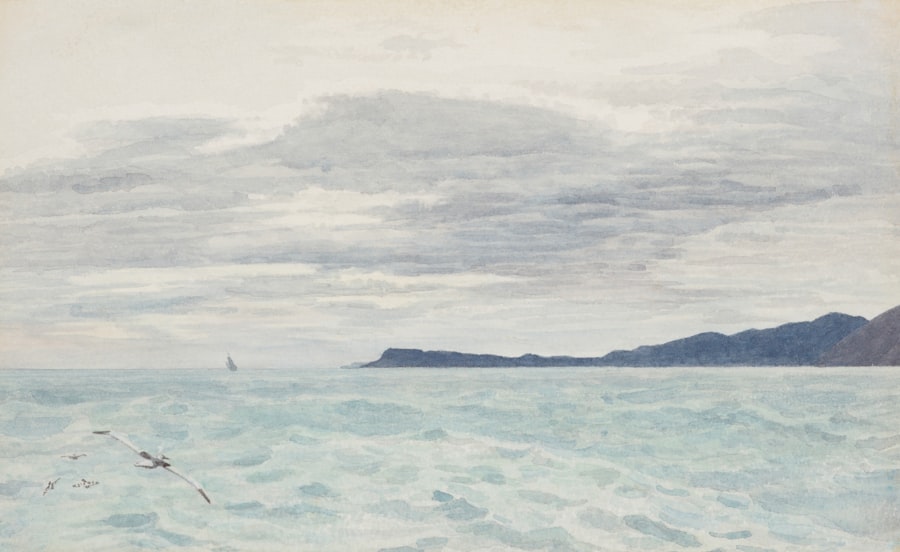
Art exhibitions focused on ocean health have become increasingly popular as more artists seek to raise awareness about environmental issues. You may find yourself drawn to galleries showcasing works that highlight the beauty and fragility of marine ecosystems. These exhibitions often feature a range of artistic styles and mediums, providing a comprehensive view of how artists interpret and respond to the challenges facing our oceans.
In addition to traditional gallery spaces, outdoor installations have gained traction as a way to engage broader audiences. Imagine walking along a beach where large-scale sculptures made from ocean debris are displayed, each piece telling a story about pollution and its impact on marine life. Such installations not only captivate your attention but also serve as powerful reminders of our collective responsibility to protect ocean health.
Collaborations between Artists and Scientists to Communicate the Issue
The intersection of art and science has proven to be an effective way to communicate complex environmental issues like the oxygen crisis. You may be intrigued by how collaborations between artists and scientists can lead to innovative projects that educate the public while also inspiring action. By combining scientific research with artistic expression, these partnerships create compelling narratives that resonate with audiences on both emotional and intellectual levels.
For instance, you might encounter projects where artists work alongside marine biologists to visualize data related to phytoplankton populations or ocean acidification. These collaborations not only enhance public understanding but also foster dialogue between disciplines that are often seen as separate. As you engage with these projects, you can appreciate how art can serve as a bridge between scientific knowledge and public awareness.
The Power of Art to Inspire Action and Change
Ultimately, art has the power to inspire action and change in ways that few other mediums can achieve. When you encounter a piece of art that resonates with your values or experiences, it can ignite a passion for advocacy within you. This emotional connection often leads individuals to take tangible steps toward protecting ocean health—whether through lifestyle changes, community involvement, or supporting conservation initiatives.
As you reflect on your own relationship with art and environmental issues, consider how you can use your voice and creativity to contribute to this important cause. Whether through sharing information on social media, participating in local clean-up efforts, or creating your own art inspired by ocean health, every action counts. By harnessing the power of art as a tool for advocacy, you can join a global movement dedicated to preserving our oceans for future generations.
In conclusion, understanding the importance of a healthy ocean is crucial for fostering awareness about the oxygen crisis and its implications for life on Earth. Artists play an essential role in this narrative by using their creativity to raise awareness and inspire action. Through various mediums and collaborative efforts with scientists, they create compelling visualizations that communicate complex issues in relatable ways.
As you engage with this art, remember that you have the power to make a difference—both through your actions and by supporting those who use their talents to advocate for our planet’s health.
In a related article, How Does Planting Trees Help Climate Change?, the importance of reforestation and its impact on combating climate change is explored. Just as artists are visualizing the oxygen crisis in the ocean, planting trees plays a crucial role in restoring balance to our environment and preserving the health of our planet. Both initiatives highlight the interconnectedness of nature and the creative ways in which individuals can contribute to a healthier world.
FAQs
What is the oxygen crisis in the ocean?
The oxygen crisis in the ocean refers to the decreasing levels of oxygen in marine environments, which can lead to harmful effects on marine life and ecosystems.
How are artists visualizing the oxygen crisis in the ocean?
Artists are using various mediums such as paintings, sculptures, and installations to depict the impact of the oxygen crisis on marine life and to raise awareness about the issue.
What is the purpose of visualizing the oxygen crisis through art?
The purpose of visualizing the oxygen crisis through art is to engage and educate the public about the importance of ocean health and to inspire action to protect and preserve marine ecosystems.
How does art contribute to the conversation about ocean conservation?
Art contributes to the conversation about ocean conservation by evoking emotional responses and sparking meaningful discussions about the impact of human activities on the ocean and the need for sustainable practices.
What are some examples of art projects focused on the oxygen crisis in the ocean?
Examples of art projects focused on the oxygen crisis in the ocean include underwater sculptures, interactive installations, and collaborative initiatives that bring together artists, scientists, and conservationists to address the issue.