When you think about the air you breathe, it’s easy to overlook the vast oceans that play a crucial role in producing the oxygen essential for life on Earth. Approximately 50% to 80% of the oxygen in our atmosphere is generated by oceanic processes, primarily through the activity of microscopic organisms. This staggering statistic highlights the oceans’ significance not just as a habitat for marine life but as a vital component of the global ecosystem.
The health of our planet is intricately linked to the oceans, and understanding their role in oxygen production is fundamental to appreciating their value. The oceans serve as a massive reservoir of biodiversity, teeming with life forms that contribute to the delicate balance of our atmosphere. As you delve deeper into the importance of oceanic oxygen production, you begin to realize that it is not merely a matter of numbers; it is about sustaining life itself.
The intricate web of life in the oceans supports not only marine species but also terrestrial organisms, including humans. The oxygen produced by oceanic processes is essential for respiration, and without it, life as we know it would be impossible. Thus, recognizing the oceans as a critical source of oxygen underscores the need for their protection and preservation.
Key Takeaways
- Oceanic oxygen production is crucial for supporting marine life and regulating the Earth’s climate.
- Phytoplankton play a significant role in oceanic oxygen production through photosynthesis, converting carbon dioxide into oxygen.
- Coral reefs also contribute to oxygen production through photosynthesis and provide habitat for diverse marine life.
- Oceanic oxygen production directly impacts the health and survival of marine organisms, including fish and other species.
- Oceanic oxygen production is closely linked to climate regulation, as it influences the balance of greenhouse gases in the atmosphere.
How Phytoplankton Contribute to Oxygen Production
Phytoplankton are often referred to as the “lungs of the ocean,” and for good reason. These microscopic plants, which float on the surface of the water, are responsible for a significant portion of the oxygen produced in our atmosphere. Through the process of photosynthesis, phytoplankton convert sunlight and carbon dioxide into energy, releasing oxygen as a byproduct.
This process not only sustains their own life but also contributes to the overall health of the planet. When you consider that these tiny organisms can produce up to half of the world’s oxygen supply, their importance becomes abundantly clear. As you explore the world of phytoplankton, you may find it fascinating that they thrive in various marine environments, from coastal waters to the open ocean.
Their abundance is influenced by factors such as nutrient availability, light penetration, and water temperature. This means that changes in ocean conditions can have a direct impact on phytoplankton populations and, consequently, on global oxygen levels. Understanding this relationship is crucial for recognizing how human activities, such as pollution and climate change, can disrupt these delicate ecosystems and threaten the very oxygen we depend on.
The Role of Coral Reefs in Oxygen Production

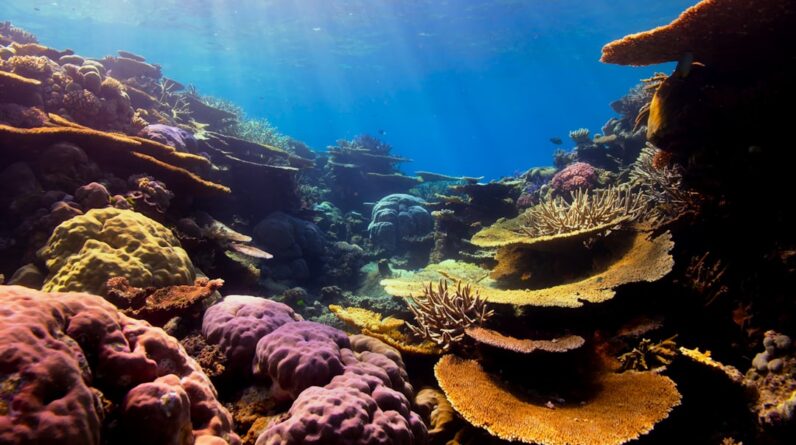
Coral reefs are often celebrated for their stunning beauty and biodiversity, but they also play a vital role in oxygen production within marine ecosystems. While corals themselves are not directly responsible for producing oxygen, they provide a habitat for various organisms, including algae known as zooxanthellae. These algae live symbiotically within coral tissues and perform photosynthesis, contributing to oxygen production in the surrounding waters.
As you consider the interconnectedness of marine life, it becomes evident that coral reefs are essential not only for their aesthetic value but also for their contribution to global oxygen levels. Moreover, coral reefs act as nurseries for countless marine species, supporting biodiversity and enhancing ecosystem resilience. The health of coral reefs is directly linked to their ability to produce oxygen and support marine life.
When you think about the potential loss of these ecosystems due to climate change and human activities, it becomes clear that protecting coral reefs is not just about preserving beauty; it’s about safeguarding a critical component of our planet’s oxygen production system. The decline of coral reefs could have far-reaching consequences for both marine life and atmospheric health.
The Impact of Oceanic Oxygen Production on Marine Life
The relationship between oceanic oxygen production and marine life is profound and multifaceted. As you explore this connection, you’ll discover that oxygen is not merely a byproduct of photosynthesis; it is a fundamental requirement for most marine organisms. Fish, invertebrates, and other aquatic creatures rely on dissolved oxygen in the water for survival.
The availability of oxygen influences species distribution, behavior, and overall ecosystem health. When you consider how vital this element is to marine life, it becomes clear that any disruption in oxygen levels can have cascading effects throughout the food web. In addition to supporting individual species, oceanic oxygen production plays a crucial role in maintaining biodiversity within marine ecosystems.
Healthy levels of dissolved oxygen promote vibrant communities of organisms, from plankton to large predators. When you observe a thriving coral reef or a bustling kelp forest, you are witnessing the result of balanced oxygen levels that support diverse life forms. Conversely, areas with low oxygen levels—often referred to as “dead zones”—can lead to mass die-offs and reduced biodiversity.
Understanding this dynamic highlights the importance of maintaining healthy oceanic oxygen production systems to ensure the survival of marine life.
The Connection Between Oceanic Oxygen Production and Climate Regulation
The oceans are not only vital for producing oxygen; they also play a significant role in regulating the Earth’s climate. As you delve into this connection, you’ll find that oceanic processes help absorb carbon dioxide from the atmosphere, mitigating the effects of climate change. Phytoplankton contribute to this process by sequestering carbon during photosynthesis, effectively acting as a natural carbon sink.
This interplay between oxygen production and climate regulation underscores the importance of healthy ocean ecosystems in combating global warming. Furthermore, oceanic oxygen production influences weather patterns and climate systems around the world. The exchange of gases between the ocean and atmosphere affects temperature regulation and precipitation patterns.
When you consider how interconnected these systems are, it becomes evident that protecting oceanic oxygen production is not just an environmental issue; it is a matter of global significance. By safeguarding our oceans, you are also contributing to climate stability and resilience against extreme weather events.
Threats to Oceanic Oxygen Production

Despite its critical importance, oceanic oxygen production faces numerous threats that jeopardize its sustainability. One major concern is nutrient pollution from agricultural runoff and industrial waste. When excess nutrients enter the ocean, they can lead to algal blooms that deplete oxygen levels in surrounding waters—a phenomenon known as eutrophication.
As you reflect on this issue, consider how human activities can inadvertently disrupt natural processes that have evolved over millennia. Climate change poses another significant threat to oceanic oxygen production. Rising sea temperatures can alter phytoplankton populations and distribution patterns, affecting their ability to produce oxygen efficiently.
Additionally, ocean acidification—resulting from increased carbon dioxide absorption—can harm marine organisms that contribute to oxygen production, such as corals and shellfish. As you contemplate these challenges, it becomes clear that addressing climate change is essential for preserving oceanic ecosystems and their vital role in oxygen generation.
The Importance of Preserving Oceanic Oxygen Production
Preserving oceanic oxygen production is not just an environmental imperative; it is essential for human survival and well-being. As you consider the myriad benefits provided by healthy oceans—clean air, stable climates, and abundant marine life—it becomes evident that protecting these ecosystems should be a priority for individuals and communities alike. By fostering awareness about the importance of oceanic oxygen production, you can inspire action toward conservation efforts that benefit both marine environments and humanity.
Moreover, preserving oceanic oxygen production contributes to global food security and economic stability. Healthy oceans support fisheries that provide livelihoods for millions around the world. When you recognize the interconnectedness between ocean health and human prosperity, it becomes clear that safeguarding these ecosystems is not merely an altruistic endeavor; it is a pragmatic approach to ensuring a sustainable future for generations to come.
How Individuals Can Support Oceanic Oxygen Production
As an individual, there are numerous ways you can contribute to supporting oceanic oxygen production and promoting healthier marine ecosystems. One effective approach is to reduce your carbon footprint by adopting sustainable practices in your daily life. This can include using public transportation, reducing energy consumption at home, or supporting renewable energy initiatives.
By minimizing your impact on climate change, you are indirectly helping preserve the delicate balance necessary for optimal oceanic oxygen production. Additionally, advocating for policies that protect marine environments can amplify your efforts on a larger scale. Engaging with local conservation organizations or participating in beach clean-ups can make a tangible difference in preserving coastal ecosystems that contribute to oxygen generation.
Educating yourself and others about the importance of ocean health fosters a culture of stewardship that encourages collective action toward protecting these vital resources. In conclusion, understanding the importance of oceanic oxygen production reveals its profound impact on life on Earth—from sustaining marine ecosystems to regulating our climate. By recognizing how phytoplankton and coral reefs contribute to this process and acknowledging the threats they face, you can appreciate why preserving these systems is crucial for our future.
Through individual actions and collective advocacy, you have the power to support oceanic oxygen production and ensure a healthier planet for generations to come.
Planting trees is crucial for the environment as they play a significant role in oxygen production, similar to the ocean. In fact, trees are often referred to as the “lungs of the Earth” due to their ability to absorb carbon dioxide and release oxygen through photosynthesis. This process not only helps to combat climate change but also provides a vital lifeline for all life on Earth. To learn more about how planting trees can benefit the environment, check out this article on how planting trees help the environment.
FAQs
What is the importance of the ocean’s oxygen production?
The ocean’s oxygen production is crucial for all life on Earth as it is responsible for producing over 50% of the world’s oxygen. This oxygen is essential for the survival of marine life and also plays a vital role in maintaining the balance of oxygen in the Earth’s atmosphere.
How does the ocean produce oxygen?
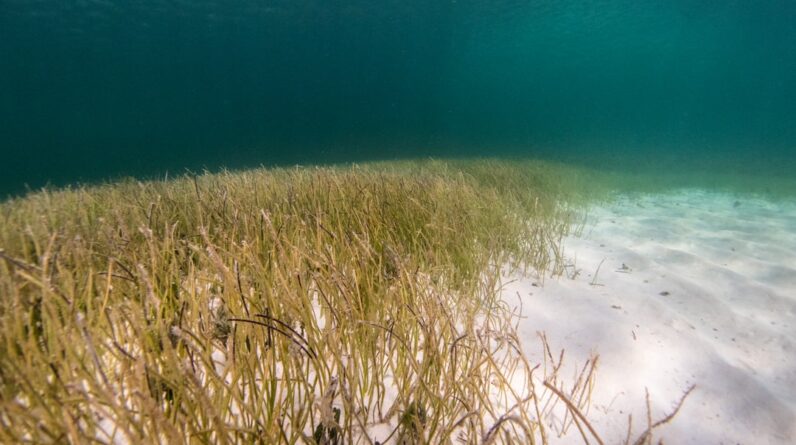
The ocean produces oxygen through a process called photosynthesis, which is primarily carried out by phytoplankton, seaweed, and other marine plants. These organisms use sunlight, carbon dioxide, and water to produce oxygen as a byproduct.
What are the main contributors to the ocean’s oxygen production?
Phytoplankton are the primary contributors to the ocean’s oxygen production, accounting for the majority of oxygen produced. Other contributors include seaweed, algae, and marine plants.
How does the ocean’s oxygen production impact terrestrial life?
The oxygen produced by the ocean is essential for terrestrial life as it contributes significantly to the Earth’s overall oxygen supply. Without the ocean’s oxygen production, the balance of oxygen in the atmosphere would be disrupted, impacting all forms of life on Earth.
What are the threats to the ocean’s oxygen production?
Climate change, ocean acidification, pollution, and overfishing are some of the main threats to the ocean’s oxygen production. These factors can disrupt the balance of marine ecosystems, leading to a decline in oxygen production.