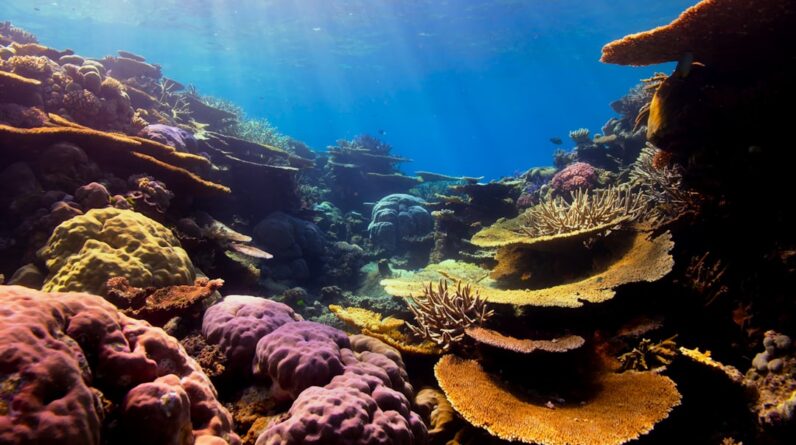
Biodiversity, the variety of life on Earth, encompasses the myriad of species, ecosystems, and genetic variations that exist within our planet’s biosphere. It is a term that captures the intricate web of life, from the smallest microorganisms to the largest mammals, and includes the diverse ecosystems they inhabit. Understanding biodiversity is crucial because it underpins the health of our planet and the well-being of all living organisms, including humans.
You may not realize it, but every time you breathe, eat, or drink, you are directly benefiting from the rich tapestry of life that surrounds you. The importance of biodiversity extends beyond mere aesthetics; it plays a vital role in maintaining ecological balance and resilience. Healthy ecosystems provide essential services such as clean air and water, pollination of crops, and regulation of climate.
When you consider the interconnectedness of life forms, it becomes clear that the loss of even a single species can have cascading effects on entire ecosystems. Thus, preserving biodiversity is not just an environmental concern; it is a fundamental aspect of ensuring a sustainable future for all living beings.
Key Takeaways
- Biodiversity is the variety of life on Earth and is essential for the health and stability of ecosystems.
- Climate change is causing shifts in biodiversity, leading to changes in species distribution and extinction risks.
- Biodiversity provides important ecosystem services such as pollination, water purification, and carbon sequestration.
- Biodiversity is crucial for food security as it provides genetic resources for crop improvement and resilience to environmental changes.
- Protecting and restoring biodiversity can help mitigate climate change by preserving carbon sinks and promoting ecosystem resilience.
Impact of Climate Change on Biodiversity
Climate change poses one of the most significant threats to biodiversity today. As global temperatures rise due to human activities, many species find their habitats altered or destroyed. You may notice that certain plants and animals are migrating to new areas in search of suitable conditions, while others struggle to adapt or face extinction.
This shift can disrupt established ecosystems and lead to a loss of species that are unable to cope with the rapid changes in their environment. Moreover, climate change exacerbates existing threats to biodiversity, such as habitat destruction and pollution. For instance, rising sea levels threaten coastal ecosystems like mangroves and coral reefs, which are crucial for many marine species.
As you reflect on these changes, consider how they impact not only wildlife but also human communities that rely on these ecosystems for their livelihoods. The intricate balance of nature is being tested, and the consequences could be dire if we do not take action to mitigate climate change.
Ecosystem Services Provided by Biodiversity

Biodiversity is essential for providing ecosystem services that sustain life on Earth. These services can be categorized into four main types: provisioning, regulating, cultural, and supporting services. Provisioning services include the resources we obtain from nature, such as food, fresh water, and raw materials.
When you enjoy a meal or drink a glass of water, you are directly benefiting from the diverse species and ecosystems that contribute to these resources. Regulating services involve the natural processes that maintain environmental balance, such as climate regulation, flood control, and disease regulation. For example, forests play a crucial role in carbon sequestration, helping to mitigate climate change by absorbing carbon dioxide from the atmosphere.
Cultural services encompass the non-material benefits people derive from nature, including recreational opportunities and spiritual enrichment. As you engage with nature—whether through hiking in a forest or visiting a national park—you are experiencing the cultural value that biodiversity provides. Supporting services, such as nutrient cycling and soil formation, are fundamental processes that enable ecosystems to function effectively.
Without these services, life as you know it would be unsustainable.
Importance of Biodiversity for Food Security
Biodiversity is intricately linked to food security, which is essential for human survival and well-being. A diverse range of species contributes to a stable food supply by providing various crops, livestock, and fish. When you think about your diet, consider how many different plants and animals contribute to your meals.
The genetic diversity within these species is equally important; it allows for resilience against pests, diseases, and changing environmental conditions. In recent years, however, agricultural practices have increasingly focused on monocultures—growing a single crop over large areas—which can lead to vulnerabilities in food systems. If a disease were to strike a monoculture crop, it could devastate food supplies and threaten livelihoods.
By promoting agricultural biodiversity through crop rotation and the preservation of heirloom varieties, you can help ensure a more resilient food system that can withstand challenges posed by climate change and other stressors.
Biodiversity and Climate Change Mitigation
Biodiversity plays a critical role in climate change mitigation efforts. Healthy ecosystems act as carbon sinks, absorbing carbon dioxide from the atmosphere and helping to regulate global temperatures. Forests, wetlands, and oceans are particularly effective at sequestering carbon; when these ecosystems are intact and thriving, they contribute significantly to reducing greenhouse gas concentrations.
You may not realize it, but every time you support conservation efforts or choose sustainable products, you are contributing to these vital processes. Furthermore, preserving biodiversity enhances ecosystem resilience—the ability of ecosystems to recover from disturbances such as extreme weather events or human-induced changes. Diverse ecosystems are better equipped to adapt to changing conditions because they contain a wider range of species with varying traits and functions.
By protecting biodiversity, you are not only safeguarding the natural world but also bolstering our collective capacity to combat climate change effectively.
Threats to Biodiversity in a Warming World

As global temperatures continue to rise, various threats to biodiversity become increasingly pronounced. Habitat loss remains one of the most pressing issues; as you witness urbanization and deforestation encroaching on natural landscapes, consider how these actions fragment habitats and isolate species populations. This fragmentation can lead to decreased genetic diversity and increased vulnerability to extinction.
In addition to habitat loss, invasive species pose a significant threat in a warming world. As climates shift, non-native species may thrive in new environments at the expense of local flora and fauna. These invaders can outcompete native species for resources or introduce diseases that decimate populations.
Pollution also continues to threaten biodiversity; chemicals released into ecosystems can disrupt reproductive systems in wildlife and lead to declines in species populations. As you reflect on these challenges, it becomes evident that urgent action is needed to address the multifaceted threats facing biodiversity today.
Conservation Efforts to Protect Biodiversity
Conservation efforts are essential for protecting biodiversity and ensuring the survival of countless species. Various strategies are employed worldwide to safeguard habitats and promote sustainable practices. Protected areas such as national parks and wildlife reserves play a crucial role in preserving ecosystems and providing refuge for endangered species.
When you visit these areas, you contribute to their conservation by supporting ecotourism initiatives that prioritize environmental stewardship. In addition to establishing protected areas, community-based conservation programs empower local populations to engage in sustainable resource management practices. By involving communities in conservation efforts, you help foster a sense of ownership over natural resources while promoting traditional knowledge that has been passed down through generations.
These initiatives often lead to successful outcomes in preserving biodiversity while improving local livelihoods.
The Role of Individuals in Preserving Biodiversity
As an individual, your actions can significantly impact biodiversity preservation efforts. You have the power to make choices that support sustainable practices in your daily life. For instance, opting for locally sourced foods reduces the carbon footprint associated with transportation while supporting local farmers who practice sustainable agriculture.
Additionally, reducing waste by recycling and composting helps minimize pollution and its effects on ecosystems. Moreover, raising awareness about biodiversity issues within your community can inspire others to take action as well. Engaging in volunteer opportunities with local conservation organizations or participating in citizen science projects allows you to contribute directly to biodiversity research and protection efforts.
Every small action counts; by making conscious choices and advocating for biodiversity preservation, you play an integral role in ensuring a healthier planet for future generations. In conclusion, biodiversity is not merely an abstract concept; it is the foundation upon which life thrives on Earth. Its importance cannot be overstated as it provides essential ecosystem services, supports food security, and plays a critical role in climate change mitigation efforts.
However, threats such as climate change and habitat loss continue to challenge our planet’s rich diversity of life. By understanding these issues and taking action—both individually and collectively—you can contribute to preserving biodiversity for generations to come. Your choices matter; embrace your role as a steward of the environment and help protect the intricate web of life that sustains us all.
In a warming world, the importance of biodiversity cannot be overstated. As highlighted in a related article on Biodiversity Reservoir by Having Healthy Forest, healthy forests play a crucial role in maintaining biodiversity and mitigating the impacts of climate change. However, there is a concern that increased tree planting, as discussed in another article on Increased Tree Planting Will Unbalance the World’s Ecosystems, may lead to unintended consequences and disrupt existing ecosystems. It is essential to strike a balance and approach tree planting initiatives thoughtfully, as outlined in the article on Combatting Global Warming by Massive Tree Planting, to ensure that biodiversity is preserved while effectively combating global warming.
FAQs
What is biodiversity?
Biodiversity refers to the variety of life on Earth, including the different species of plants, animals, and microorganisms, the genetic diversity within these species, and the ecosystems they form.
Why is biodiversity important in a warming world?
Biodiversity is important in a warming world because it provides resilience to ecosystems and helps them adapt to changing environmental conditions. It also plays a crucial role in providing ecosystem services such as pollination, water purification, and carbon sequestration, which are essential for human well-being.
How does biodiversity help mitigate the impacts of climate change?
Biodiverse ecosystems are better able to sequester carbon, regulate water flow, and provide habitat for a wide range of species, all of which help mitigate the impacts of climate change. Additionally, diverse ecosystems are more resilient to extreme weather events and other climate-related disturbances.
What are the threats to biodiversity in a warming world?
The main threats to biodiversity in a warming world include habitat loss, overexploitation of natural resources, pollution, invasive species, and climate change itself. These threats can lead to the loss of species and genetic diversity, as well as the degradation of ecosystems.
What can be done to protect biodiversity in a warming world?
To protect biodiversity in a warming world, it is important to conserve and restore natural habitats, reduce greenhouse gas emissions, promote sustainable resource management, and address other drivers of biodiversity loss. Additionally, efforts to increase public awareness and support for biodiversity conservation are crucial.