As you navigate through the complexities of climate change, you may find yourself confronted with a phenomenon known as the climate domino effect. This term encapsulates the cascading consequences that arise from initial changes in the climate system, where one event triggers a series of subsequent reactions. Imagine a line of dominoes; when one falls, it inevitably leads to the next, creating a chain reaction that can have far-reaching implications.
Understanding this effect is crucial for grasping the urgency of climate action and the interconnectedness of various environmental issues. The climate domino effect illustrates how seemingly isolated events can lead to widespread environmental shifts. For instance, the melting of polar ice caps not only contributes to rising sea levels but also affects global weather patterns and ecosystems.
As you delve deeper into this topic, you will uncover how human activities, particularly the emission of greenhouse gases, play a pivotal role in initiating these changes. Recognizing the interconnected nature of these issues is essential for developing effective strategies to combat climate change and mitigate its impacts.
Key Takeaways
- The climate domino effect refers to the interconnected and cascading impacts of climate change on various natural systems.
- Greenhouse gases, such as carbon dioxide and methane, trap heat in the Earth’s atmosphere and contribute to global warming.
- Feedback loops, such as the melting of ice caps and the release of methane from permafrost, can amplify the effects of climate change.
- Melting ice caps contribute to rising sea levels and can disrupt weather patterns, leading to more frequent and severe extreme weather events.
- Deforestation contributes to climate change by reducing the Earth’s capacity to absorb carbon dioxide and disrupting ecosystems.
- Ocean acidification, caused by the absorption of carbon dioxide, can harm marine life and disrupt ocean ecosystems.
- Extreme weather events, such as hurricanes and heatwaves, are linked to climate change and are expected to become more frequent and severe.
- Mitigation strategies for addressing the climate domino effect include reducing greenhouse gas emissions, protecting and restoring natural ecosystems, and transitioning to renewable energy sources.
The Role of Greenhouse Gases in Triggering Climate Change
Greenhouse gases (GHGs) are at the heart of climate change, acting as a blanket that traps heat in the Earth’s atmosphere. When you consider the primary culprits—carbon dioxide, methane, and nitrous oxide—you begin to understand how human activities have significantly increased their concentrations since the Industrial Revolution. The burning of fossil fuels for energy, deforestation, and industrial processes release vast amounts of these gases, leading to an enhanced greenhouse effect.
This phenomenon is not just a scientific concept; it has real-world implications that affect your daily life and the environment around you. As GHGs accumulate in the atmosphere, they create a warming effect that disrupts natural climate patterns. You may notice changes in weather conditions, such as more frequent heatwaves or unpredictable rainfall.
These alterations are not merely inconveniences; they can lead to severe consequences for agriculture, water supply, and biodiversity. The urgency to reduce GHG emissions cannot be overstated, as every ton of carbon dioxide released contributes to this escalating crisis. By understanding the role of greenhouse gases, you can better appreciate the need for immediate action to curb their emissions and protect our planet.
Feedback Loops: How Climate Change Amplifies Itself

One of the most alarming aspects of climate change is the presence of feedback loops—processes that can amplify its effects and accelerate its progression. As you explore this concept, consider how certain changes in the environment can lead to further warming. For example, as temperatures rise, polar ice melts, reducing the Earth’s albedo effect—the ability to reflect sunlight back into space.
With less ice, more sunlight is absorbed by the ocean, leading to further warming and more ice melt. This cycle continues, creating a self-perpetuating loop that exacerbates climate change. Another significant feedback loop involves the release of methane from thawing permafrost.
As global temperatures increase, permafrost—frozen ground found in polar regions—begins to thaw, releasing stored methane into the atmosphere. Since methane is a potent greenhouse gas, its release further intensifies global warming. You may find it unsettling to realize that these feedback loops can create tipping points in the climate system, where small changes lead to irreversible consequences.
Understanding these dynamics is crucial for recognizing the urgency of addressing climate change before these feedback mechanisms spiral out of control.
Impact of Melting Ice Caps on Sea Levels and Weather Patterns
The melting of ice caps is one of the most visible indicators of climate change, and its implications are profound. As you observe glaciers retreating and polar ice thinning, consider how these changes contribute to rising sea levels. When ice melts, it adds freshwater to the oceans, causing sea levels to rise and threatening coastal communities worldwide.
You may live in an area vulnerable to flooding or erosion, making it essential to understand how melting ice caps can directly impact your environment and safety. Moreover, the loss of ice caps affects global weather patterns in ways that may not be immediately apparent. The redistribution of water from melting ice alters ocean currents and atmospheric circulation, leading to shifts in weather systems.
You might experience more intense storms or prolonged droughts as a result of these changes. The interconnectedness of these phenomena highlights the importance of addressing climate change holistically; by mitigating ice melt, we can also influence weather patterns and protect vulnerable ecosystems and communities.
Deforestation and its Contribution to Climate Change
Deforestation is another critical factor contributing to climate change that you should be aware of. Forests act as carbon sinks, absorbing carbon dioxide from the atmosphere and storing it in their biomass. When trees are cut down or burned for agriculture or urban development, not only is this carbon storage capacity lost, but the carbon stored in trees is also released back into the atmosphere.
This dual impact exacerbates greenhouse gas concentrations and accelerates climate change. You may not realize that deforestation also disrupts local ecosystems and biodiversity. Forests provide habitat for countless species; their destruction leads to habitat loss and extinction.
Additionally, deforestation can alter local weather patterns by reducing rainfall and increasing temperatures in surrounding areas. As you consider your role in this issue, think about how supporting sustainable practices—such as responsible sourcing of wood products or advocating for reforestation initiatives—can help combat deforestation and its detrimental effects on our planet.
Ocean Acidification and its Effects on Marine Life

As you explore the consequences of climate change further, ocean acidification emerges as a critical issue affecting marine ecosystems. The oceans absorb approximately one-third of carbon dioxide emissions, leading to chemical reactions that lower the pH of seawater. This process has significant implications for marine life, particularly organisms with calcium carbonate shells or skeletons, such as corals and shellfish.
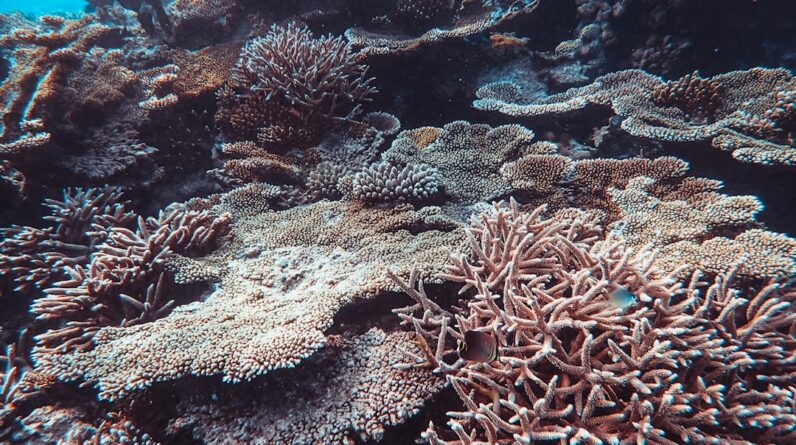
As you consider your connection to the ocean, recognize that these changes can disrupt entire food webs and threaten fisheries that many communities rely on for sustenance. The effects of ocean acidification extend beyond individual species; they can alter entire ecosystems and impact human livelihoods. Coral reefs, often referred to as the “rainforests of the sea,” are particularly vulnerable to acidification.
As corals struggle to build their skeletons in more acidic waters, entire reef systems face degradation. This loss not only affects marine biodiversity but also jeopardizes coastal protection and tourism industries reliant on healthy reefs. By understanding ocean acidification’s far-reaching consequences, you can appreciate the importance of reducing carbon emissions to protect marine ecosystems.
Extreme Weather Events and their Connection to Climate Change
Extreme weather events have become increasingly common in recent years, and their connection to climate change is undeniable. As you witness more frequent hurricanes, wildfires, floods, and heatwaves, consider how rising global temperatures contribute to these phenomena. Warmer air holds more moisture, leading to heavier rainfall during storms and increased flooding risks.
Similarly, higher temperatures create conditions conducive to wildfires, making them more intense and harder to control. These extreme weather events have direct consequences for communities like yours—displacing families, damaging infrastructure, and straining emergency services. The economic costs associated with recovery efforts can be staggering, impacting local economies for years to come.
By recognizing the link between climate change and extreme weather events, you can better understand the urgency of taking action to mitigate its effects and adapt to an increasingly unpredictable climate.
Addressing the Climate Domino Effect: Solutions and Mitigation Strategies
As you reflect on the complexities of the climate domino effect, it becomes clear that addressing this issue requires a multifaceted approach. Solutions must encompass both mitigation strategies—aimed at reducing greenhouse gas emissions—and adaptation measures designed to help communities cope with inevitable changes. You can play a vital role in this effort by advocating for policies that promote renewable energy sources like solar and wind power while supporting initiatives aimed at increasing energy efficiency.
Additionally, consider how individual actions can contribute to broader change. Reducing your carbon footprint through lifestyle choices—such as using public transportation, minimizing waste, or supporting sustainable products—can collectively make a significant impact when adopted by many individuals. Engaging with local organizations focused on environmental conservation or participating in community initiatives can amplify your efforts and foster a sense of collective responsibility.
In conclusion, understanding the climate domino effect is essential for grasping the urgency of addressing climate change. By recognizing how interconnected various environmental issues are—from greenhouse gas emissions to deforestation—you can appreciate the need for comprehensive solutions that encompass both mitigation and adaptation strategies. Your actions matter; by advocating for change and making informed choices in your daily life, you contribute to a collective effort aimed at safeguarding our planet for future generations.
Climate Domino Effect: How One Impact Triggers Another discusses the interconnectedness of various environmental issues and how they can exacerbate each other. A related article that delves deeper into the importance of trees in combating climate change is How Can Trees Save the Earth from Global Warming. This article highlights the crucial role that trees play in sequestering carbon dioxide and mitigating the effects of greenhouse gas emissions. By understanding the significance of trees in the fight against climate change, we can work towards a more sustainable future for our planet.
FAQs
What is the climate domino effect?
The climate domino effect refers to the interconnected and cascading impacts of climate change, where one impact triggers another, creating a chain reaction of environmental, social, and economic consequences.
What are some examples of the climate domino effect?
Examples of the climate domino effect include melting polar ice caps leading to rising sea levels, which in turn can result in coastal flooding and the displacement of communities. Another example is the warming of ocean waters leading to more intense and frequent hurricanes, which can cause widespread destruction and loss of life.
How does the climate domino effect impact ecosystems?
The climate domino effect can disrupt ecosystems by altering temperature and precipitation patterns, leading to changes in plant and animal behavior, shifts in species distributions, and loss of biodiversity. These impacts can have far-reaching consequences for food webs and ecosystem functioning.
What are the social and economic implications of the climate domino effect?
The climate domino effect can have significant social and economic implications, including increased risk of natural disasters, loss of livelihoods in sectors such as agriculture and fishing, and challenges to infrastructure and public health systems. These impacts can disproportionately affect vulnerable communities and exacerbate existing inequalities.
How can we mitigate the climate domino effect?
Mitigating the climate domino effect requires global efforts to reduce greenhouse gas emissions, transition to renewable energy sources, protect and restore natural ecosystems, and build resilience in communities and infrastructure. International cooperation and policy action are essential to address the interconnected nature of climate change impacts.